
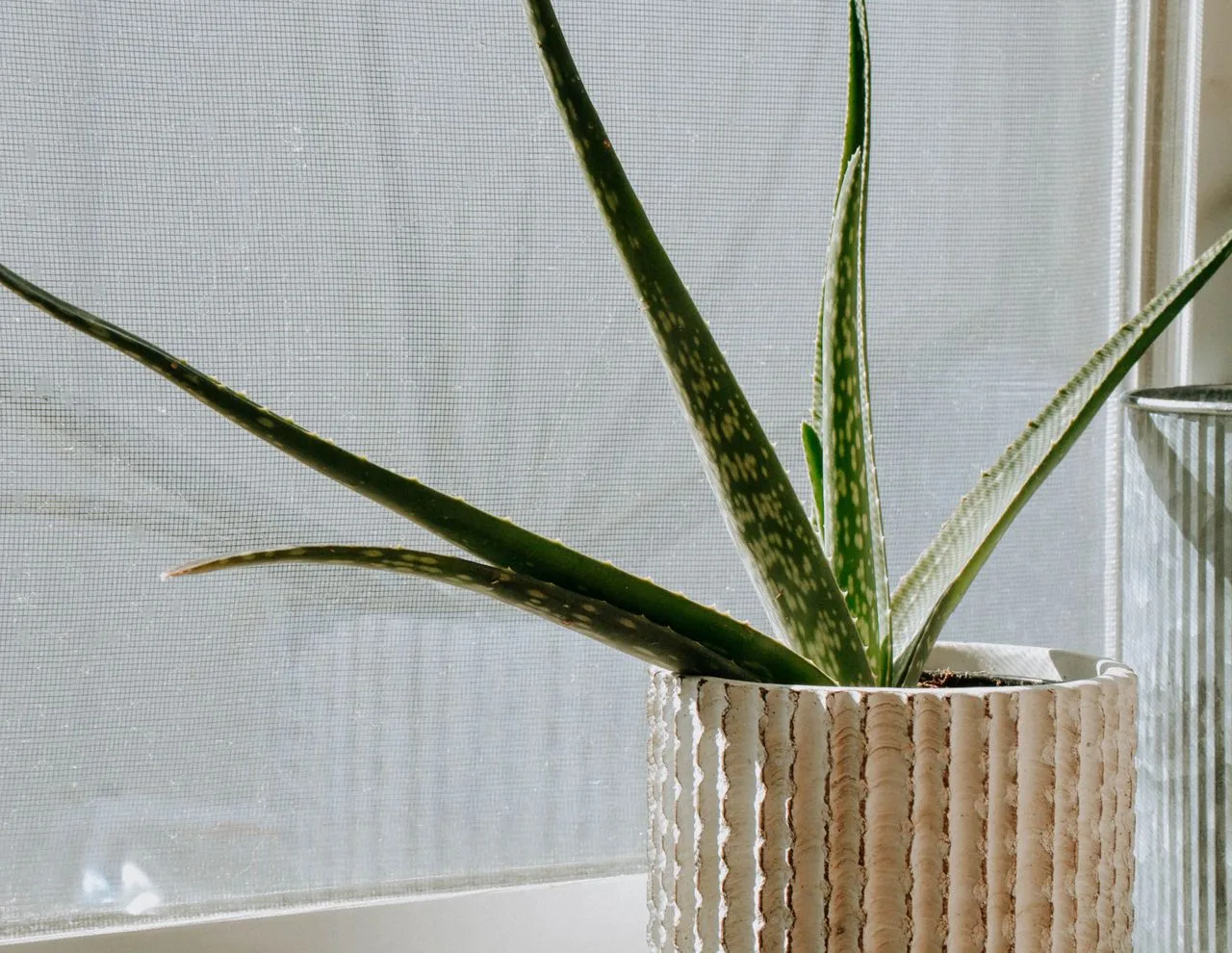
Aloe vera is one of the more forgiving houseplants, as long as we let it behave like the succulent it is. It does not want frequent watering, heavy soil, or a pot kept damp “just in case.” What it wants is plenty of light, air around the roots, and a little peace.
The most common mistake is treating aloe like an ordinary leafy houseplant. We put it somewhere a little too dark, water it on a regular schedule, and then wonder why the leaves become soft, start drooping, or rot near the base.
This is realistic indoor care: a sunny window, dry heated air, slower growth when light levels drop, and a person who does not want one plant pot to become a daily responsibility.
This article is part of our guide to houseplants by light level.
With aloe vera, the main rule is simple: do not overwater it. More light and less water are usually a much better combination than the reverse.
Aloe vera at a glance
| Botanical name | Aloe vera |
|---|---|
| Light | Bright light, ideally close to a sunny window |
| Watering | Infrequent, after the soil has dried thoroughly |
| Humidity | Tolerates dry indoor air well |
| Difficulty | Easy, as long as it is not overwatered |
| Best location | Sunny windowsill, bright kitchen, south- or west-facing window |
| Important | Can be toxic to pets if ingested. Keep it away from cats and dogs that chew on plants. |
Where to place aloe vera
Aloe vera needs plenty of light. It usually does best near a south- or west-facing window where it receives strong light for at least part of the day. Move it too far into the room, especially when daylight is limited, and growth slows. The leaves may stretch, lean, and gradually lose the compact shape that makes a healthy aloe look so good.
Very intense midday sun through glass can scorch a plant that has been living in lower light, so make changes gradually. An aloe that has spent months in a dim corner should not be moved straight onto the hottest windowsill overnight.
Cold windows are another thing to watch. Aloe handles dry air well, but cold, wet soil is a much worse combination. If the pot sits on a chilly sill and is watered frequently, the roots are usually the first part of the plant to suffer.
How to water aloe vera
Watering is where aloe care most often goes wrong. The leaves store water, so the potting mix does not need to remain consistently moist. A better approach is to water thoroughly, let the excess drain away, and then allow the soil to dry before watering again.
When light levels are lower and growth slows, watering should slow down too. If the pot still feels heavy, the soil is damp, or the plant is sitting in a cooler spot, wait.
Soft, limp leaves or translucent tissue near the base often point to too much water. Dry, slightly thinner leaves can indicate thirst, but check the soil first. Panic watering is rarely useful.
Practical note: aloe vera wants light and dry roots between waterings, not constant attention.
Soil and pot
Aloe vera needs two things from its container: water must be able to escape quickly, and the potting mix should not remain wet for days after watering. This is one place where the right pot really does make everyday care easier.
This post may contain affiliate links. As an Amazon Associate, I earn from qualifying purchases.
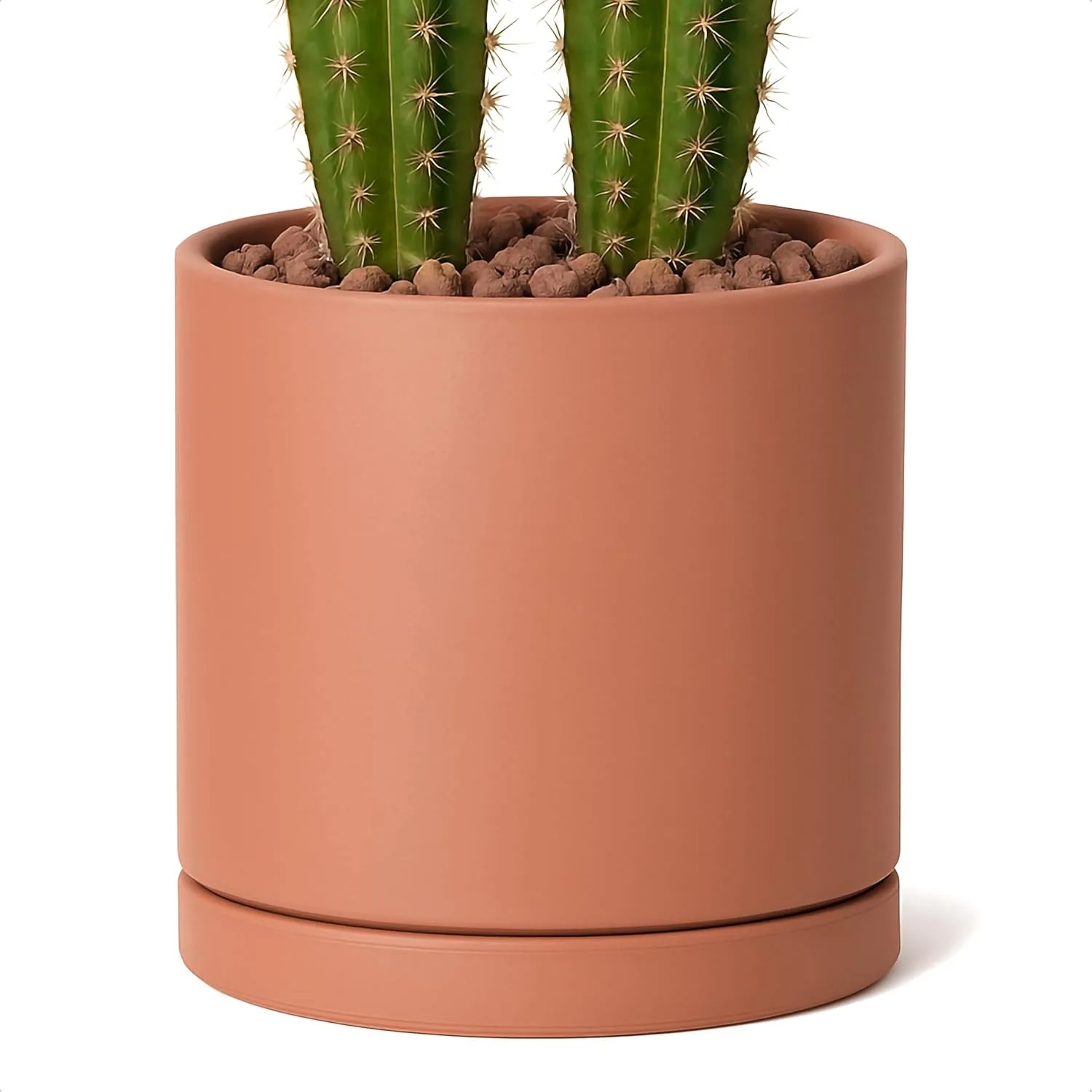
A pot that helps aloe stay on the dry side
Aloe vera is much happier in a container that lets excess water escape instead of holding moisture around the roots. An unglazed terracotta pot is a practical match because the porous material allows the potting mix to dry more readily than it would in many glazed or plastic containers.
This D'vine Dev terracotta pot includes a drainage hole and saucer, making it suitable for a mature aloe placed near a bright window. The important part is still the same: water thoroughly, let excess water drain, and never leave the pot standing in a full saucer.
A light, fast-draining substrate matters just as much. A cactus and succulent soil mix is a more sensible starting point for aloe than a dense general-purpose potting mix that stays wet for a long time.
Do not rush into an oversized container. A small aloe in a large pot can sit in damp soil for far too long, especially when light is weaker and the mix dries more slowly. Choose a stable pot, but not one with several inches of unnecessary soil around the roots.
Humidity and temperature
Aloe vera tolerates dry indoor air much better than most tropical houseplants. That makes it a good fit for homes with central heating or air conditioning. There is no need for a humidifier, and misting the leaves is unnecessary.
Temperature matters more. Aloe does not appreciate cold conditions, especially when the soil is wet. Keep it away from cold drafts, frequently opened doors, and windowsills that become very cold overnight.
Fertilizing and repotting
Aloe vera is not a heavy feeder. During periods of active growth, it can be fertilized lightly, especially when it is receiving good light. Frequent feeding is unnecessary. With succulents, more fertilizer does not automatically mean better growth.
When the plant is barely growing, it usually does not need fertilizer. Feeding will not compensate for poor light, and it certainly will not correct overwatering.
Repotting is easiest during active growth. Repot sooner only if the roots are rotting, the soil is clearly unsuitable, or the current container has no drainage.
Common problems
Soft leaves
Too much water or cold, wet soil is often the cause. Check the roots and stop watering until the potting mix has dried appropriately.
Stretched growth
The plant probably needs more light. Move it closer to a window, but acclimate it gradually to stronger sun.
Brown or dry tips
Possible causes include inconsistent watering, a sudden move into intense sun, or general environmental stress. Check both the location and the soil before changing your routine.
Rot at the base
This is a serious sign of overwatering and poor drainage. Remove the plant from the pot, inspect the roots, and save healthy sections if necessary.
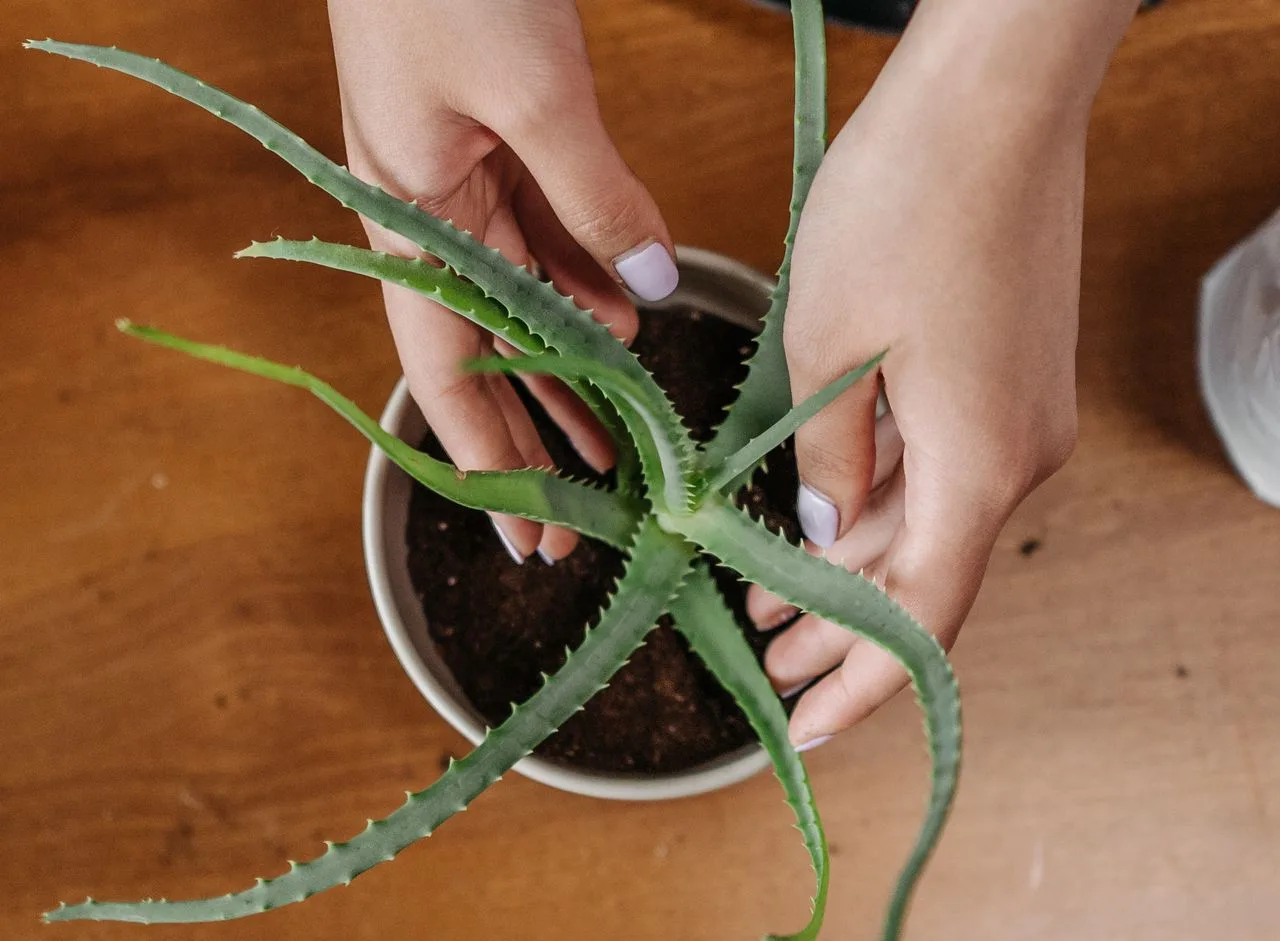
How to propagate aloe vera
Aloe vera is most easily propagated from the offsets, or pups, that develop around the mother plant. Once a pup has its own roots and is large enough to handle, it can be gently separated and planted in a small pot with a light, well-draining mix.
After separating a pup, do not rush to soak the pot. Give the plant time to settle. Propagation is easiest while the plant is actively growing and has enough light to establish new roots.
I would not divide a weak or rotting aloe unless the goal is to save healthy pups. Deal with the underlying problem first; new pots can come later.
Who is aloe vera best for?
Aloe vera is a good choice for anyone with a bright window who does not enjoy watering frequently. It works well in a kitchen, on a sunny windowsill, in a bright home office, or in a dry home with central heating.
It is a poor match for a dark corner, a bathroom without good natural light, or someone who likes watering every week “to be safe.” With aloe, safety comes from light, drainage, and leaving enough time between waterings.