
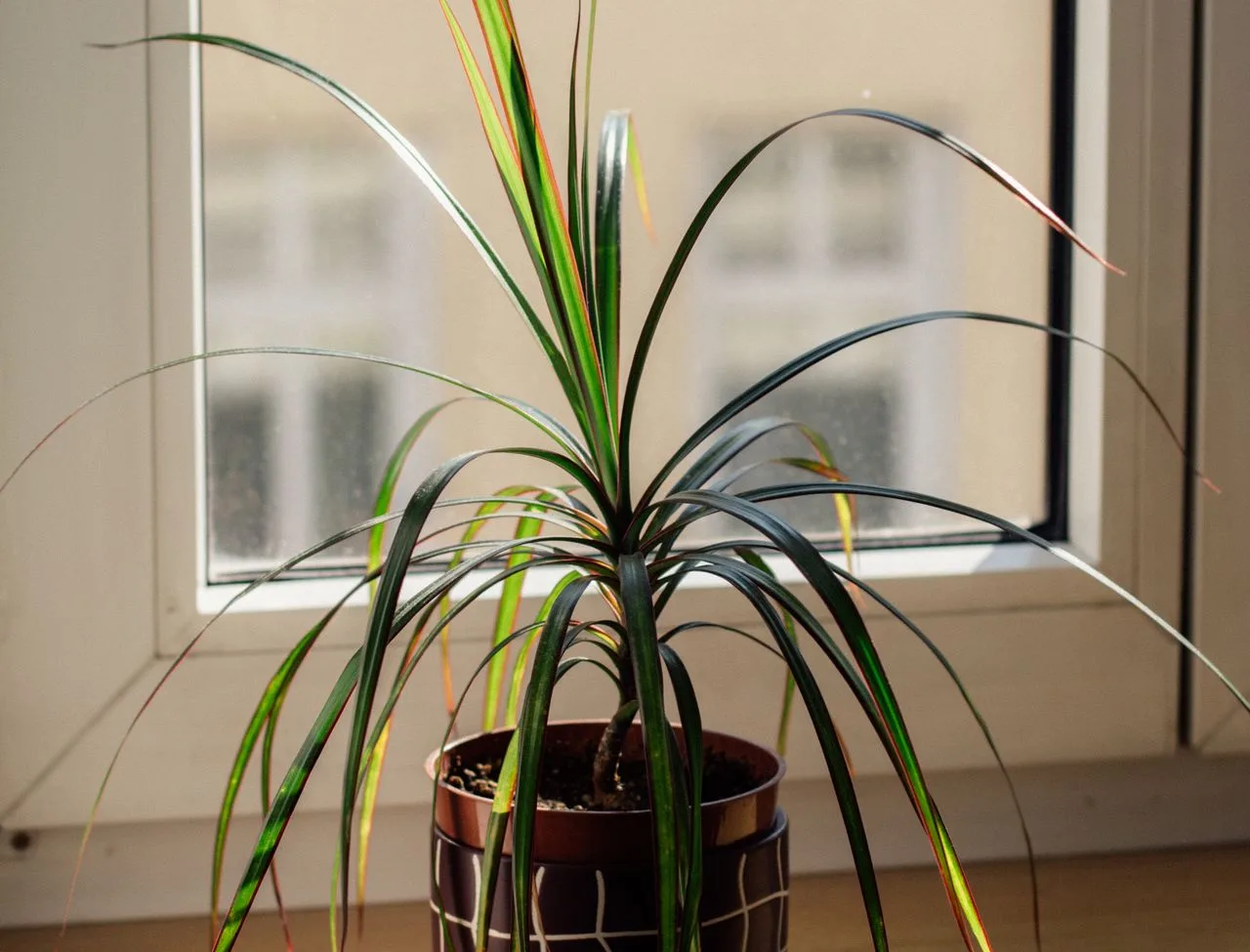
Dracaena is one of those houseplants that seems easy until we put it in the wrong place. Unfortunately, the wrong place is often the most attractive empty corner in the room - the one with too little light, very dry air, or a heating vent nearby.
It is a good plant for homes and offices because its care is not particularly complicated. But there are a few things even a forgiving dracaena will not tolerate forever: overwatering, cold wet soil, and a location that is simply too dark.
This is realistic indoor care - a living room, hallway, home office, heating, air conditioning, changing light through the year, and someone who wants a beautiful plant without adding another daily task.
This article is part of our guide to houseplants by light level.
With dracaena, the main things to avoid are overwatering and a location that is too dark. It looks best with adequate light and fairly restrained care.
Dracaena at a glance
| Botanical name | Dracaena |
|---|---|
| Light | Medium to bright indirect light |
| Watering | Moderate to infrequent, after the upper layer of soil has dried |
| Humidity | Average household humidity is usually fine |
| Difficulty | Easy |
| Best location | Office, living room, hallway, or a bright corner without harsh direct sun |
| Important | Toxic to pets if ingested. Keep it away from cats and dogs that chew on plants. |
Where to place a dracaena
Dracaena does best in medium to bright indirect light. Think of a bright part of the room rather than strong midday sun hitting the leaves directly. Move it too far from the window and growth can slow, while the foliage may become less vibrant.
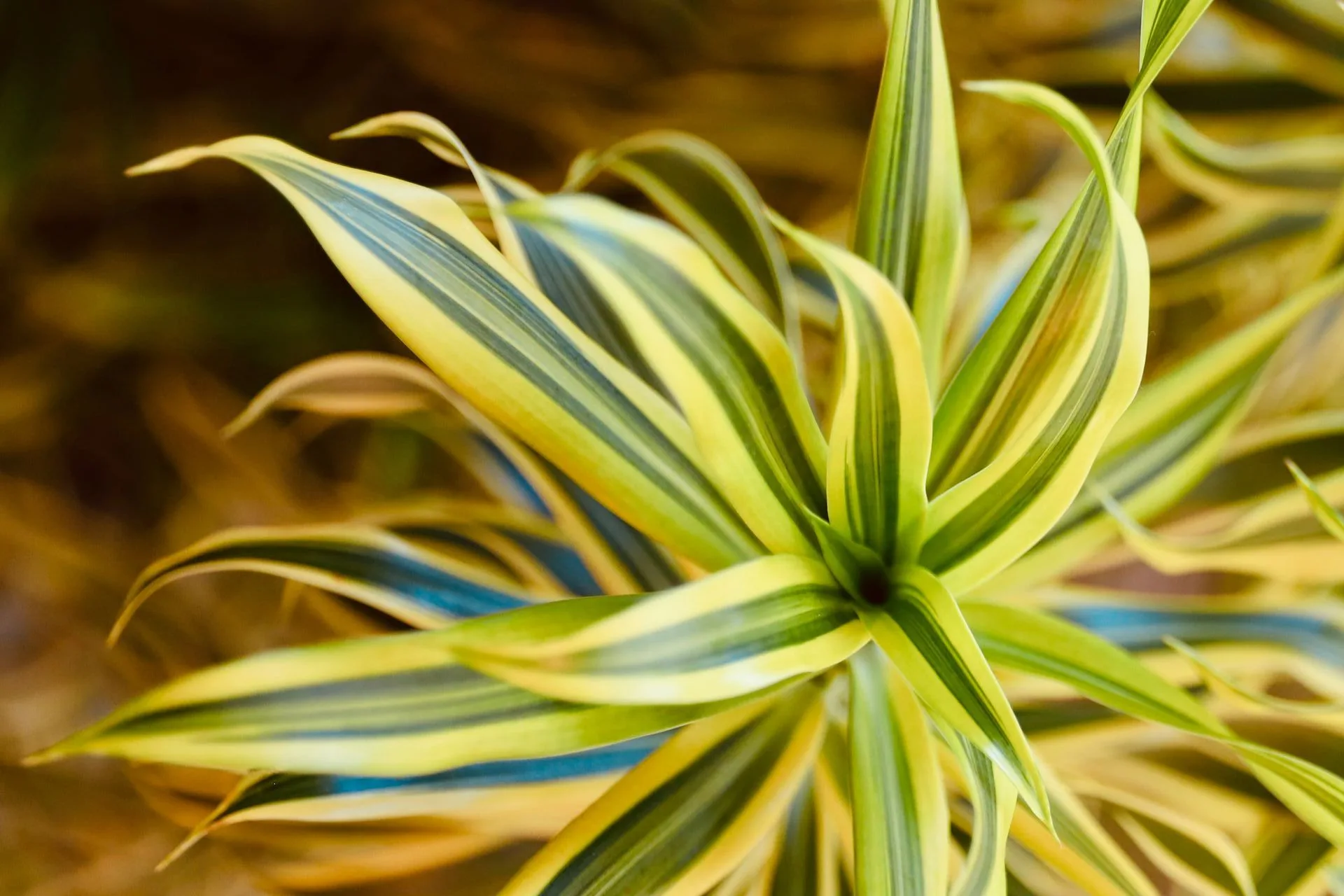
Darker-leaved varieties generally tolerate lower light better. Variegated dracaenas usually need somewhat brighter conditions to keep their leaf color and pattern looking their best.
Be careful with locations next to cold windows, frequently opened doors, radiators, and heating vents. Dracaena does not particularly enjoy environmental extremes. Cold soil, very dry air, and a draft all in the same corner are not a winning combination.
How to water dracaena
Water dracaena according to the soil rather than the calendar. A good time to water is when the upper layer of potting mix has dried. The roots do not benefit from sitting for long periods in heavy, damp soil.
When the plant receives more light and is actively growing, it may use water more quickly. In lower light, the pot dries more slowly, so watering needs to become less frequent. If the container still feels heavy and the soil below the surface is moist, wait.
Water quality is worth paying attention to as well. Repeated brown leaf tips can have several causes, including dry air and irregular watering, but mineral or salt buildup in the potting mix can contribute too.
Practical note: darker-leaved dracaenas are often more tolerant of lower light, but even they are not plants for a windowless dark corner.
This post may contain affiliate links. As an Amazon Associate, I earn from qualifying purchases.
When a large dracaena becomes difficult to move
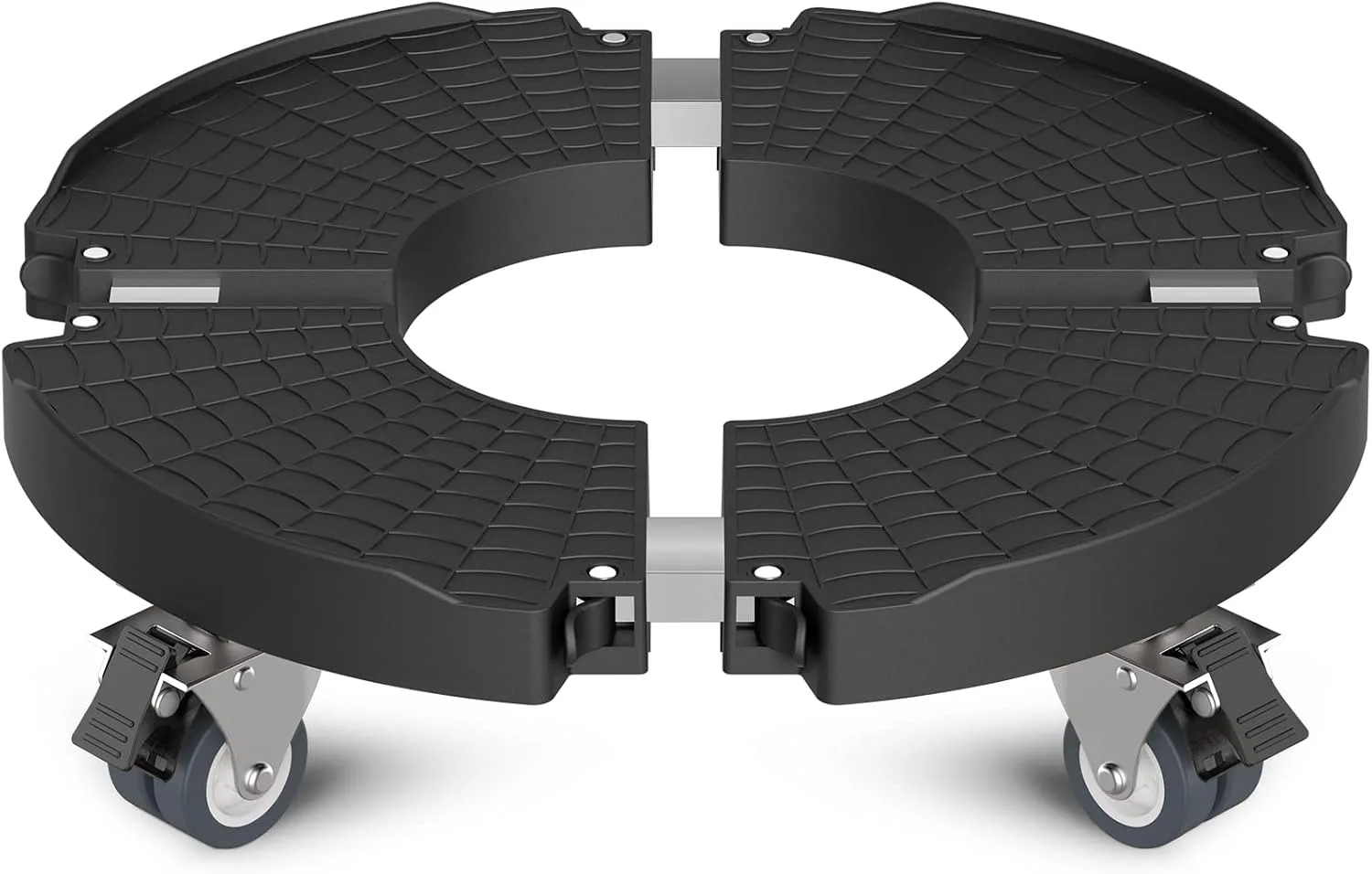
A mature dracaena can become surprisingly awkward once the plant, pot, and wet soil all add up. A rolling plant caddy makes it easier to move a larger container for cleaning, rotate the plant toward the light, or pull it away from a cold window or heating vent.
This adjustable Goovilla plant stand has locking wheels and is designed for larger indoor and outdoor planters. For a tall dracaena, that is much more practical than repeatedly lifting a heavy decorative pot every time the location needs adjusting.
Soil and pot
The safest setup is a pot with a drainage hole and a light, airy potting mix. A decorative cachepot is perfectly fine, but it should not become a reservoir around the inner pot. After watering, check that excess water is not sitting in the saucer or outer container.
A well-draining indoor potting mix is a practical starting point when repotting. Avoid moving a small dracaena into an unnecessarily large container, because the extra volume of soil can remain wet around the roots for much longer.
Humidity and temperature
Dracaena usually manages well in normal household humidity and does not automatically require a humidifier. More important is keeping it away from the most extreme spots in the room - directly beside a radiator, under an air-conditioning vent, or in a strong draft.
Stable temperatures help. Opening a window for fresh air is one thing; leaving cold air blowing directly across the leaves for hours is another. The same applies to a heating or cooling vent aimed continuously at the plant.
Fertilizing and repotting
During active growth, dracaena can be fertilized moderately, especially when it is producing healthy new leaves. Frequent feeding is unnecessary. More fertilizer does not automatically create a healthier plant.
When growth has slowed substantially because light levels are lower, there is little reason to push fertilizer. Feeding does not replace adequate light and will not correct overwatering.
Repotting is usually easiest during active growth. The exceptions are obvious root rot, an unsuitable container, or a plant that was purchased in a potting medium that is causing problems.
Common problems
Yellow leaves
Check the soil first. Yellowing is often related to overwatering, cold wet soil, or a sudden change in growing conditions.
Pale or weak growth
The plant may not be receiving enough light. Move it closer to a window while keeping it out of harsh direct sun.
Brown leaf tips
Possible causes include dry air, inconsistent watering, mineral or salt buildup, and drafts. Check the overall conditions rather than assuming there is only one cause.
Soft stems or roots
This points to wet soil and possible root trouble. Stop watering, inspect the roots if necessary, and allow the potting mix to dry appropriately.
How to propagate dracaena
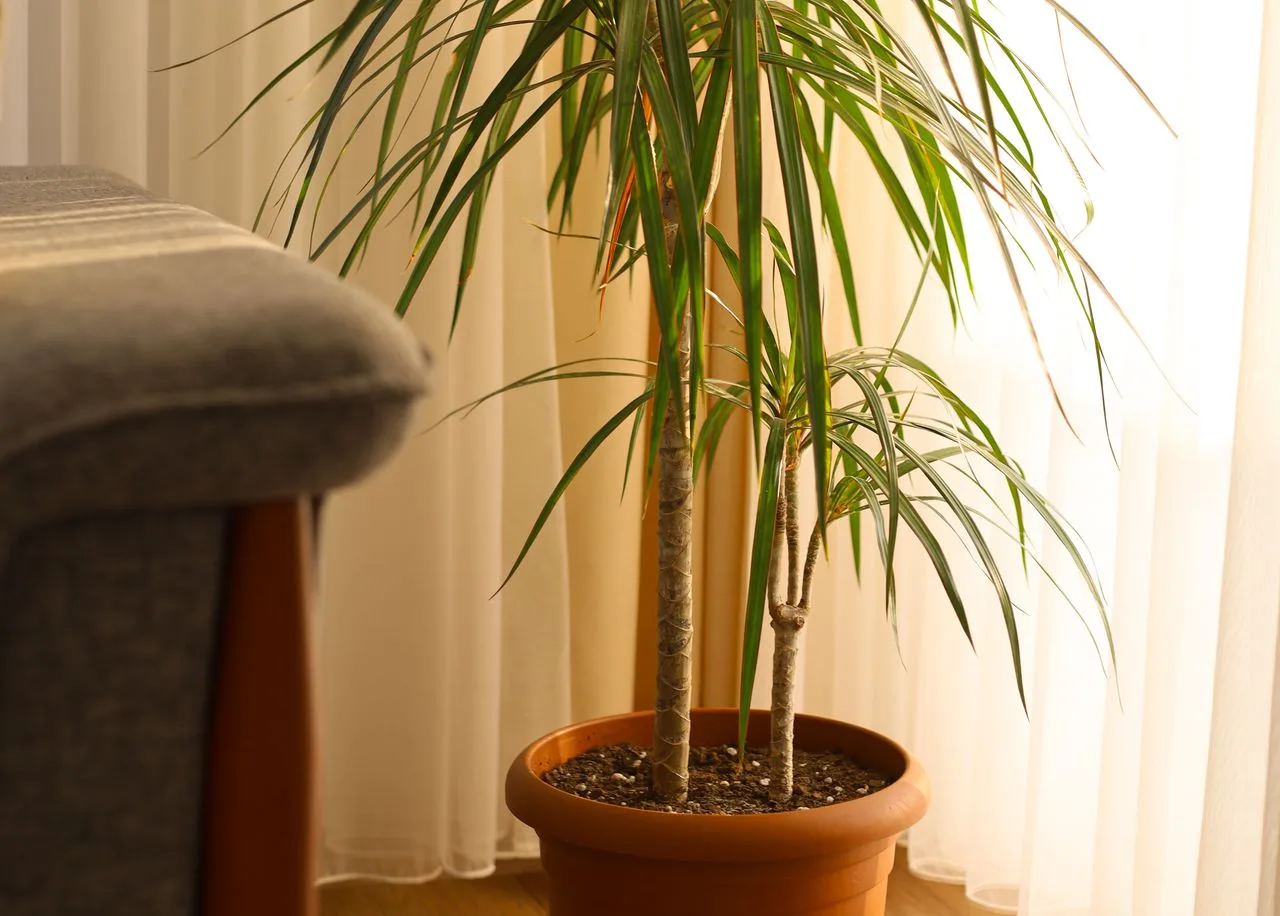
Dracaena can be propagated from stem cuttings. A healthy section of stem can be rooted in water or placed directly into a light potting mix. Propagation is easiest while the plant is actively growing and has enough light to produce new roots and shoots.
With taller plants, a top cutting can also be used. It is a useful way to rejuvenate a dracaena that has become too tall or has developed a long bare section of stem.
I would not take cuttings from a weak dracaena unless the purpose is to save healthy sections of a declining plant. Stabilize the conditions first; reach for the pruning shears later.
Who is dracaena best for?
Dracaena works well in an office, living room, hallway, or another reasonably bright spot without harsh direct sun. It is especially useful for anyone who likes a more upright, architectural plant without a complicated care routine.
It is less suited to a genuinely dark corner or to someone who waters frequently “just to be safe.” With dracaena, good light, drainage, and fairly restrained care matter much more than constant attention.