
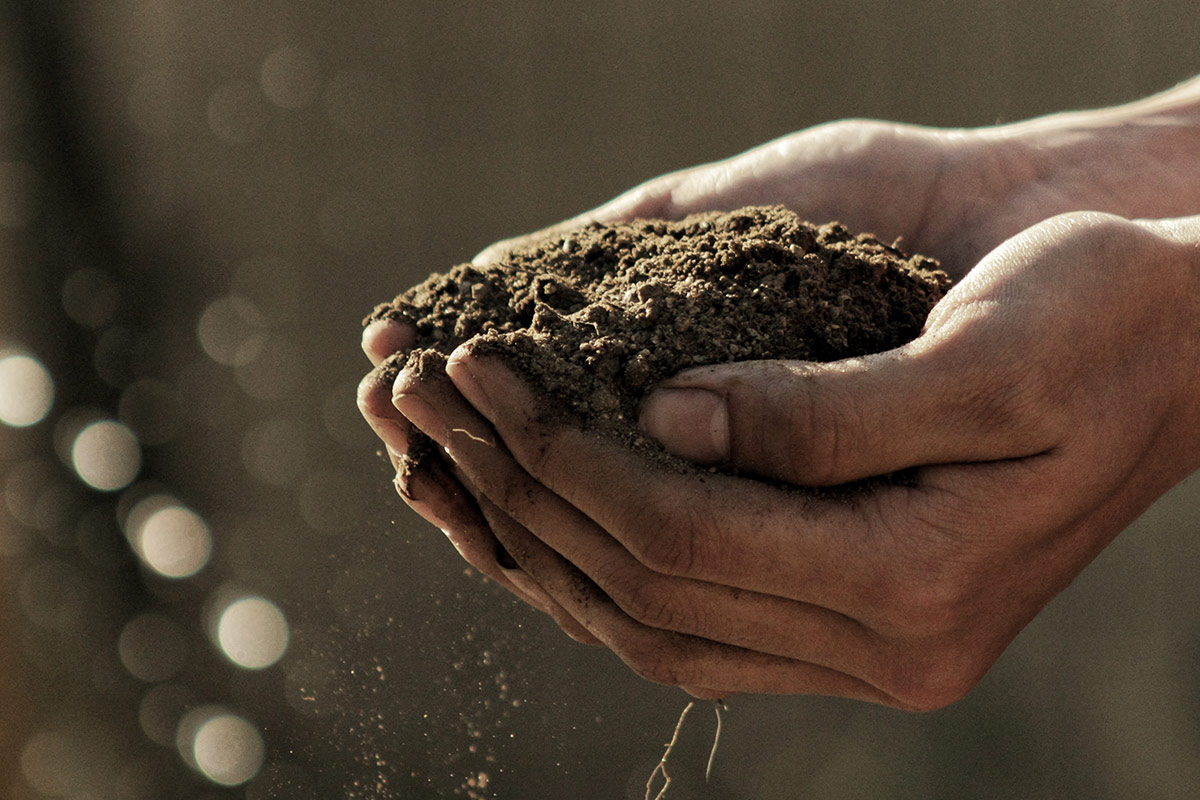
Red composting worms may be the ideal pets for a gardener. I mean that quite seriously, because they can even be kept at home if you have a suitable container, enough moisture and a steady supply of organic scraps.
Red composting worms are remarkably efficient at processing organic matter. Under the right conditions, kitchen and garden waste is gradually turned into dark, crumbly vermicompost.
I like these little worms. They turn something we would otherwise throw away into a valuable organic soil amendment. I use worm castings in the vegetable garden, around roses and in raised beds.
What do composting worms eat?
Red composting worms feed on decomposing organic matter. At home, that can include a variety of kitchen and garden plant waste.
You can give them:
- vegetable peelings;
- fruit scraps;
- crushed eggshells;
- used tea bags;
- coffee grounds;
- grass clippings;
- dry leaves;
- other plant-based organic waste.
Important: I would avoid adding meat, dairy products, greasy foods or large amounts of citrus. These can upset the balance of the system and may lead to unpleasant smells.
How do red composting worms live?
Red worms breathe through their skin. They do not have lungs, ears or eyes. They also have no bones, and their bodies contain a high proportion of water.
Red Californian worm
It reproduces extremely quickly. After three months, you may even have enough to give some to your neighbours.
The Priceless Gift of Worms
What they excrete is the highest-quality long-lasting organic fertiliser.
Sifted Black Gold
Good-quality compost has the texture of coarsely ground coffee and even smells pleasant.
This is why moisture is so important. If the environment becomes too dry, the worms cannot function properly. The bedding should remain consistently moist, but it should never become waterlogged.
Temperature matters as well. The best approach is to keep the environment moderate, avoiding both severe overheating in summer and freezing conditions in winter.
Why are worm castings so valuable?
Organic matter processed by the worms gradually becomes dark, crumbly vermicompost.
It can add organic matter and nutrients to the soil, but for me one of its most important qualities is the way it improves soil structure.
The soil becomes looser, easier to work with and more suitable for healthy root development.
I do not really think of worm castings as just a fertilizer. I see them as a way to feed the soil while improving its structure at the same time.
How are worm castings produced?
In vermicomposting systems, worms are kept in an organic medium that they gradually process. Over time, the material becomes dark, crumbly and well decomposed.
When the vermicompost is ready, the active worms are separated and moved to fresh organic material.
The finished material can then be screened and used as an amendment in soil mixes for vegetables, flowers, roses, container plants and raised beds.
How worm castings help the soil
The composition of vermicompost can vary depending on the organic materials used, but it adds organic matter and can help improve soil structure.
This is particularly useful in soils that are compacted or difficult to work.
In my own garden, the most obvious effect was exactly that: the soil remained loose and easy to work, while the plants made a very strong start.
In short: I use worm castings not only as a source of nutrients, but also as an organic amendment that helps improve the growing environment in the soil.
My experience with worm castings in the garden
I found a local producer of vermicompost and used fairly large amounts when filling my raised beds.
For comparison, I planted tomatoes and physalis both in the enriched raised beds and in the older, unimproved garden soil. The difference was very noticeable.
The plants in the beds enriched with worm castings looked almost like mutants - larger, stronger and much faster to establish.
I did not need to add any other soil amendments during that first season.
I noticed something similar with my roses. Bare-root roses planted in holes where I had added a generous amount of vermicompost established very well.
I cannot say that worm castings were the only reason for the difference. But the result was noticeable enough that I continued using them.
When is it worth investing in worm castings?
In my view, they make the most sense where you want to give plants a strong start: in a new raised bed, a new vegetable garden, or soil that clearly needs more organic matter.
Small retail bags can be expensive, so if you have a larger garden it may be worth looking for a local producer and asking about bulk pricing.
Personally, I would invest first in the areas where I grow the most plants, rather than spreading a small amount thinly across the entire garden.
Good soil is one of the few things in the garden I rarely regret investing in properly from the beginning.
Unfortunately, we do not produce enough compost for me to keep red composting worms on a larger scale at home.
Otherwise, I probably would. They are quiet, useful and work without taking a day off - it is hard to find better garden staff.