
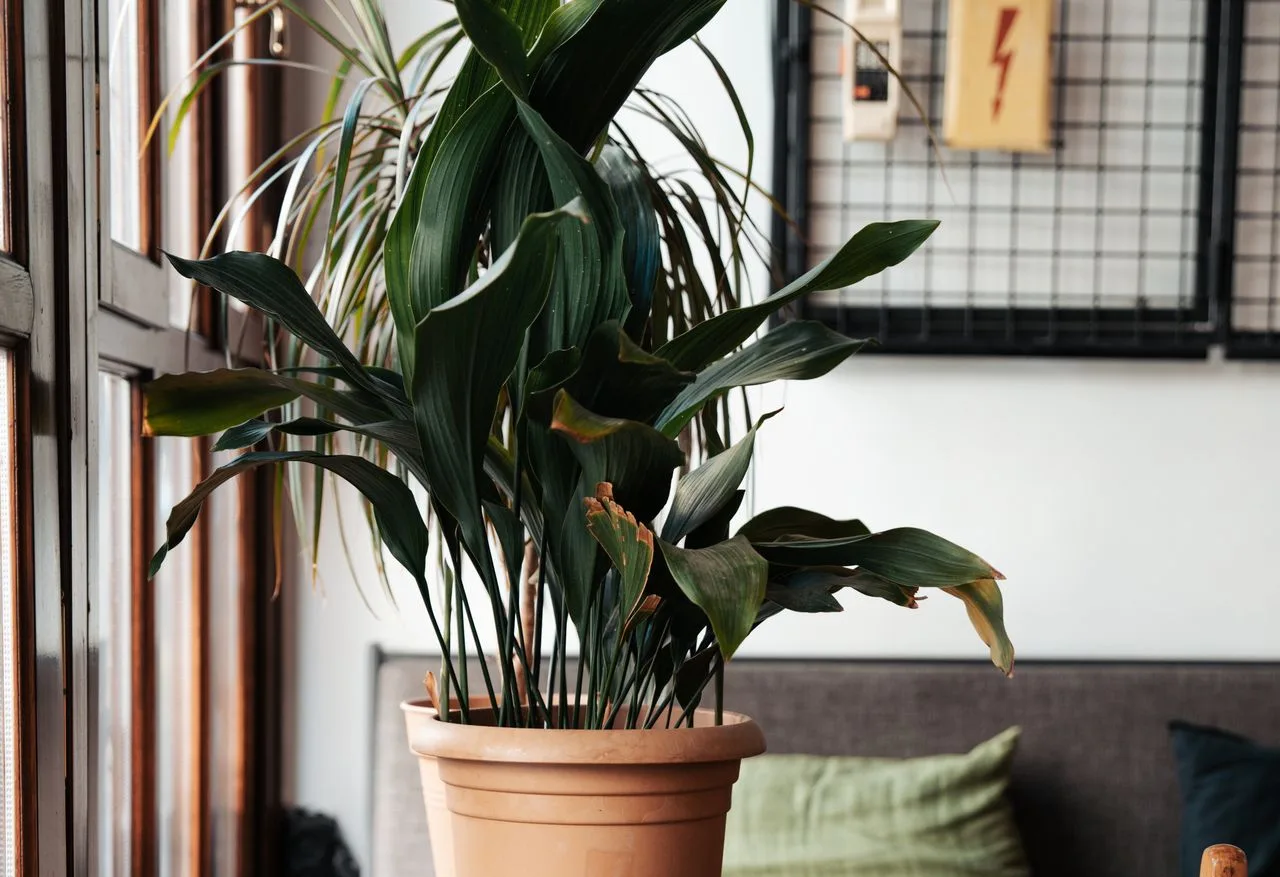
Aspidistra is one of those houseplants that seems almost designed for people who do not want drama around every pot. It tolerates lower light, does not demand high humidity, and usually does not hold a grudge if watering is occasionally forgotten.
That does not make it immortal. Keep it in constantly wet soil, a pot with no drainage, or a cold and damp spot for long enough, and even one of the toughest houseplants will eventually run out of patience.
This is realistic indoor care - hallways, brighter and darker corners, central heating, dry air, cool windowsills, and someone who wants a beautiful plant without adding another daily chore.
This article is part of our guide to houseplants by light level.
Aspidistra forgives a lot, but it does not enjoy sitting in wet soil for long periods. With this plant, less attention is often better attention.
Aspidistra at a glance
| Botanical name | Aspidistra elatior |
|---|---|
| Light | Low to medium indirect light |
| Watering | Moderate to infrequent, after the top layer of soil has dried |
| Humidity | Tolerates dry indoor air |
| Difficulty | Very easy |
| Best location | Hallway, lower-light corner, or living room without strong direct sun |
| Important | Generally considered a low-risk houseplant, but it is still better not to let children or pets chew on the leaves. |
Where to place an aspidistra
Aspidistra is famous for tolerating lower light. That makes it useful in places where many other houseplants start stretching and looking increasingly unhappy. It can cope with a hallway, a darker corner, or a room without direct sun.
Still, “tolerates low light” is not the same as “loves darkness.” In a brighter spot with indirect light, the plant will usually look fresher and grow more steadily. In a very dark location, it will simply do everything much more slowly.
Be careful near cold windows and frequently opened doors. Aspidistra is tough, but cold, wet soil is not a good combination. In a cooler room, watering needs to be even more restrained.
How to water aspidistra
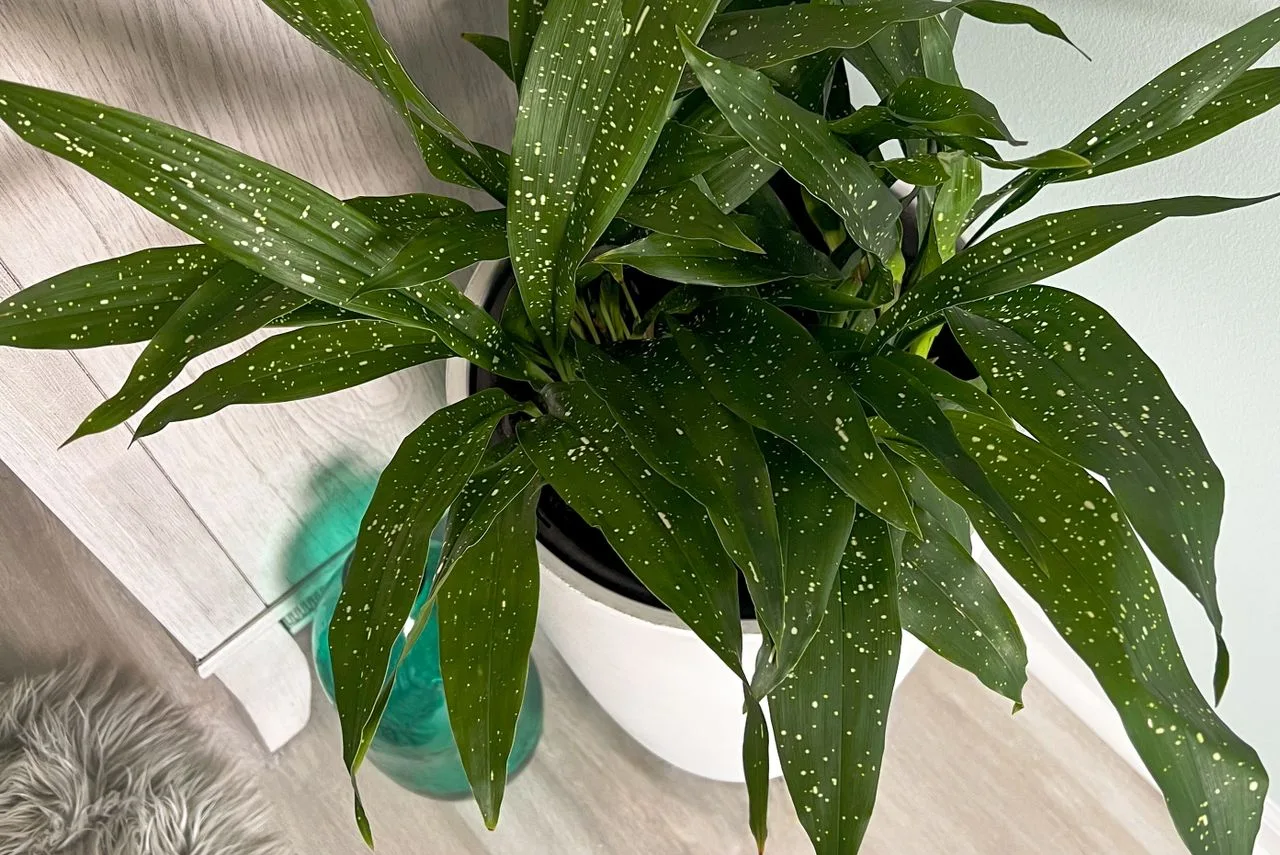
Aspidistra does not need watering on a fixed schedule. Check the soil instead and water when the upper layer has dried. When the plant receives less light and growth slows, the pot usually needs water less often.
If the container still feels heavy, the soil is damp, or the room is cool, wait. Aspidistra copes with a short dry spell much better than it copes with roots that stay wet for days.
Practical note: this old-fashioned, resilient plant deserves a comeback - especially in homes that do not offer perfect conditions for fussier species.
This post may contain affiliate links. As an Amazon Associate, I earn from qualifying purchases.
A little more control when watering
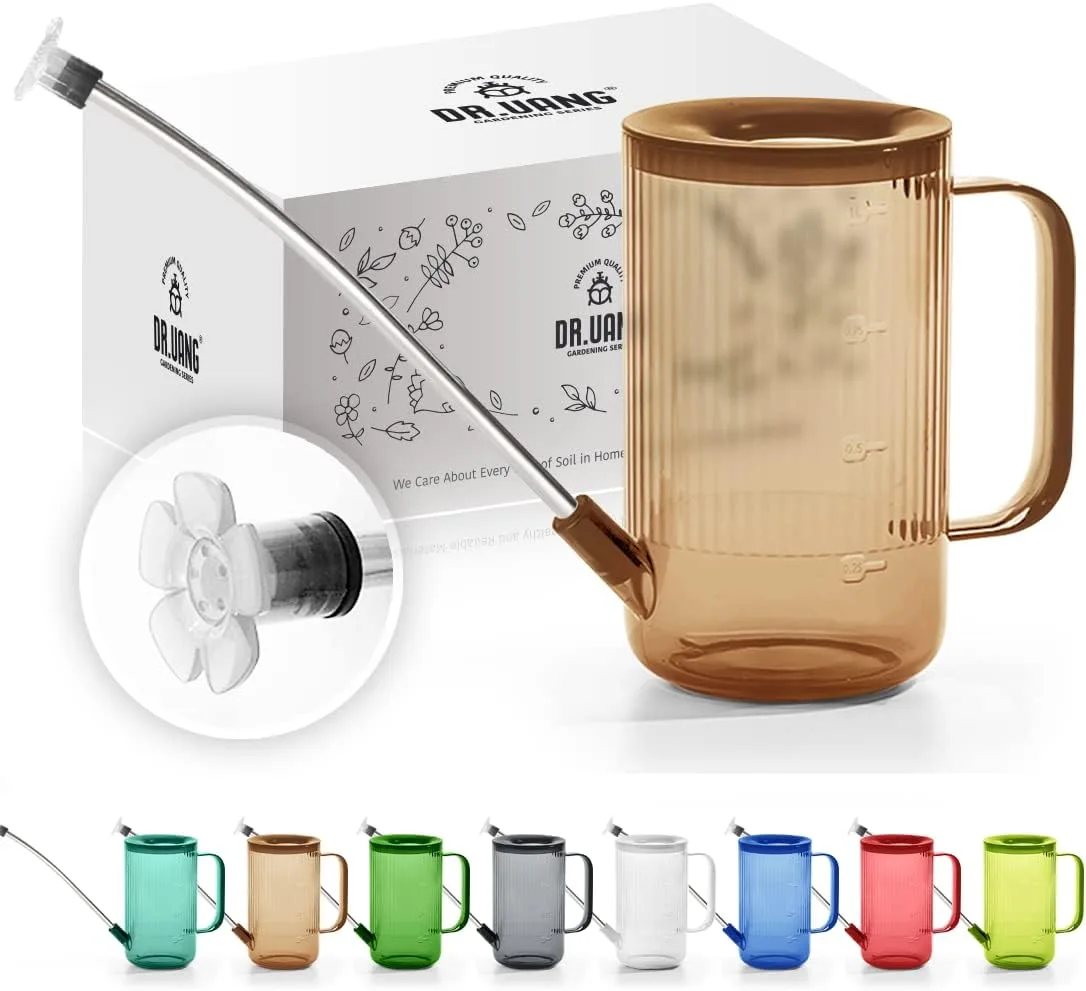
Aspidistra does not need frequent watering, but when it is time to water, a narrow spout makes it easier to direct water onto the soil rather than across the broad leaves or surrounding furniture.
This small indoor watering can has a long spout that reaches easily into pots tucked into corners or grouped with other plants. It is a simple tool, but for a plant that prefers measured watering over constant attention, simple is often exactly the point.
Soil and pot
The safest choice is a pot with a drainage hole and a light, free-draining potting mix. Aspidistra is not particularly demanding, but it does not want its roots sitting in water.
A decorative cachepot is perfectly fine as long as you check after watering and empty any water that collects inside. This matters even more in a cool room or lower-light location, where the soil takes longer to dry.
There is no need to move the plant into an enormous container. Aspidistra grows slowly and is in no hurry. A stable pot with good drainage is more useful than a container several sizes too large.
Humidity and temperature
Aspidistra tolerates dry indoor air better than many tropical houseplants. That makes it a good fit for homes with central heating and air conditioning, where calatheas and ferns often begin complaining much sooner.
There is no need to buy a humidifier specifically for it. More important is keeping the plant out of strong drafts, away from very cold windows, and not directly beside a heater that continually dries the foliage.
Its broad leaves do collect dust, particularly in quiet corners of the house. Wiping them occasionally with soft microfiber plant gloves is an easy way to keep the leaf surface clean without using leaf-shine sprays.
Fertilizing and repotting
Aspidistra is not a plant that needs constant feeding. During active growth it can be fertilized moderately if it is producing healthy new leaves. When the plant is barely growing, it usually has little need for fertilizer.
Repotting is best done while the plant is entering active growth. Aspidistra grows slowly and does not appreciate unnecessary disturbance, so there is no reason to repot every year. Move it up only when the container is genuinely crowded or the potting mix has become badly compacted.
Common problems
Yellow leaves
Too much water, cold wet soil, or a sudden change in conditions are common causes. Check whether the potting mix is staying wet for too long.
Very slow growth
With aspidistra, slow growth is often completely normal. In a very dark location, it will be slower still.
Brown leaf tips
Possible causes include dry air, inconsistent watering, salt buildup in the potting mix, or drafts.
Spots on the leaves
Cold conditions, wet foliage in a cool room, or strong direct sun can all contribute. Adjust the location and watch how the new leaves develop.
How to propagate aspidistra
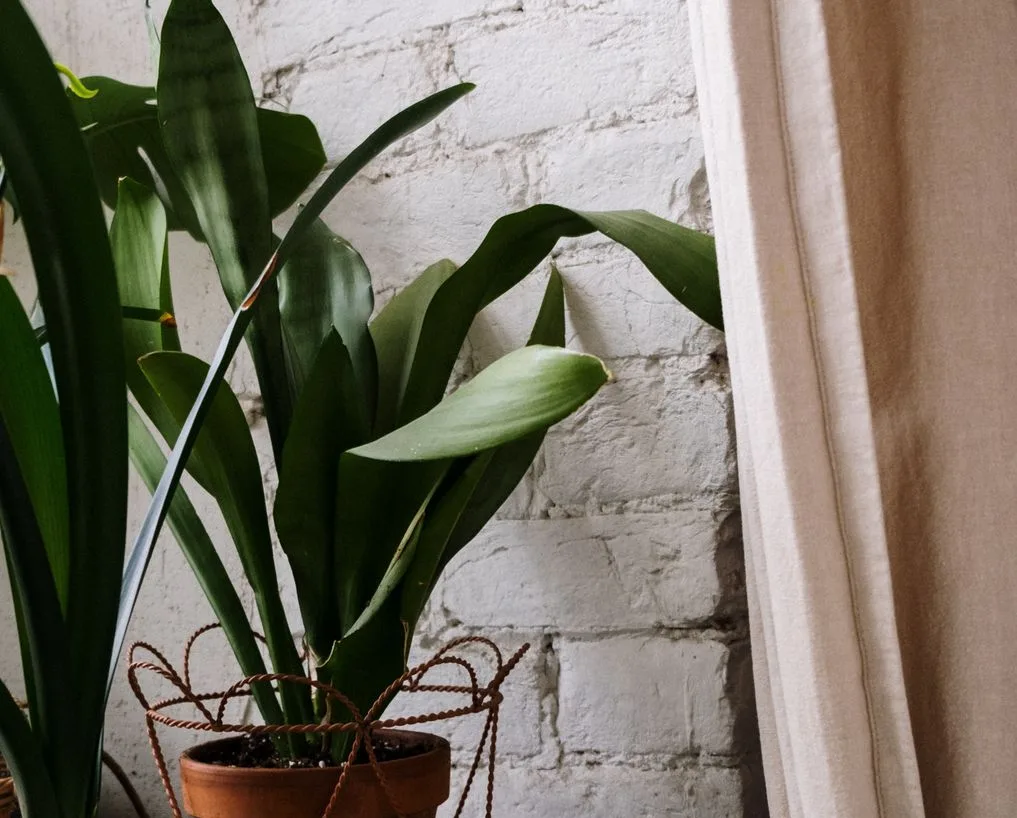
The easiest way to propagate aspidistra is by dividing a well-established plant. This is usually done during repotting, when the clump has enough leaves and roots to separate into healthy sections.
Do not divide it too often. Aspidistra grows slowly and needs time to recover after being disturbed. The best time is when the plant is entering a period of more active growth.
I would not divide a weak aspidistra unless root problems make it necessary. Stabilize the growing conditions first.
Who is aspidistra best for?
Aspidistra is a good choice for anyone who wants greenery without constant maintenance. It works well in a hallway, lower-light corner, office, traditional interior, or another space where fussier plants never seem particularly happy.
It is not the plant for someone expecting rapid growth and a new leaf every week. Aspidistra is slower, quieter, and remarkably patient. That is exactly what makes it useful.