
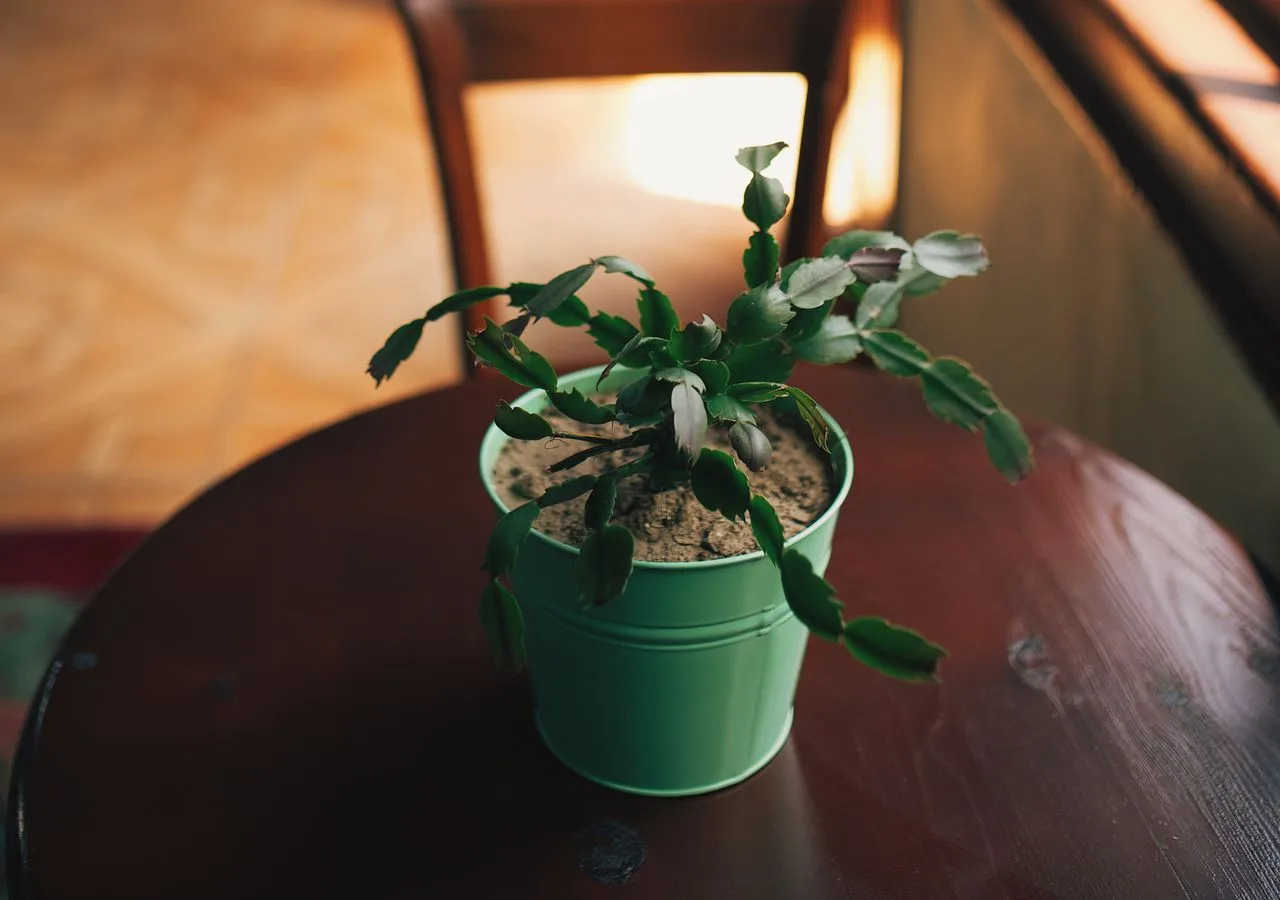
Christmas cactus is one of those plants we buy for the flowers and then discover that it does not behave much like a typical cactus at all. That makes perfect sense - Schlumbergera comes from the humid forests of Brazil, where it grows on trees and rocks rather than in an arid desert.
It is fairly easy to grow indoors as long as we do not leave it bone-dry for months or keep the roots permanently wet. The really interesting part is flowering. Light, temperature, and long nights matter much more there than another dose of fertilizer.
This article is part of our guide to houseplants by light level.
Christmas cactus has “cactus” in its name, but it wants more moisture and gentler light than its desert relatives.
Christmas cactus at a glance
| Botanical name | Schlumbergera |
|---|---|
| Light | Bright indirect light |
| Watering | Moderate, after the potting mix has partially dried |
| Humidity | Average to moderately higher household humidity |
| Difficulty | Easy to moderate |
| Flowers | Yes, usually in late fall and winter |
| Best location | Bright window, shelf, or table near a window |
| Toxicity | Not considered highly toxic, but it is not intended for eating |
Where to place a Christmas cactus
Christmas cactus does best in bright but indirect light. An east-facing window is often an excellent location. Near a south- or west-facing window, protect it from intense afternoon sun, especially during the warmer months.
Move it too far into the room and the plant may still look healthy, but growth can slow and flowering may become less reliable. With Christmas cactus, there can be a surprisingly large difference between a room that looks bright to us and a spot that actually provides enough light for the plant.
During warm weather it can also spend time on a protected balcony or patio without strong midday sun. It does not appreciate abrupt changes or cold drafts, so bring it back indoors before temperatures become too low.
How to water a Christmas cactus
Christmas cactus should not be watered like a desert cactus. The potting mix does not need to remain completely dry for long periods, but it should not stay constantly wet either.
A useful guide is to let the upper part of the potting mix dry before watering again. How quickly that happens depends on temperature, light, pot size, and the mix itself, so a fixed rule such as “water once a week” is not particularly helpful.
After flowering, the plant usually slows down and uses less water. Once new segments begin to appear, watering can gradually become a little more frequent again.
Practical note: when you are unsure whether it needs another drink, check the soil first. Christmas cactus handles a short dry spell better than roots that stay wet all the time.
Soil and pot
Schlumbergera needs a light, airy potting mix. A quality indoor potting mix amended with perlite, fine pine bark, or another coarse material usually works well because the roots need both moisture and air.
The container should have drainage holes. Christmas cactus does not need an oversized pot and often does perfectly well with a relatively compact root system.
If you use a decorative cachepot, check it after watering and empty any water left inside. It is a small habit that prevents a surprising number of root problems.
Humidity and temperature
Christmas cactus handles normal household humidity fairly well but also appreciates slightly more humid air. A spot directly beside a radiator is rarely ideal, especially if the air there becomes very dry.
Ordinary room temperatures are generally fine. Cooler conditions become more important in fall, when the plant begins preparing to form flower buds.
Once buds appear, avoid sudden changes. Moving the plant from a cool room to a very warm one, exposing it to drafts, or dramatically changing the watering routine can cause some buds to drop.
This post may contain affiliate links. As an Amazon Associate, I earn from qualifying purchases.

A simple way to give a compact plant its own place
Christmas cactus does not need much floor space, but it does look better when the segmented stems have room to arch outward instead of being squeezed between other pots on a crowded windowsill.
This adjustable MUDEELA bamboo stand raises a single pot off the floor or a low surface and fits a range of container sizes. For Christmas cactus, I would use it near a bright window where the plant receives good indirect light without being pushed directly against cold glass.
How to encourage Christmas cactus to bloom
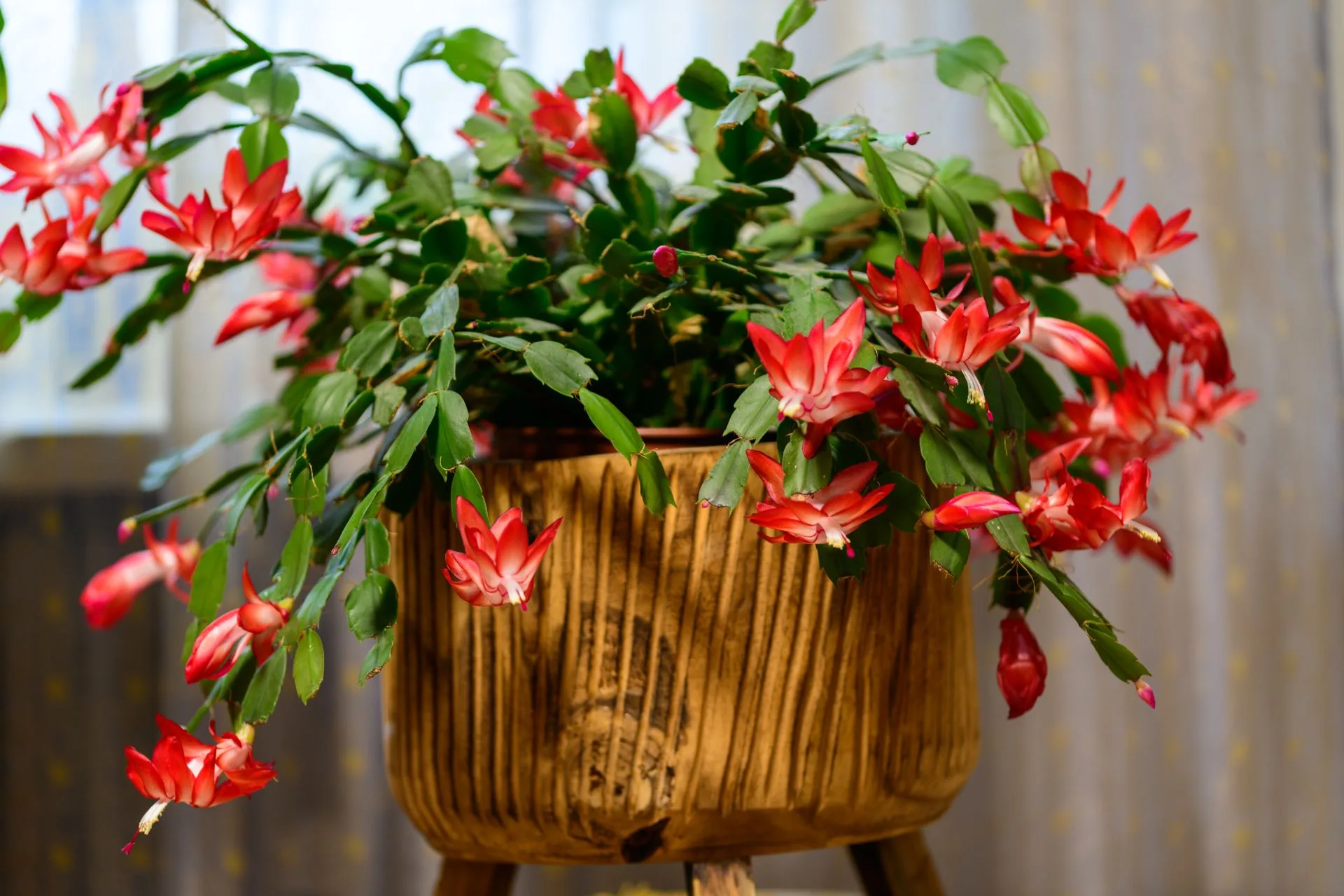
This is what makes Christmas cactus more interesting than many other houseplants. Flower-bud formation responds to a combination of longer nights and cooler temperatures.
For several weeks in fall, it helps if the plant is not exposed to strong artificial light late into the evening. In an ordinary home, that may simply mean keeping it in a room that is not brightly lit until midnight.
If a lamp or grow light near the plant tends to stay on too late, a simple 24-hour outlet timer can switch it off automatically at a consistent time. The point is not to create a laboratory schedule, but to avoid accidentally extending the plant's day every evening.
Cooler nights also help encourage bud formation. There is no need to turn the house into a controlled greenhouse - a slightly cooler location combined with naturally shortening fall days is often enough.
Once the buds have appeared, resist the urge to keep moving the plant. Christmas cactus is not especially fond of sudden changes just when it has finally decided to flower.
Fertilizing and repotting
During active growth, Christmas cactus can be fertilized moderately with a general houseplant fertilizer. Strong concentrations and constant feeding are unnecessary.
After flowering, you can give the plant a short break. Once new growth begins, feeding can gradually resume.
Repotting is not necessary every year. If the roots have filled the container or the potting mix has become compacted and drains poorly, move the plant into a pot only slightly larger than the old one.
Common problems
Bud drop
Sudden temperature changes, moving the plant, or a major change in watering can all cause buds to fall. Once buds form, keep conditions reasonably stable.
No flowers
Too little light or the lack of a period with long nights and somewhat cooler temperatures in fall are common reasons.
Soft segments
Check the soil before deciding the plant needs more water. Soft segments can come from drought, but damaged roots after overwatering can produce similar symptoms.
Root rot
Heavy potting mix, an oversized container, or constantly trapped water are common causes. Reduce watering and inspect the roots if necessary.
How to propagate Christmas cactus
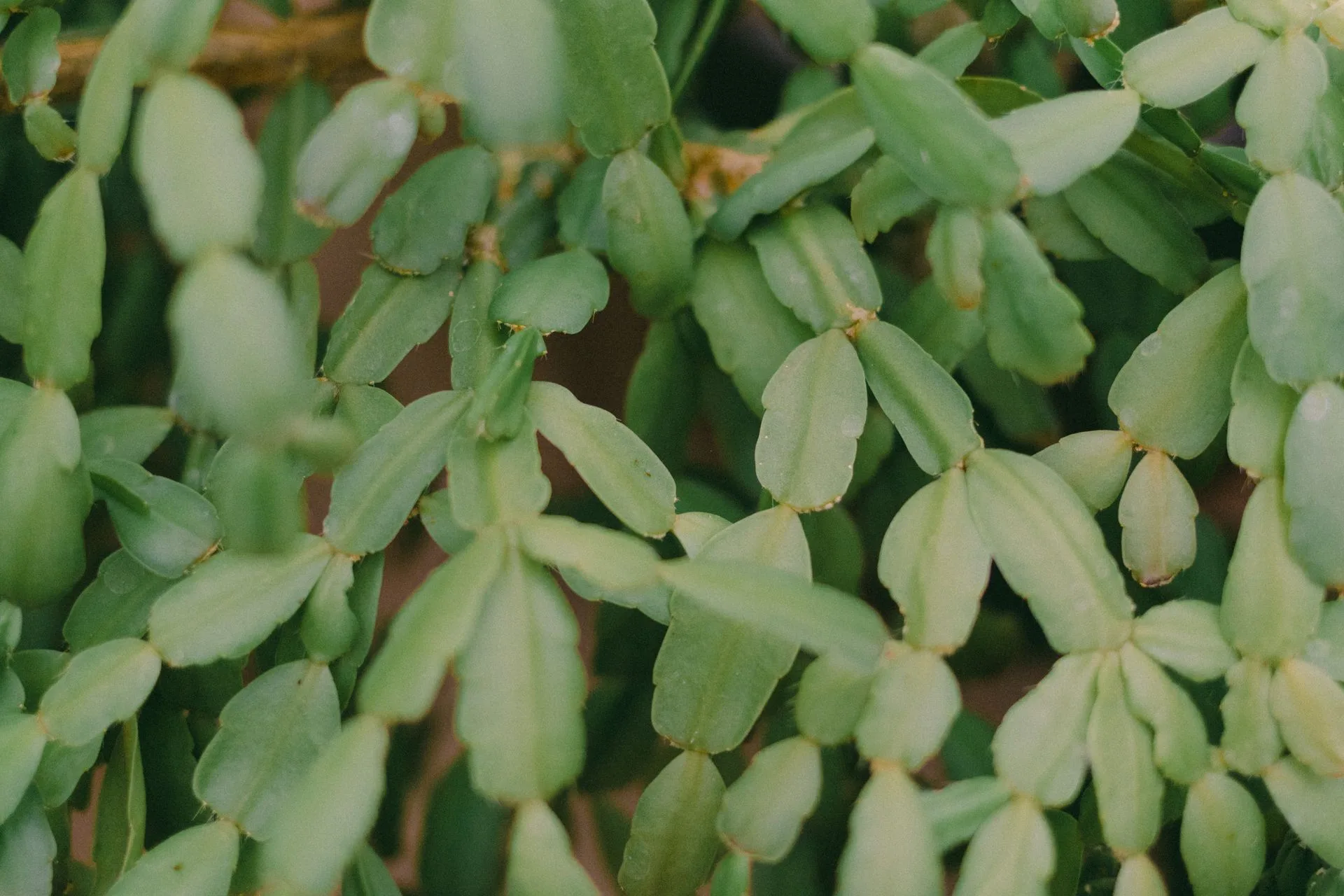
Christmas cactus is easy to propagate from stem sections. Remove a cutting with two or three healthy segments and let the broken end dry briefly.
Then place the lowest segment into a light, slightly moist potting mix. There is no need to bury it deeply - it only needs enough support to remain upright.
Keep the cutting in bright indirect light and avoid keeping the potting mix constantly wet. Once roots form, gradually transition to the normal watering routine.
Who is Christmas cactus best for?
Christmas cactus is a good choice for anyone who wants a compact houseplant with impressive flowers without maintaining a complicated care routine.
It works well on a bright windowsill, table, or shelf near a window. During the warmer months, it can also spend time on a protected balcony or patio.
Just do not treat it like a desert cactus. A little more attention to moisture, enough indirect light, and several cooler fall weeks are often enough to bring another round of flowers.