
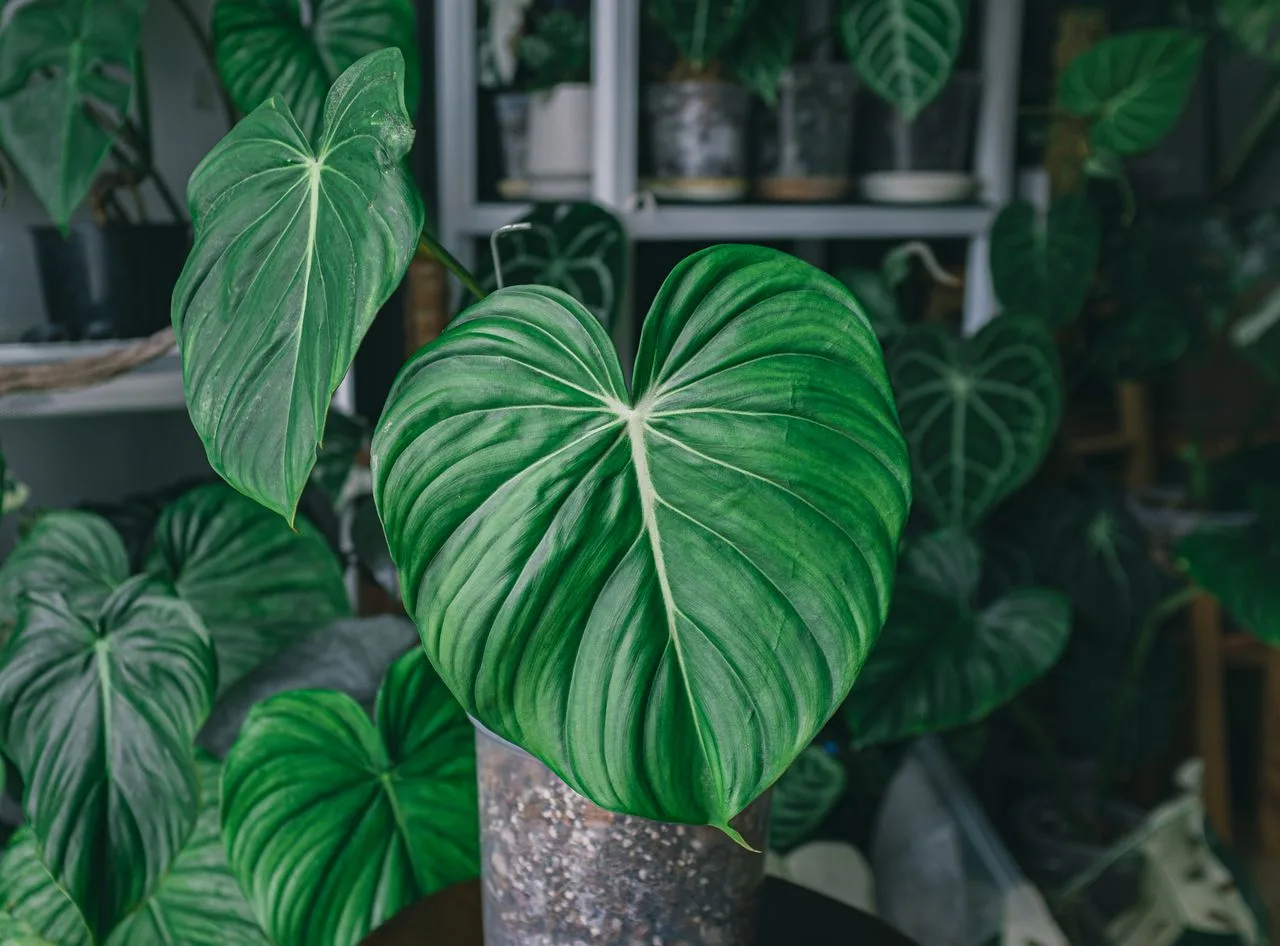
Heartleaf philodendron is one of the most rewarding houseplants, especially if you start with one of the easier trailing types. It grows beautifully, softens the look of a room, and does not need greenhouse conditions to look good.
That does not mean it can live just anywhere. Put it in a very dark corner, heavy wet soil, or directly beside a radiator, and sooner or later the leaves will start showing that something is wrong.
This is realistic indoor care - a shelf, hanging pot, green corner, central heating, air conditioning, changing light through the year, and someone who wants a beautiful plant without adding another daily chore.
This article is part of our guide to houseplants by light level.
With heartleaf philodendron, the basics matter most: moderate light, an airy potting mix, and watering without waterlogging the roots. It is easy to grow as long as we do not drown it with good intentions.
Heartleaf philodendron at a glance
| Botanical name | Philodendron hederaceum |
|---|---|
| Light | Medium indirect light |
| Watering | Moderate, without waterlogging the potting mix |
| Humidity | Prefers somewhat higher humidity but adapts well to normal household conditions |
| Difficulty | Easy |
| Best location | Shelf, hanging planter, or a bright green corner without harsh direct sun |
| Important | Toxic if ingested. Keep it away from children and pets that chew on plants. |
Where to place a heartleaf philodendron
Heartleaf philodendron does best in medium indirect light. That means a bright room without intense midday sun falling directly on the leaves. It can sit somewhat farther from a window than many houseplants, but it still should not be pushed into a genuinely dark corner with almost no daylight.
Heartleaf philodendron is far more forgiving than many rare collector varieties. Even so, it will look fuller and produce healthier new leaves when it receives enough light.
Be careful around cold windows, frequently opened doors, radiators, and air-conditioning vents. Philodendrons do not enjoy abrupt changes. Cold soil, very dry air, and a draft all in the same spot are rarely a good combination.
How to water heartleaf philodendron
Water according to the soil rather than the calendar. A good time to water is when the upper layer of potting mix has started to dry. Philodendron likes moderate moisture, but not a saturated root zone.
When the plant receives more light and is growing actively, it may use water more quickly. When light levels drop and growth slows, watering should become less frequent. If the container still feels heavy and the soil is moist, wait.
Yellow leaves are often the first sign that watering has become too generous. If the foliage is becoming soft while the potting mix stays wet for days, check the drainage and stop watering out of habit.
Practical note: heartleaf philodendrons are far more forgiving than many collector varieties and are an excellent place to start if you are still learning how to care for houseplants.
Soil and pot
The safest setup is a pot with a drainage hole and a light, airy potting mix. Philodendron likes a mix that holds some moisture without becoming dense and waterlogged for days.
A decorative cachepot is fine, but it should not turn the inner container into a hidden pond. After watering, make sure excess water is not collecting in the saucer or outer pot.
A larger container is not always better. A small plant in an oversized pot can remain surrounded by wet soil for too long, especially in lower light when the mix dries more slowly.
Humidity and temperature
Philodendron appreciates somewhat higher humidity but usually adapts well to ordinary indoor conditions. There is no need to automatically buy a humidifier. Start by looking at where the plant sits, how dry the room actually is, and whether the pot is directly beside a radiator or air-conditioning vent.
Stable temperatures help. Fresh air is useful, but a cold draft blowing directly across the leaves can stress the plant. The same applies to an air conditioner aimed continuously at the pot.
This post may contain affiliate links. As an Amazon Associate, I earn from qualifying purchases.
Let the vines climb instead of always hanging down
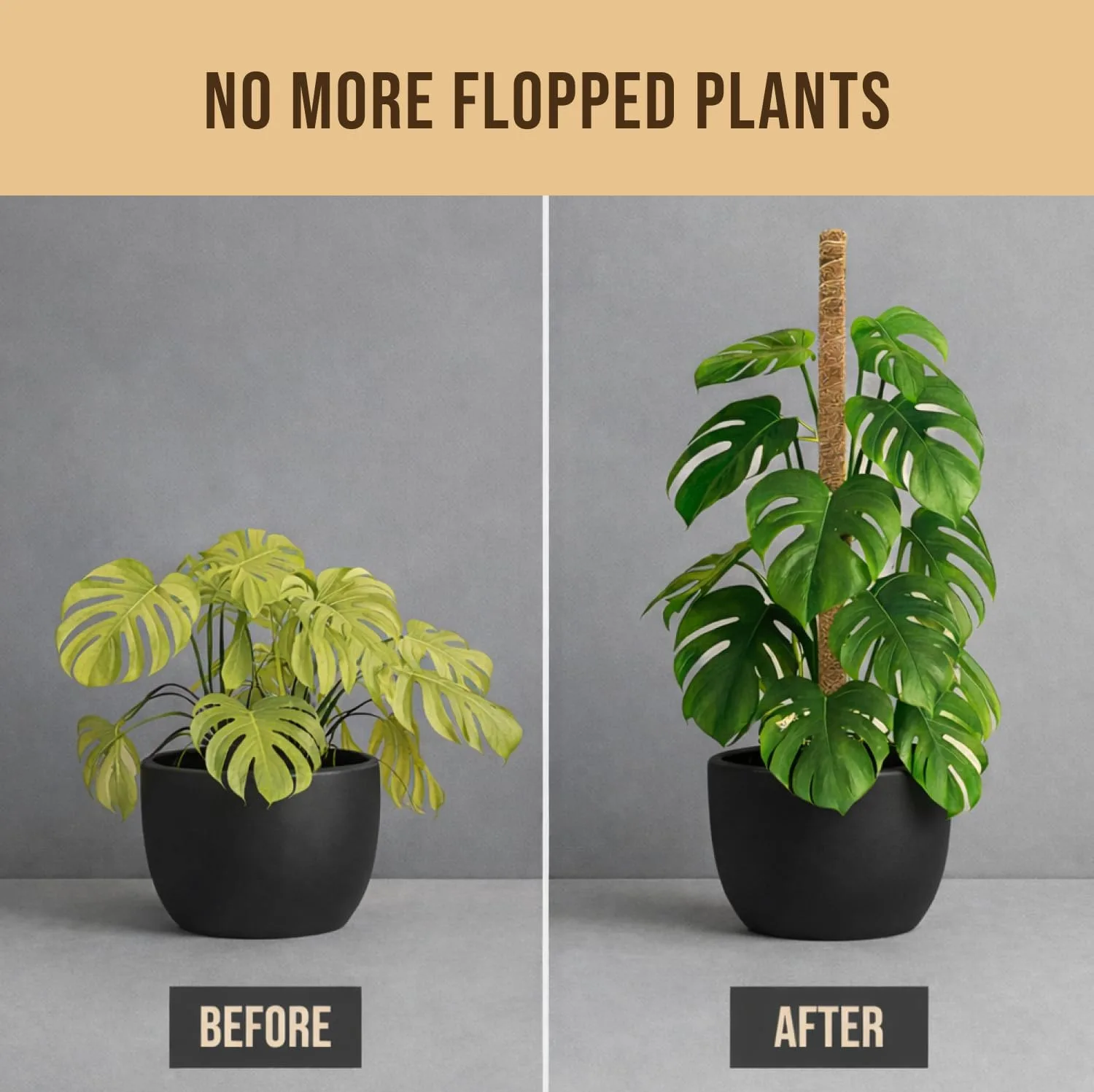
Heartleaf philodendron looks beautiful trailing from a shelf or hanging pot, but it can also be trained upward. Giving the stems a vertical support creates a completely different shape and makes it easier to guide a plant that has started producing long vines.
The Craft911 bendable moss poles can be shaped to suit the plant rather than forcing every stem into a perfectly straight line. They work well for philodendrons and other climbing houseplants and can be added while the plant is still manageable rather than waiting until the vines have taken over the shelf.
Fertilizing and repotting
During active growth, heartleaf philodendron can be fertilized moderately, especially when it is producing healthy new leaves. Frequent feeding is unnecessary. More fertilizer does not automatically mean a healthier plant.
When light levels are lower and growth has slowed substantially, there is usually little reason to fertilize heavily. Feeding does not replace adequate light and will not correct overwatering.
Repotting is easiest while the plant is entering a period of active growth. Repot sooner only if there is obvious root rot, an unsuitable container, or a badly compacted potting mix.
Common problems
Yellow leaves
Check the soil first. Yellowing often comes from overwatering, cold wet soil, or a sudden change in growing conditions.
Pale or weak growth
The plant may not be receiving enough light. Move it somewhat closer to a window while keeping it out of harsh direct sun.
Brown leaf tips
Possible causes include dry air, inconsistent watering, mineral buildup in the potting mix, or drafts.
Soft stems or roots
This is a warning sign of wet soil and poor drainage. Stop watering, inspect the roots if necessary, and allow the potting mix to dry appropriately.
How to propagate heartleaf philodendron
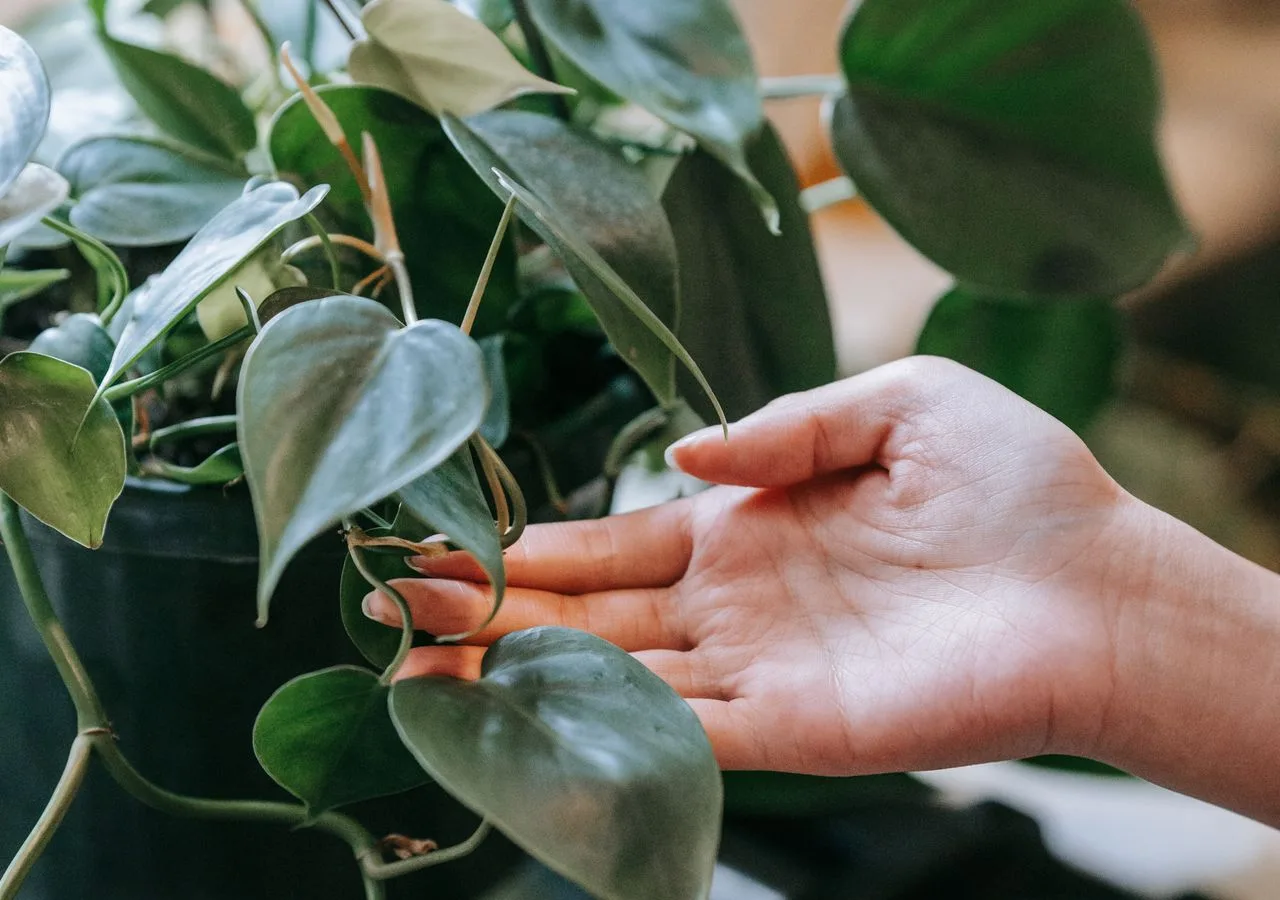
Heartleaf philodendron is very easy to propagate from stem cuttings. The important part is that each cutting includes at least one node - the point from which new roots can develop.
Cuttings can be rooted in water or directly in a light potting mix. For water propagation, a glass propagation station makes it easy to keep several cuttings separate and watch the roots develop.
Propagation is easiest while the plant is actively growing and receiving enough light. I would not take multiple cuttings from a weak philodendron unless the goal is to save healthy sections of a declining plant. Stabilize the growing conditions first; cut later.
Who is heartleaf philodendron best for?
Heartleaf philodendron works especially well on a shelf, in a hanging pot, or in a green corner where its vines have room to trail or climb. It is a good choice for anyone who wants a softer, leafy plant with relatively straightforward care.
It is less suited to a genuinely dark corner or to someone who waters frequently “just to be safe.” Good light, an airy potting mix, and moderate watering matter far more than constant intervention.