
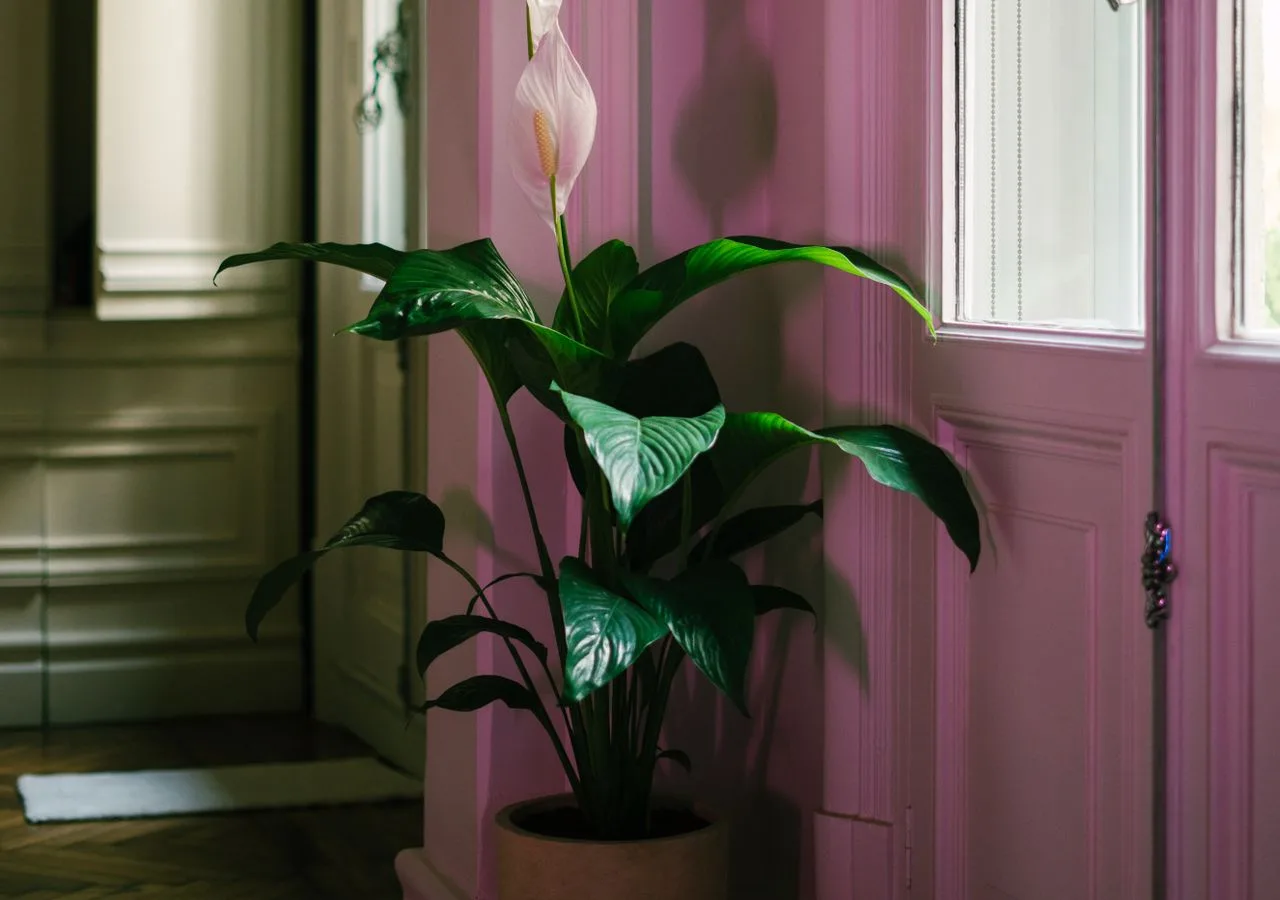
Peace lily is one of those houseplants that makes its feelings very clear. When it is thirsty, the leaves droop dramatically. When conditions are right, the plant stands upright, stays deep green, and periodically produces its familiar white flowers.
It is not especially difficult to grow, but it dislikes extremes. A very dark location reduces flowering, constantly wet soil damages the roots, and allowing the plant to dry completely too often leaves it exhausted. Peace lily does best with fairly even moisture, indirect light, and a reasonably steady routine.
This article is part of our guide to houseplants by light level.
Peace lily is slightly dramatic, but at least it is honest. When something is wrong, it usually lets you know immediately.
Peace lily at a glance
| Botanical name | Spathiphyllum |
|---|---|
| Light | Medium to bright indirect light |
| Watering | Regular, after the upper layer has dried slightly |
| Humidity | Average to higher household humidity |
| Difficulty | Easy to moderate |
| Flowering | Yes, with sufficient light and suitable care |
| Best location | Living room, office, or bright bathroom with a window |
| Toxicity | Toxic if ingested by people or pets |
Where to place a peace lily
Peace lily prefers a bright position without harsh direct sunlight. It can tolerate lower light, but growth is usually slower and flowers appear less frequently.
An east- or north-facing window is often a good choice. Near a south-facing window, place the plant a little farther into the room or behind a sheer curtain because intense sunlight can scorch the leaves.
A bright bathroom with a window can also suit it well because humidity is often somewhat higher there. A bathroom without natural light is another matter. Humidity alone cannot replace light.
If suitable window space is limited, a plant stand with grow lights can create a brighter area for a peace lily and several smaller houseplants. I would still place it where the plants receive some natural daylight rather than using artificial light to justify a completely dark corner.
How to water a peace lily
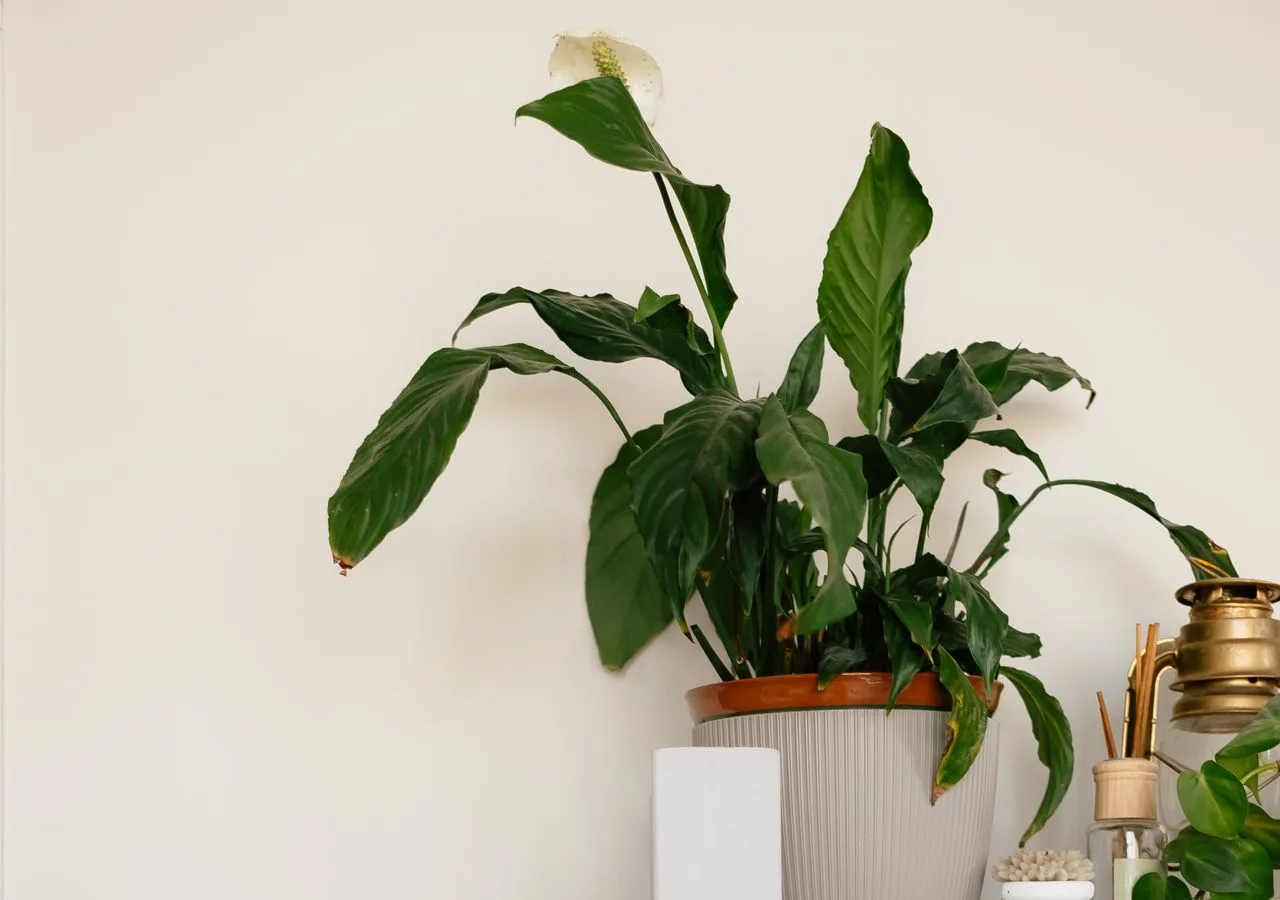
Peace lily prefers potting mix that stays lightly moist but not permanently wet. Water when the upper layer begins to dry.
This is one of the houseplants that shows thirst clearly. The leaves soften and droop, then often stand upright again fairly quickly after watering. I would not wait for this dramatic collapse every time, though, because repeatedly allowing the plant to dry severely can weaken it.
If the leaves are drooping while the soil is still wet, lack of water is probably not the problem. Check the drainage and root condition before adding more.
Practical note: dramatic drooping does not automatically mean “add more water.” Check the potting mix first. A peace lily can look thirsty even when damaged roots are sitting in overly wet soil.
Soil and pot
A loose indoor potting mix that retains a moderate amount of moisture while still allowing excess water to drain works well. Perlite or fine orchid bark can improve the structure.
The container must have drainage holes. When using a decorative outer pot, check after watering to make sure no water remains at the bottom.
Peace lily does not need an oversized container. When repotting, choose a pot only slightly larger than the previous one.
Humidity and temperature
Peace lily appreciates somewhat higher humidity, although many plants grow well in ordinary homes without a humidifier. When the leaf tips turn brown repeatedly, very dry air may be one contributing factor.
Keep it away from radiators and constant airflow from an air conditioner. Normal room temperatures are suitable provided the plant is not exposed to cold drafts or sudden changes.
Misting is optional rather than essential. Consistent soil moisture and a position away from very dry air are usually more useful.
This post may contain affiliate links. As an Amazon Associate, I earn from qualifying purchases.
A practical option for more consistent moisture
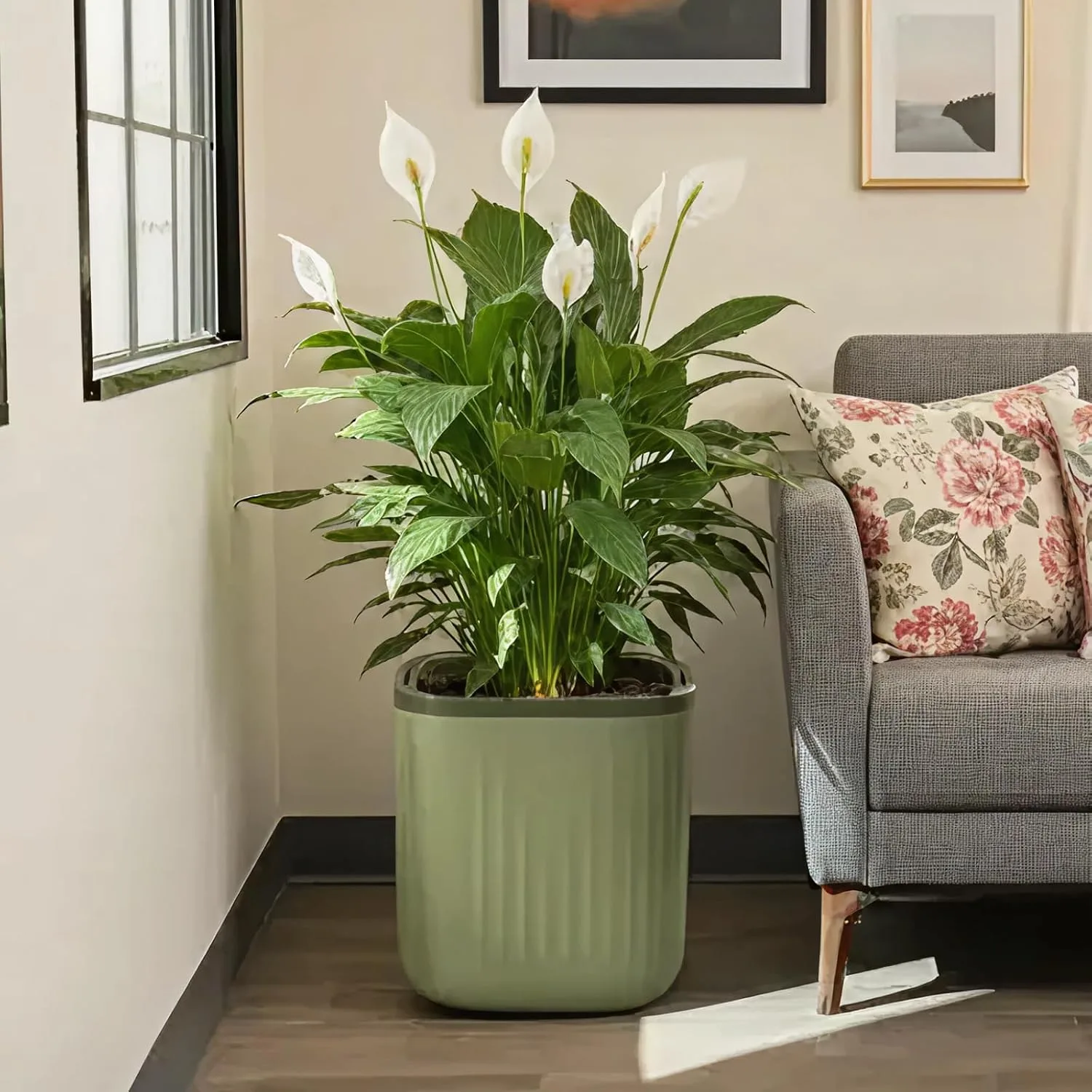
Peace lily prefers fairly even moisture and reacts quickly when the potting mix becomes too dry. A self-watering planter can be useful for a large, established plant, especially in a warm, bright room where the soil dries more quickly.
I would still check the potting mix and reservoir rather than treating the system as completely automatic. The aim is to reduce sharp swings between very dry and overly wet soil, not to keep the roots permanently saturated.
How to encourage more flowers
If a peace lily produces plenty of leaves but very few flowers, check the light first. Insufficient light is one of the most common reasons for poor flowering.
The plant may remain alive in a relatively dark position, but regular flowering usually requires brighter indirect light.
Fertilizing also matters, but more fertilizer does not automatically produce more flowers, especially when the plant is standing too far from a window.
Fertilizing and repotting
While the peace lily is actively growing, it can be fed moderately with a fertilizer intended for foliage or flowering houseplants. A weaker application is usually safer than overfeeding.
If growth is slow because light levels are lower, fertilizing should be reduced as well. Fertilizer cannot compensate for a location that is too dark or for roots damaged by consistently wet soil.
Repot when the roots have filled the container or when the potting mix has become badly compacted. This is not usually necessary every year.
Choose a new pot only slightly larger than the previous one and make sure it has effective drainage. After repotting, keep the potting mix lightly moist while the plant settles, but do not leave the container standing in water.
Common problems
Leaves are drooping
Check the potting mix. If it is dry, the plant probably needs water. If it is wet, damaged roots may be preventing the plant from taking up moisture.
Brown leaf tips
Possible causes include dry air, inconsistent watering, hard water, or fertilizer salts accumulating in the potting mix.
Leaves are turning yellow
Watering too frequently is a common cause. One old lower leaf may yellow naturally, but several yellow leaves appearing together justify checking the roots.
The plant will not flower
The location is often too dark. Move the plant somewhere brighter with indirect light and allow time for healthy new growth.
How to propagate peace lily
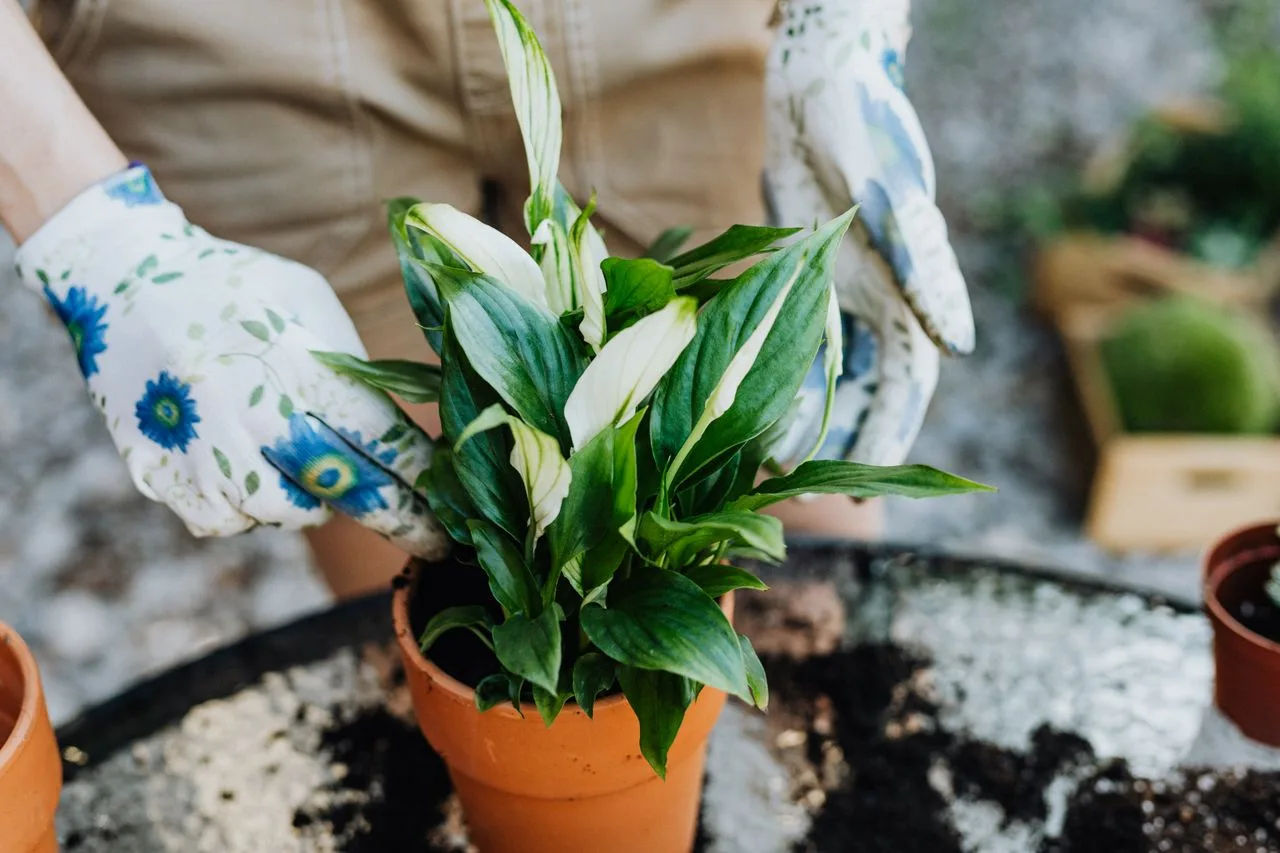
The easiest way to propagate peace lily is by dividing an established clump. This is usually done during repotting, once the plant has formed several well-developed groups of leaves.
Each separated section should have its own roots and several healthy leaves. Plant the divisions in separate containers and water moderately while they recover.
I would not divide a very small or weakened plant simply to create more pots. It is better to wait until it has formed a stable, well-developed clump.
Who is peace lily best for?
Peace lily is a good choice for anyone who wants a green houseplant with occasional flowers and does not mind watching soil moisture a little more carefully.
It works well in a living room, office, or bright bathroom with a window. It is not the ideal plant for someone who forgets to water for weeks at a time, but it does not require daily care either.
It also has one practical advantage: when something is wrong, it rarely keeps its opinion to itself. It droops, turns yellow, or stops flowering, which at least tells us that it is time to check the conditions.