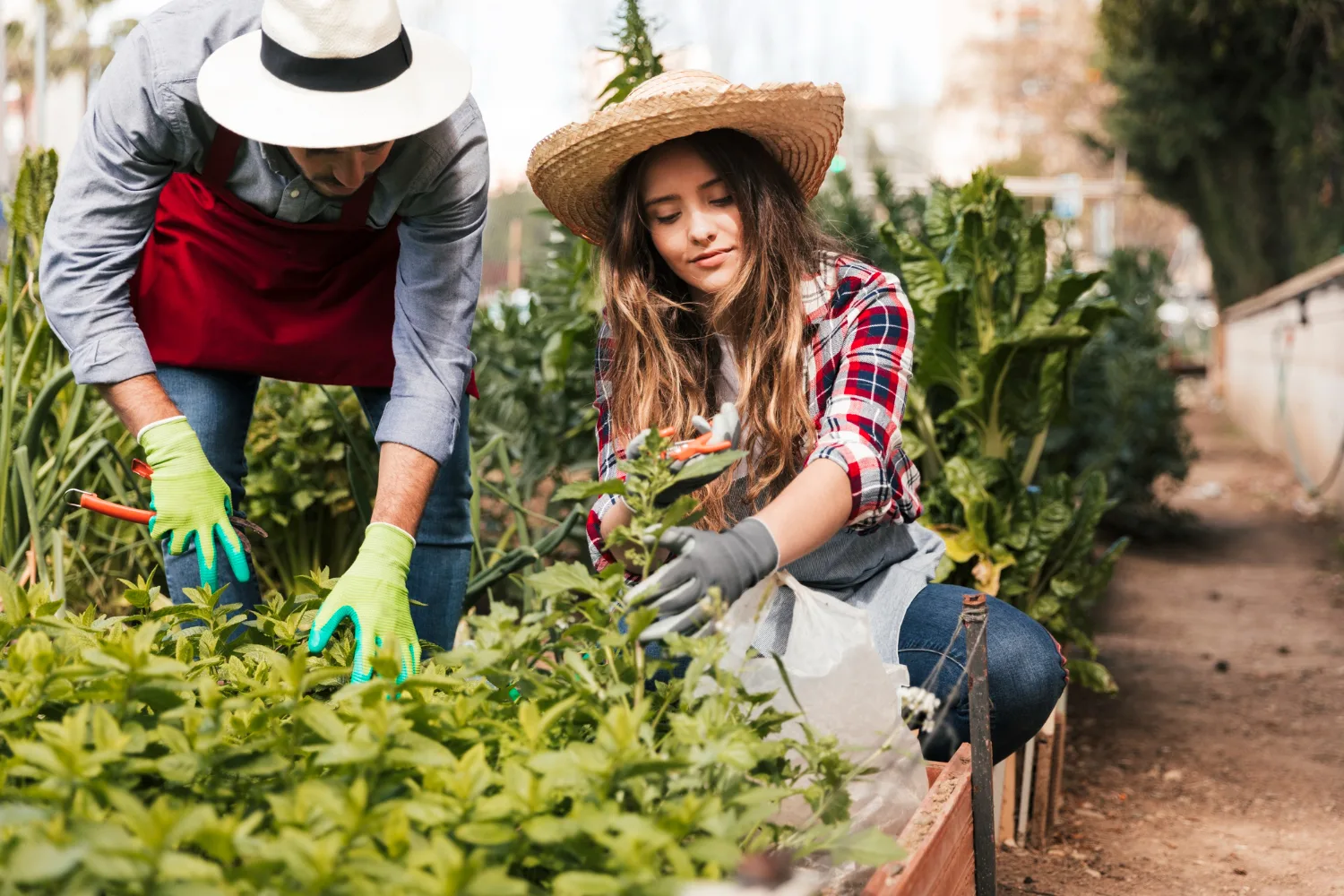
A productive vegetable garden does not begin with seeds. It begins with a few practical decisions: where the beds will go, how much sun the area receives, what the soil is like and how easily you can water it.
Whether you have a large backyard, a narrow strip beside the house or only a few raised beds, the same principle applies: good organization makes the season easier.
You do not need to grow twenty different crops in your first year. A smaller garden that you can actually maintain usually teaches you much more than an ambitious plot that becomes overwhelming by midsummer.
A good vegetable garden is not created in one season. It improves as the gardener learns how the space behaves.
Start With the Right Location
Most fruiting vegetables perform best with plenty of direct sunlight. Tomatoes, peppers, cucumbers, eggplants and squash generally benefit from at least 6-8 hours of sun per day.
Leafy greens and some herbs can tolerate less, but a deeply shaded area is rarely a good location for the main vegetable garden.
A place that looks sunny early in spring may become shaded once nearby trees leaf out. Observe the garden at different times of day before committing to permanent beds.
Build the Garden Around the Soil
Soil quality affects almost everything that follows: root development, water retention, nutrient availability and how often the plants need attention.
Before adding fertilizer, look at the soil itself. Is it heavy and sticky? Does water disappear immediately? Does it form a hard crust? Is it dark and crumbly?
Regular additions of compost are one of the simplest ways to improve most garden soils over time.
| Soil characteristic | Why it matters | What helps |
|---|---|---|
| Good drainage | Roots need both moisture and oxygen. | Better structure, organic matter and sensible bed placement. |
| Organic matter | Supports soil structure, moisture retention and biological activity. | Compost, leaf mold and well-decomposed organic material. |
| Loose structure | Allows roots to expand more easily. | Avoid working soil when it is extremely wet and reduce compaction. |
| Balanced nutrition | Supports steady growth without excessive leafy development. | Feed according to crop needs rather than on a fixed schedule. |
Plan Beds for Easy Maintenance
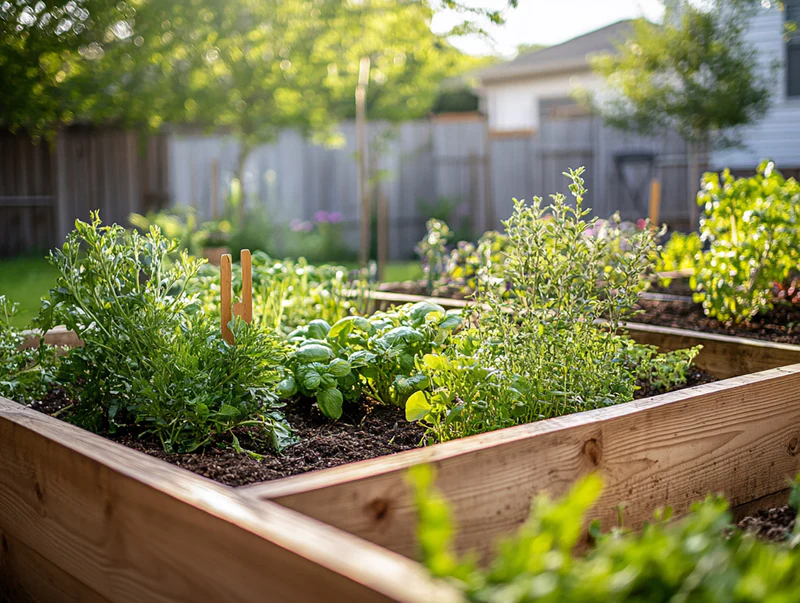
Bed design is not only about making the garden look organized. It determines how easily you can reach plants, water them and harvest without compacting the soil.
In traditional in-ground beds as well as raised beds, the basic idea is the same: you should be able to reach the center without stepping into the growing area.
- Keep permanent walking paths between growing areas.
- Do not make beds wider than you can comfortably reach.
- Group plants with similar watering needs where possible.
- Leave enough space for mature plant size, not just the size of seedlings.
- Think about supports for tomatoes, cucumbers and climbing crops before planting.
They can improve drainage, make soil management easier and reduce bending, but a productive vegetable garden can also be grown perfectly well in properly prepared ground.
Which Vegetables Are Good for Beginners?
The best first vegetable garden is usually not the one with the longest seed list.
Choose vegetables that you actually eat, and begin with enough variety to learn without turning the garden into a full-time job.
| Crop | Why grow it | What to expect |
|---|---|---|
| Tomatoes | Long harvest period and excellent home-garden flavor. | Need support, regular watering and some training or pruning, depending on type. |
| Cucumbers | Fast-growing and highly productive in suitable weather. | Need steady moisture and regular harvesting. |
| Peppers | Compact plants with a long harvest season. | Prefer warm conditions and do not like cold soil. |
| Leafy greens | Quick harvests and useful for smaller spaces. | Often perform best in cooler parts of the season. |
| Beans | Productive and relatively straightforward. | Pole varieties need support. |
| Garlic | Takes little space and requires relatively little attention. | Planting time depends on climate and variety. |
Water Deeply and Keep the Soil Covered
Watering is one of the areas where a little consistency matters more than complicated technique.
Frequent shallow watering encourages roots to remain close to the surface. Deeper watering, followed by enough time for the upper soil layer to begin drying, usually encourages a stronger root system.
The exact frequency depends on temperature, rainfall, soil type, plant size and whether the beds are mulched.
Most vegetable gardens need consistency more than constant intervention.
Feed Plants According to Their Stage of Growth
Fertilizer cannot compensate for poor soil, insufficient light or inconsistent watering.
Once the basic conditions are right, feeding becomes much easier to manage.
Leafy crops, fruiting vegetables and root crops do not all use nutrients in exactly the same way.
- Begin with healthy soil and organic matter.
- Avoid excessive nitrogen, especially on fruiting crops.
- Do not fertilize simply because a plant looks stressed.
- Check watering, temperature and root conditions first.
- Use product doses according to the label rather than assuming more is better.
Similar symptoms can result from overwatering, root stress, nutrient imbalance, unsuitable pH or disease. Look at the whole plant before reaching for fertilizer.
Think of the Vegetable Garden as a Season, Not a Single Planting
A productive garden keeps changing. Some crops prefer cool weather, others need warm soil, and empty space can often be replanted after an early crop is harvested.
| Stage of the season | Main jobs |
|---|---|
| Late winter / early spring | Plan beds, order seeds, start appropriate seedlings and prepare the soil. |
| Spring | Sow cool-season crops and gradually prepare for warm-season planting. |
| After frost risk has passed | Plant warm-season crops when soil and air temperatures are suitable. |
| Summer | Water, mulch, train plants, monitor pests and harvest frequently. |
| Late summer / fall | Replant suitable cool-season crops and begin clearing finished plants. |
| End of season | Remove diseased material, add compost where appropriate and make notes for next year. |
Common Mistakes in a First Vegetable Garden
Most beginner problems are not caused by choosing the wrong variety. They come from trying to do too much or from overlooking a few basic conditions.
A vegetable garden does not need to be large or complicated to be productive.
Start with good light, workable soil, reliable watering and a manageable number of crops. Leave enough space, mulch the soil and observe the plants regularly.
Every season will teach you something about your soil, your climate and the vegetables that grow best in your own garden. That experience becomes more useful than any perfect planting plan.