
Peppers are among the most popular vegetables in the home garden. Whether you grow sweet peppers, roasting peppers or hot varieties, healthy plants can produce over a long period and give an excellent harvest.
They are, however, sensitive to cold soil, sudden temperature changes, irregular watering and excessive fertilizing.
That is why success with peppers does not come from one special technique, but from consistent, timely care throughout the season.
Peppers do not like extremes: neither prolonged drought nor constantly wet soil. They perform best under relatively stable conditions.
Peppers Need Warmth
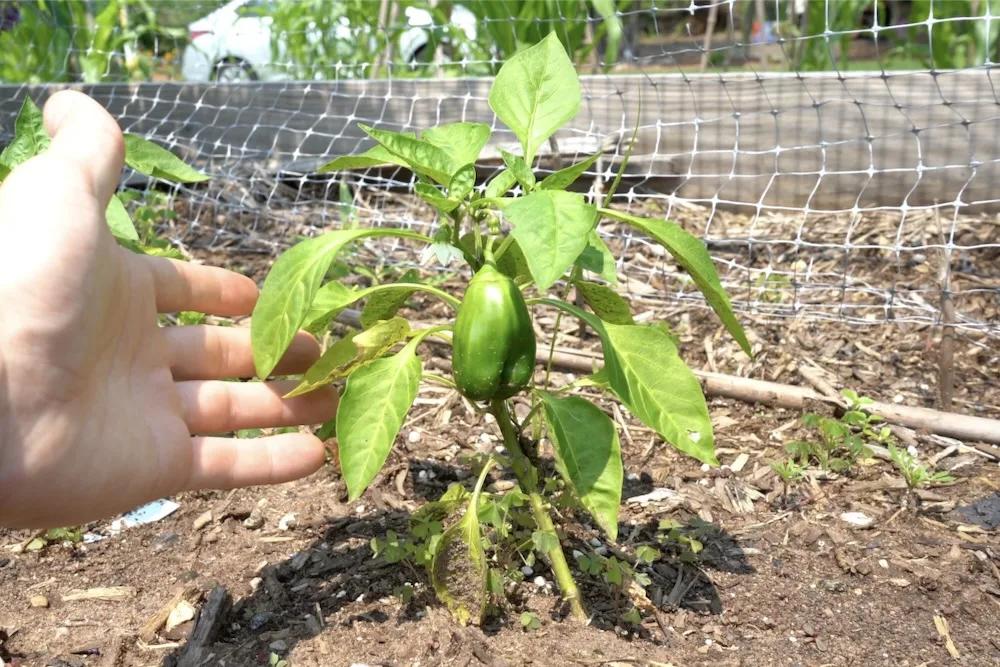
Peppers are warm-season plants and grow best when both the soil and the air are sufficiently warm.
Cold nights and sudden temperature drops can slow growth, reduce flowering and cause blossoms or young fruit to drop.
What Kind of Soil Do Peppers Prefer?
Peppers prefer fertile, loose and well-drained soil.
Heavy, constantly wet soil limits oxygen around the roots and can contribute to root problems.
Adding well-finished compost before planting can improve soil structure and provide a gradual source of nutrients.
| Condition | Why it matters | What helps |
|---|---|---|
| Good drainage | Reduces the risk of root problems. | Loose soil structure and properly prepared beds. |
| Organic matter | Improves soil structure and moisture retention. | Well-finished compost and decomposed organic materials. |
| Consistent moisture | Reduces stress and supports fruit development. | Regular watering and mulch. |
| Balanced nutrition | Supports growth without excessive foliage. | Moderate fertilizing based on plant needs. |
When and How to Plant Pepper Seedlings
Pepper seedlings should be planted outdoors after the danger of late frost has passed and the soil has warmed properly.
Peppers often respond more strongly than tomatoes to being planted into cold soil. Young plants can stall and recover slowly.
- Plant only after the risk of frost has passed.
- Choose healthy, well-developed seedlings.
- Leave enough space between plants.
- Water thoroughly after transplanting.
- Use mulch when appropriate to retain moisture and suppress weeds.
A few warm spring days do not necessarily mean the soil is ready. It is usually better to wait for stable warmth than to leave seedlings stressed for weeks in cold ground.
Keep Watering Consistent
Peppers have a relatively shallow root system and respond quickly to prolonged drought.
Water stress can cause blossom drop, slower growth and smaller fruit.
Constantly wet soil is not the answer either. Pepper roots need both moisture and oxygen.
How to Fertilize Peppers During the Season
Peppers have relatively high nutrient needs, especially once active fruit production begins.
This does not mean they should be fertilized frequently or at high rates. Too much nitrogen can produce lush leafy growth while reducing fruit production.
Slow growth may be caused by cold soil, root stress, excess moisture or insufficient sunlight. Fertilizer cannot compensate for unsuitable growing conditions.
- Prepare the soil with organic matter before planting.
- Fertilize moderately throughout the season.
- Avoid excessive nitrogen.
- Follow the label rate of the specific product.
- Monitor plant growth, leaf color and fruit production.
Flowering and Blossom Drop
Pepper plants may produce many flowers, and some natural blossom drop is normal.
When blossom drop becomes excessive, the cause is often stress: very high temperatures, cold nights, drought, large moisture fluctuations or unbalanced nutrition.
Losing a few flowers is not usually a concern. But if the plant repeatedly fails to hold fruit, look at the growing conditions as a whole.
Blossom-End Rot Does Not Always Mean the Soil Lacks Calcium
Blossom-end rot is a physiological disorder that causes a dark, sunken patch at the blossom end of the fruit.
It is associated with inadequate calcium supply to developing fruit, but that does not necessarily mean the soil itself is deficient in calcium.
The problem often appears when soil moisture fluctuates, roots are damaged or conditions interfere with the plant's ability to absorb and move calcium efficiently.
When blossom-end rot appears, do not automatically add more calcium. First check whether the soil repeatedly becomes very dry and then overly wet. Consistent moisture is often the most important correction.
Common Pepper Pests and Problems
Peppers can be affected by a range of pests, diseases and physiological disorders.
Not every symptom should automatically be treated as an infection. Yellowing, spots and distorted growth can have several possible causes.
| Problem | What it may look like | What to check |
|---|---|---|
| Aphids | Clusters of small insects, curled leaves and distorted new growth. | Check the undersides of young leaves and growing tips. |
| Leaf spots | Brown, black or yellowish areas. | Check whether they are spreading, recent weather and whether other symptoms are present. |
| Blossom-end rot | Dark, sunken area on the blossom end of the fruit. | Check moisture consistency and root health. |
| Yellowing leaves | Leaves gradually lose their green color. | Check watering, nutrition, leaf age and root conditions. |
Harvesting and Keeping Plants Productive
Peppers can be harvested at the mature-green stage, once the fruit has reached the desired size, or left to ripen fully to its mature color.
Allowing every fruit to ripen completely on the plant takes more time and energy. Harvesting some fruit earlier can help the plant continue producing.
It is usually better to cut peppers from the plant rather than pull them forcefully, because pepper branches can snap quite easily.
Common Pepper-Growing Mistakes
Peppers need a little more attention than some garden vegetables, but under the right conditions they can provide an excellent and long harvest.
Choose a warm, sunny location, wait until the soil is warm, water consistently and fertilize moderately.
Watch the plants throughout the season and respond to changes in leaves, flowers and fruit. With peppers, consistency is usually far more valuable than overdoing the care.