
Some perennials look spectacular in the nursery but turn out to be far more demanding once they reach the garden.
Echinacea interests me for almost the opposite reason. Give it enough sun, good drainage and time to establish, and it can become one of the most dependable plants in a summer border.
What I appreciate most is how well it can look in the hottest part of the season, when many other perennials are already beginning to lose their freshness.
Echinacea is not a plant with no requirements at all. Its requirements are simply clear: sun, drainage and enough space.
What Is Echinacea?
The genus Echinacea includes perennial plants native to North America, where they grow naturally in prairies and open grassland habitats.
The best-known garden species is Echinacea purpurea, although today there are many selected cultivars and hybrids.
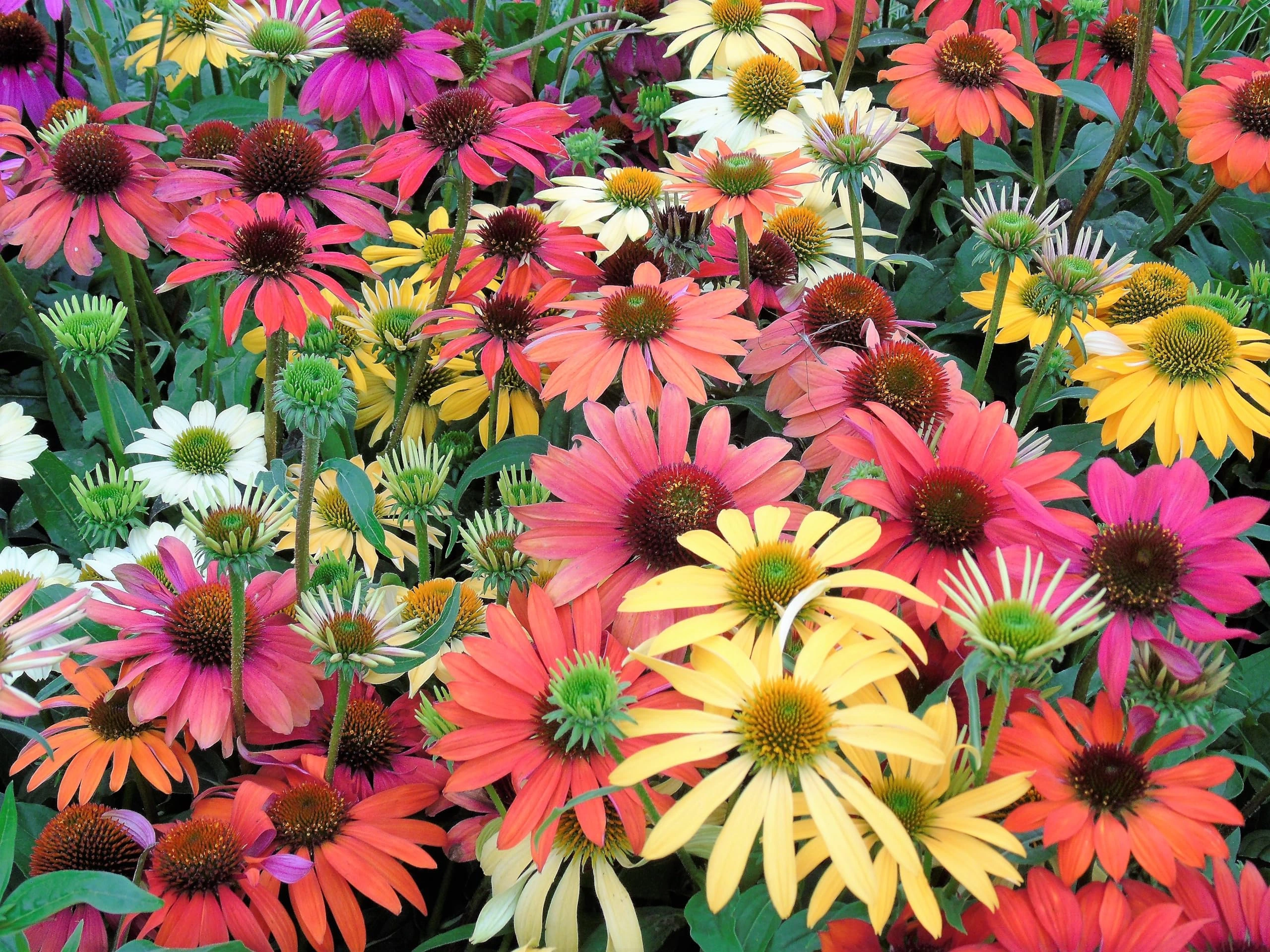
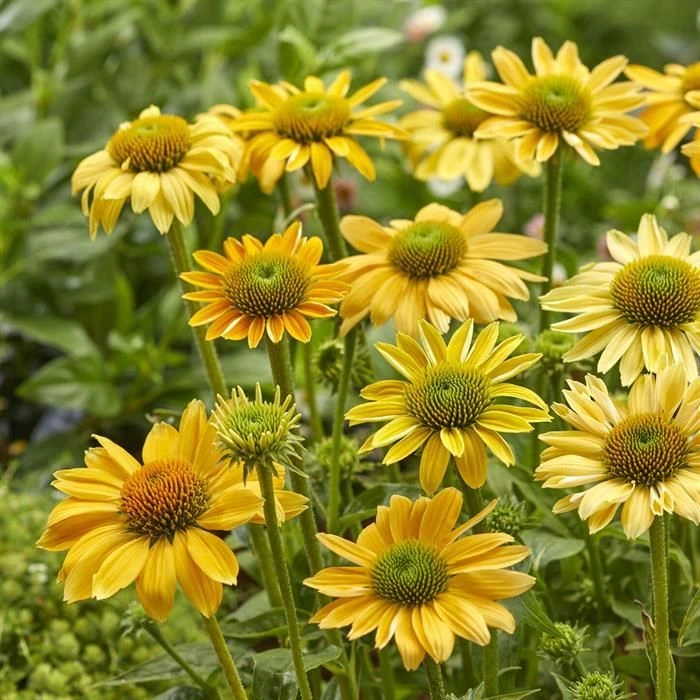
In addition to the classic pink-purple flowers, modern selections are available in white, cream, yellow, orange, red and many intermediate shades.
Why Echinacea Works So Well in a Summer Border
The flowering period is one of the main reasons I would use it.
Depending on the cultivar and local climate, Echinacea usually begins flowering during summer and can continue into early autumn.
That places it exactly in the part of the season when the garden needs plants capable of coping with high temperatures and strong sunlight.
The flowers also have enough visual strength to work well in both relaxed and more structured planting schemes.
What Echinacea Needs to Grow Well
The three things I would pay most attention to are light, drainage and enough room for air to move around the plant.
Echinacea prefers open, sunny positions. It can tolerate a little light shade, but with too little sun the plants may become looser, taller and less floriferous.
The soil does not need to be exceptionally rich. For me, it is much more important that the roots do not remain in constantly wet conditions.
Loose, reasonably fertile and well-drained garden soil is much better than heavy ground that stays wet for long periods after rain.
Echinacea can be very cold hardy, but the combination of cold weather and constantly wet soil can cause problems around the crown and roots.
Watering, Feeding and Seasonal Care
There is an important difference between a newly planted Echinacea and a well-established one.
After planting, I would maintain reasonably consistent moisture while the roots develop.
Once established, Echinacea can tolerate periods of drier soil, although prolonged extreme heat during flowering may still require additional watering.
“Drought tolerant” does not mean a flowering plant should be left completely without water through a long heatwave.
I would also keep feeding simple. In ordinary garden soil, a layer of compost or moderate organic feeding is usually enough.
Excessive nitrogen can encourage soft, vigorous growth instead of a strong, balanced plant.
Deadheading is optional and depends on the effect I want from the plant.
Removing some faded flowers may encourage additional flowering in certain cultivars, while leaving some seed heads gives the border structure later in the season and can provide seeds for birds.
This keeps the planting looking cleaner and may encourage more flowers.
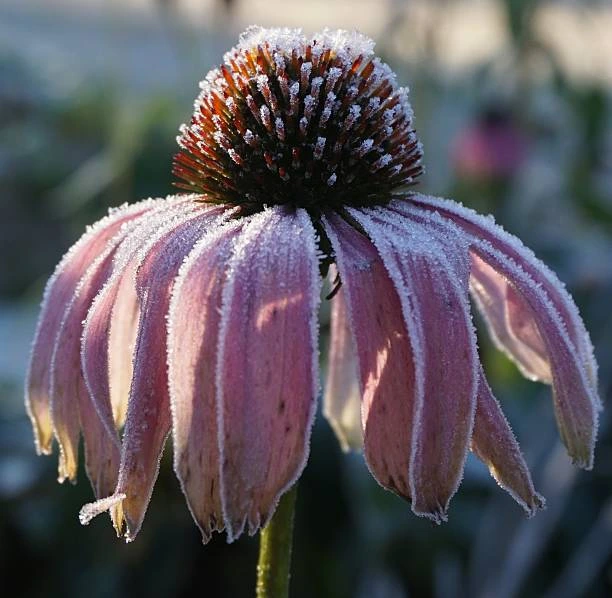
They add texture and can remain interesting after flowering has finished.
Dry stems can remain as part of the winter border.
In late winter or early spring, remove old dry stems before the new shoots become well developed.
The flowers are also valuable to bees, butterflies and other beneficial insects.
For me, that makes Echinacea more useful than a plant that offers colour alone.
A good perennial becomes even more valuable when it is beautiful for us and useful to life in the garden.
Common Mistakes When Growing Echinacea
Another common mistake is assuming that drought tolerance means a newly planted plant does not need regular watering.
The easier Echinacea becomes later on, the more worthwhile it is to help it establish properly in the beginning.
Are All Echinacea Cultivars Equally Long-Lived?
I would not make that promise.
Classic Echinacea purpurea and well-adapted selections can be very reliable.
But some heavily selected modern hybrids may behave differently.
Some are spectacular in colour, but may be more sensitive to wet winter soil or prove somewhat shorter-lived.
I would look not only at flower colour, but also at the reputation of the specific cultivar for vigour, hardiness and longevity.
How Echinacea Looks Through the Seasons
Where I Would Use Echinacea
For me, Echinacea looks best planted in groups rather than as a single specimen lost among many unrelated plants.
- in a sunny perennial border;
- in prairie-style planting;
- in a pollinator garden;
- in a naturalistic border;
- in larger groups around ornamental shrubs;
- as a cut flower.
I would pair it with plants that have similar needs for sunlight and drainage.
- Salvia;
- Rudbeckia;
- Verbena;
- Nepeta;
- Yarrow;
- Gaillardia;
- Sedum;
- other sun-loving perennials.
This avoids combining plants with completely different watering and light requirements in the same border.
- long summer flowering period;
- tolerates heat and temporary drought once established;
- attracts pollinators;
- useful as a cut flower;
- decorative seed heads;
- works in both naturalistic and contemporary planting.
- does not perform well in deep shade;
- dislikes prolonged waterlogging;
- may look modest during its first year;
- not all modern hybrids are equally long-lived;
- needs the right position to reach its full potential.
Why I Think Echinacea Is Worth Growing
Echinacea combines several qualities that are genuinely useful in a garden: strong summer flowering, resilience, good structure and value for pollinators.
It is adaptable to many temperate garden climates, as long as the site suits its basic requirements.
Hot summers and strong sunlight are generally not a problem once the plant is well established and receives additional water during prolonged drought.
In winter, I would pay more attention to drainage than to trying to protect the plant excessively from ordinary cold.
I would not say Echinacea can be planted anywhere and forgotten.
But when it receives the right position, it does not require us to keep correcting the conditions around it.
If I am looking for a perennial for a sunny border that flowers for a long time, tolerates summer heat and brings more life into the garden, Echinacea would definitely be high on my list.
The most important things are enough sunlight and well-drained soil. After that, care becomes relatively simple.
For me, that is the real value of Echinacea: not that it needs nothing, but that when the conditions are right, it gives much more than it asks in return.