Rudbeckia – Why Some Flowers Never Really Leave the Garden
Some plants are grown for a single season. We enjoy them for a few months and then begin thinking about what will replace them next year.
Others slowly become part of the garden itself.
Rudbeckia belongs to the second group.
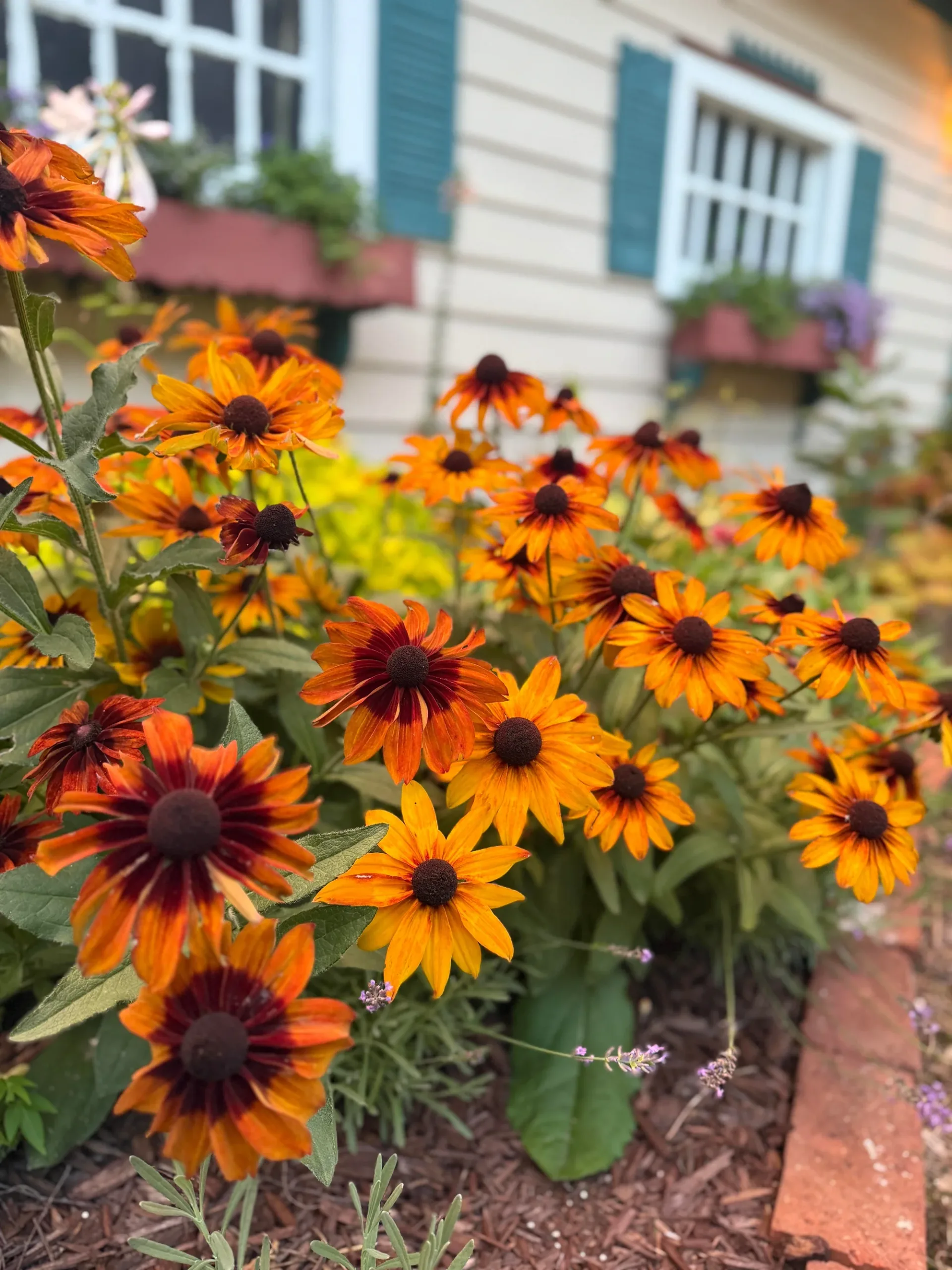
Most people first notice it because of its bright golden-yellow flowers. They are impossible to ignore during summer and early autumn. But the real reason so many gardeners love Rudbeckia goes far beyond its appearance.
It has a remarkable ability to stay.
Plant one today and, a few years later, you may discover new Rudbeckias growing in places you never planned. Their seeds find suitable spots, germinate naturally, and gradually turn the plant into a permanent part of the landscape.
“Some flowers visit the garden for a season. Others stay for years.”
The more gardens I visit, the more I appreciate plants that can find their own place. Rudbeckia is one of them.
What Is Rudbeckia?
Rudbeckia is a hardy perennial native to North America. It is best known for its bright yellow flowers and distinctive dark center, creating a striking contrast that can be recognized from a distance.
Over time, numerous cultivars have been developed, offering different heights, flower sizes, and color variations. However, the classic combination of golden petals and a dark center remains the most popular.
- hardy perennial plant;
- extremely long flowering season;
- self-seeds easily;
- attracts bees and butterflies;
- tolerates summer heat;
- works well in naturalistic and modern gardens.
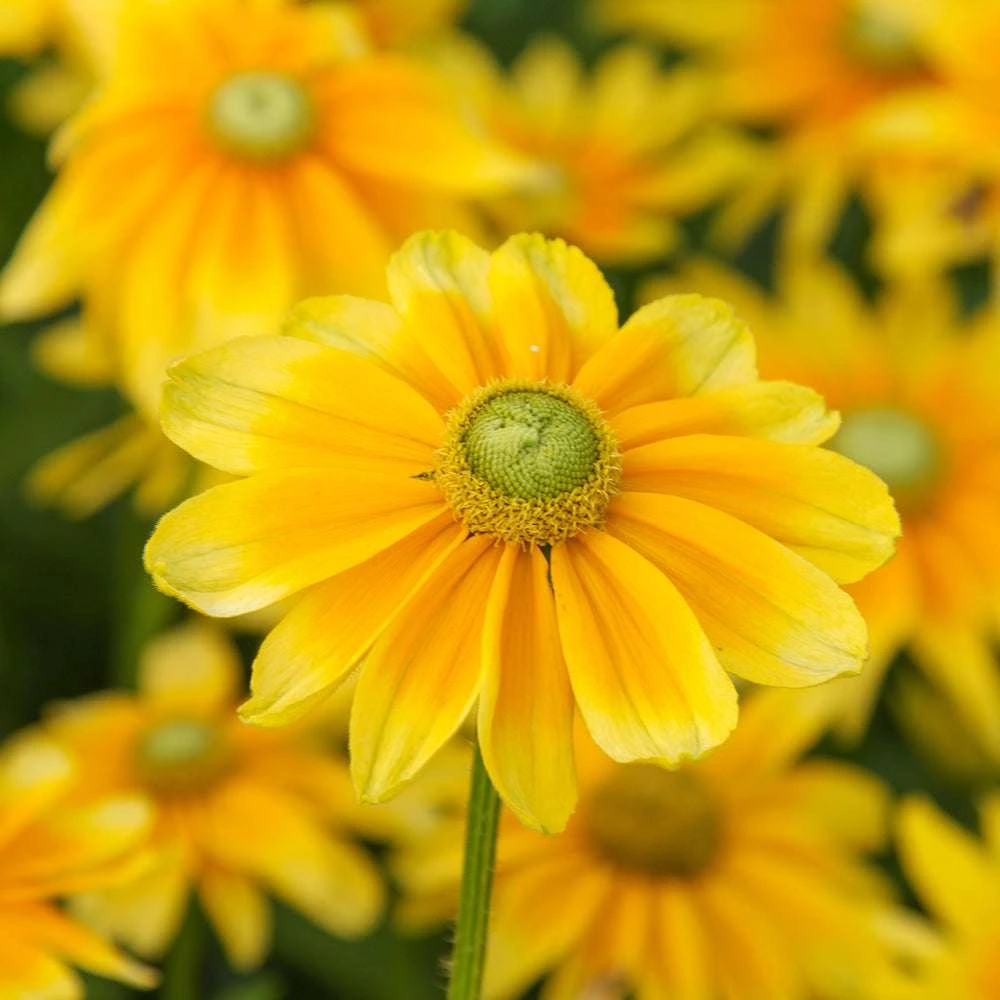
It is one of those plants capable of bringing life and energy to even the simplest garden border. Its flowers resemble small suns that brighten the landscape for months.
Why So Many Gardeners Plant Rudbeckia
There is more than one reason.
First comes the color. Few perennials can bring as much warmth and visual impact to a garden. When Rudbeckia reaches peak bloom, it practically lights up the surrounding space.
Second comes its character. This is a plant that rarely gives up. It tolerates heat, copes well with dry periods, and does not require constant attention.
- bright and long-lasting blooms;
- excellent pollinator attraction;
- easy to grow;
- natural self-seeding ability;
- good heat tolerance;
- perfect for naturalistic planting schemes.
Personally, I appreciate the fact that Rudbeckia never looks overly formal. It has a slightly wild personality that makes a garden feel more alive and authentic.
What Does Rudbeckia Need to Thrive?
Soil
One of the reasons Rudbeckia is so popular is its adaptability. It can grow successfully in a wide range of soil conditions and rarely becomes troublesome.
Like most ornamental plants, it performs best in well-drained, moderately fertile soil, but it is far more forgiving than many gardeners expect.
Sunlight
Rudbeckia loves sunshine. Full sun encourages the strongest flowering and the most compact growth.
It can tolerate partial shade, but the number of flowers is usually reduced.
Watering
Once established, Rudbeckia can handle relatively dry periods without difficulty. This makes it an excellent choice for gardeners seeking low-maintenance beauty.
“Rudbeckia loves sunshine but does not demand constant attention.”
Common Mistakes When Growing Rudbeckia
Although it is easy to grow, there are still a few mistakes worth avoiding.
- planting in too much shade;
- heavy, constantly wet soil;
- overcrowded planting schemes;
- insufficient sunlight;
- expecting maximum performance during the first year;
- removing every spent flower.
The last mistake is particularly interesting. If you would like Rudbeckia to reseed naturally, allow some flower heads to remain and develop seeds.
Many of the most beautiful natural drifts of Rudbeckia begin this way.
Does Rudbeckia Need Fertilizer or Treatments?
One of Rudbeckia’s greatest strengths is its simplicity. This is not a plant that requires a complicated feeding schedule or constant treatments.
In most gardens, adding compost in spring is enough to keep it healthy and vigorous.
Where soils are particularly poor, a balanced fertilizer can be applied once at the beginning of the growing season. However, excessive feeding often produces more foliage and fewer flowers.
As for pests and diseases, Rudbeckia is generally among the more resilient perennials. Most problems are linked to poor drainage or excessive moisture rather than the plant itself.
That is one of the reasons it remains such a favorite among gardeners looking for dependable performance.
How Rudbeckia Looks Throughout the Seasons
Spring
Fresh green foliage begins to emerge, preparing the plant for the growing season ahead.
Summer
This is when the show truly begins. Bright flowers gradually appear and quickly turn the plant into a focal point of the garden.
Autumn
For many varieties, autumn is the season of greatest impact. While other flowers begin to fade, Rudbeckia continues delivering vibrant color and energy.
Winter
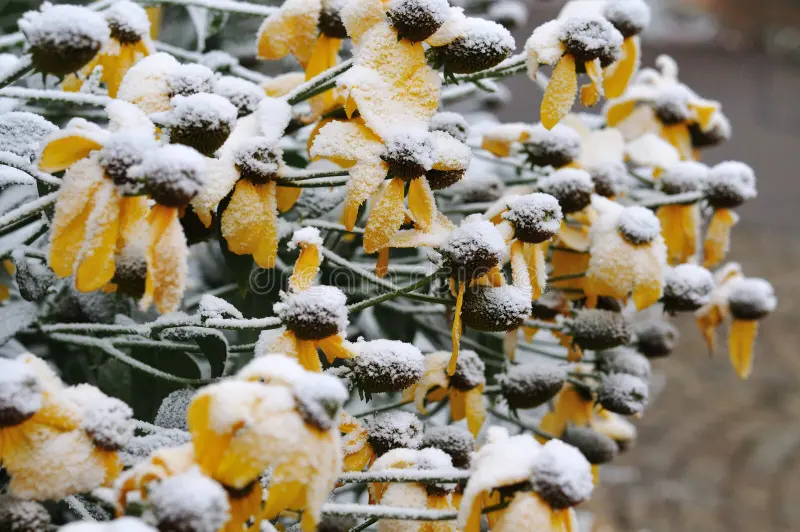
Even after flowering has finished, the seed heads remain attractive and often provide food for birds throughout the colder months.
This is one reason many gardeners choose not to remove spent flowers immediately.
Rudbeckia remains interesting long after its blooming period ends.
What Plants Would I Pair with Rudbeckia?
One of Rudbeckia’s strongest qualities is its ability to work beautifully with many other plants.
It looks equally at home in naturalistic planting schemes and more structured garden designs.
- Echinacea;
- Salvia;
- Lavender;
- Yarrow;
- Verbena;
- Gaillardia;
- Nepeta;
- ornamental grasses.
I particularly enjoy combining Rudbeckia with ornamental grasses. While the grasses provide movement and texture, Rudbeckia contributes bold color and visual energy.
The result is a planting combination that feels natural and remains attractive for months.
“The most beautiful gardens rarely rely on a single plant. They rely on great combinations.”
Advantages and Disadvantages of Rudbeckia
Advantages
- extremely long flowering season;
- easy to grow;
- attracts bees and butterflies;
- self-seeds naturally;
- excellent heat tolerance;
- requires minimal maintenance.
Disadvantages
- can spread more than expected;
- prefers sunny locations;
- some varieties benefit from division after several years.
Is Rudbeckia Suitable for Different Climates?
In my opinion, Rudbeckia is one of the easiest perennials to recommend.
It tolerates summer heat, handles periods of drought, and survives winter conditions remarkably well.
These qualities explain why it is so commonly found in both private gardens and public landscapes.
If a plant can still look impressive during the hottest weeks of summer without demanding constant care, it deserves a place in the garden.
Rudbeckia proves that year after year.
My Opinion on Rudbeckia
The more gardens I visit, the more I appreciate plants that find their own place.
Rudbeckia does exactly that.
It is not simply a flower for one season. It is a plant that gradually becomes part of the garden’s story.
Once established, it not only blooms every year but often creates new plants around itself, extending its presence naturally throughout the landscape.
If you are looking for a flower that combines bright beauty, resilience, and a natural ability to settle into the garden, Rudbeckia is one of the finest choices available.
“Some flowers come and go. Rudbeckia stays.”
