
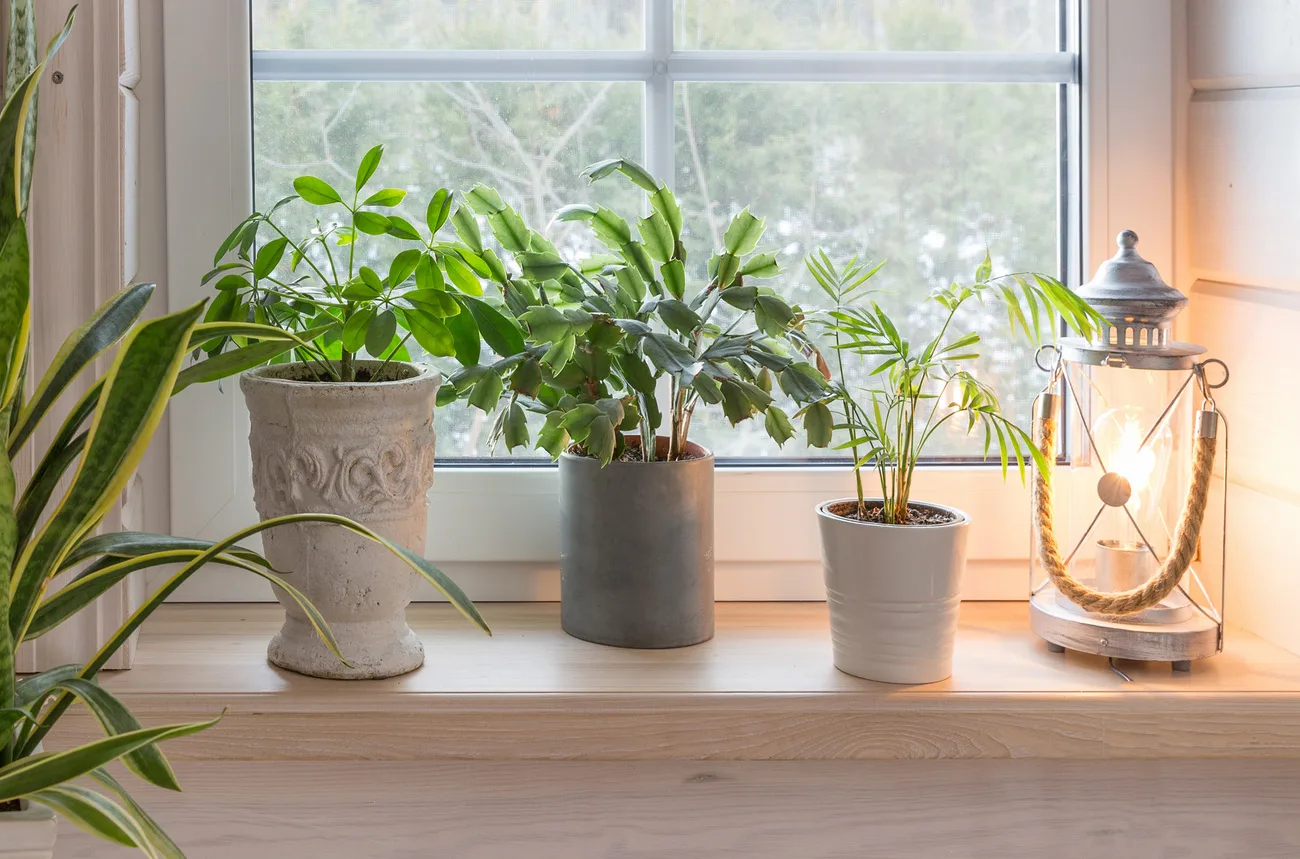
There is a small catch in the phrase “houseplants for low light.” No plant actually wants to live in the dark. Some are simply much more patient than others.
That is an important distinction, because we often see a beautiful plant in a store or on Pinterest, place it in the emptiest corner of the room, and then wonder a few months later why the leaves are turning yellow, growth has stopped, and the soil stays wet for days.
In low light, plants grow more slowly, use less water, and are much more likely to suffer from overwatering. Choosing the right species is only half the job. The other half is adjusting your care to the conditions in that particular spot.
If you are just beginning to choose plants for your home, start with our general guide to houseplants by light level, where plants are grouped according to light, watering needs, and room conditions.
A low-light houseplant is not a plant for a room with no light. It is a plant that tolerates limited light better than most.
What “low light” actually means
A dark corner of the room and a north-facing window are not the same thing.
For a plant, lower light usually means a place without strong direct sun, but where some natural daylight is still present during the day. A north-facing window, a spot several feet away from a window, or a room shaded by a neighboring building may all fall into this category.
A windowless hallway, a bathroom without natural light, or a shelf at the back of a dark room is a different situation. Even the most tolerant plant will gradually begin to struggle there unless you add suitable lighting.
A simple guideline: during the day, you should be able to read comfortably in that spot without turning on a lamp. If you cannot see well, the plant does not have much reason for optimism either.
ZZ plant - probably the most forgiving choice
If I had to choose one plant for someone with a darker room who does not want complicated care, I would probably start with a ZZ plant.
It tolerates lower light, grows slowly, and stores water in its thick underground rhizomes. That is exactly why the main problem is usually not a lack of water, but too much enthusiasm.
In a darker location, the soil may stay damp for a long time. Do not water a ZZ plant according to a schedule. Wait until the potting mix has dried well.
For detailed advice on light, watering, soil, and common problems, read How to Grow a ZZ Plant Indoors.
Snake plant - for people with normal lives
The snake plant is another classic choice for a room with limited light. It can also live in a very bright spot, but it tolerates conditions that cause many other plants to stretch or lose leaves.
There is one catch here as well: the less light it receives, the less water it uses.
A snake plant beside a north-facing window does not need the same watering routine as one growing at a brightly lit south-facing window. When you are unsure whether to water, it is usually better to wait a little longer.
Read more in How to Grow a Snake Plant Indoors.
Aspidistra - old-fashioned for a very good reason
Aspidistra does not have the fame of a monstera, and it does not appear in every other interior photograph. But it has one major advantage: imperfect conditions rarely impress it.
It tolerates lower light, relatively infrequent watering, and does not demand constant attention.
That makes it a good choice for a cooler room, a hallway near a window, or a space that does not receive enough light for more demanding tropical plants.
Growth will be slower in low light. That does not necessarily mean there is a problem.
Read the complete guide here: How to Grow Aspidistra Indoors.
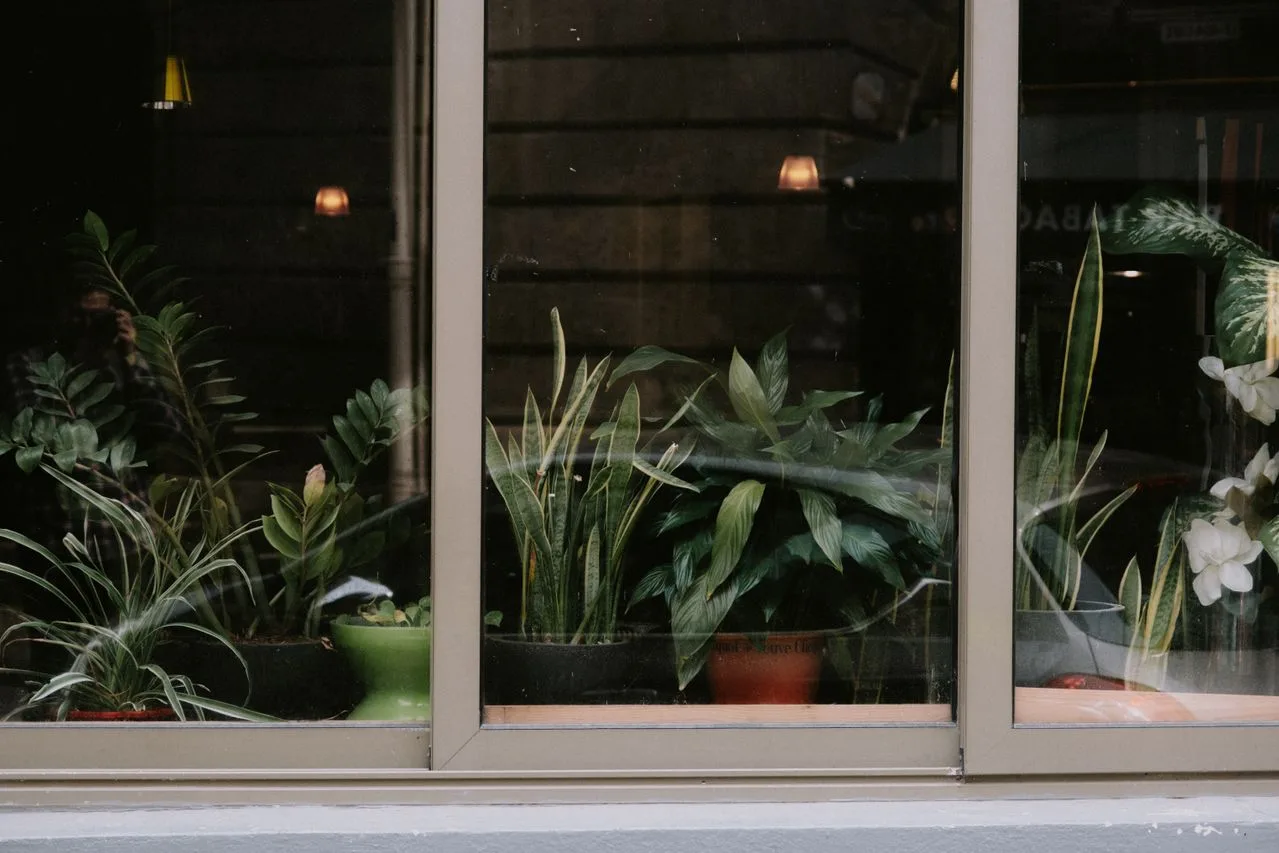
Aglaonema - more color for a darker room
Aglaonema is a good compromise when you do not want every low-light plant to be plain dark green.
Many varieties have patterned, silver, cream, or pink-tinged leaves. There is one general rule, however: the more colorful the variety, the more light it will usually need to maintain that color.
Green-leaved aglaonemas generally cope better with lower light. The plant does not like the combination of cold temperatures and wet soil, so be especially careful if it stands near a cold window.
Read more in How to Grow Aglaonema Indoors.
Dracaena - good for a corner, but not complete darkness
Dracaenas are common office plants, and there is a reason for that. Some varieties tolerate moderate and lower levels of indirect light reasonably well.
That makes them useful in rooms where there is no windowsill or available space immediately beside a window.
I would not place a dracaena in a completely dark corner. It will gradually lose its good shape and grow increasingly slowly. It also dislikes constantly wet potting mix, which becomes especially important in lower light.
Read more in How to Grow Dracaena Indoors.
This post may contain affiliate links. As an Amazon Associate, I earn from qualifying purchases.
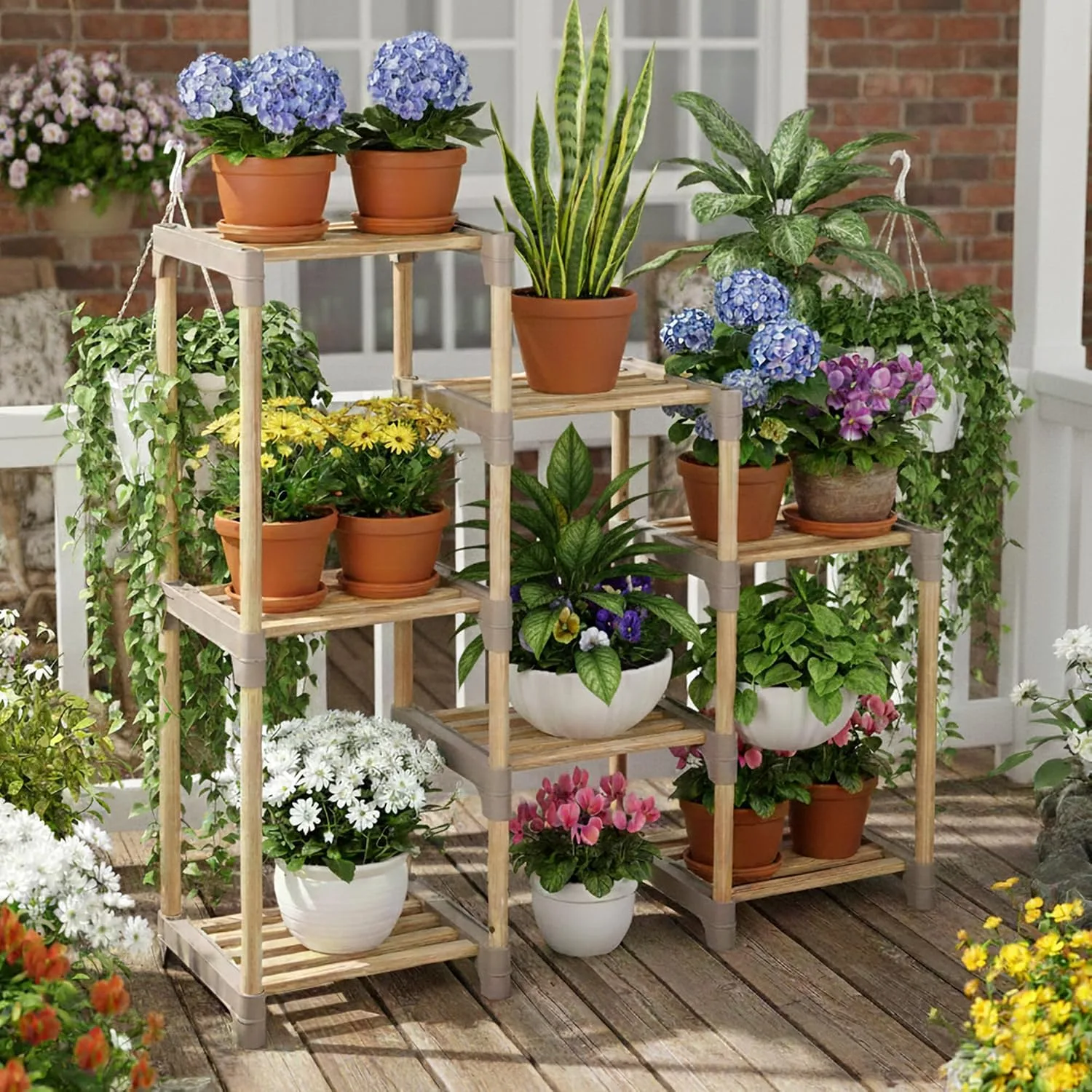
A tiered stand that helps more plants reach the light
In a room with limited daylight, the challenge is often not the total amount of floor space, but how the plants are positioned. A multi-level stand can lift smaller pots above furniture and arrange them at different heights, so fewer leaves are hidden behind larger plants.
This seven-tier wood plant stand is designed for indoor or outdoor use and provides several levels for displaying pots. It can be useful beside a bright window, where tolerant plants such as snake plants and ZZ plants can stay on the lower levels while pothos or a more colorful aglaonema receives the brighter position.
Always arrange the pots according to the actual light reaching each shelf. A plant stand organizes the collection, but it cannot turn a dark corner into a bright one.
Pothos - when you want something that trails beautifully
Pothos is not a plant for a truly dark room, but it is a good choice for moderate to lower indirect light.
It has another advantage as well. You can let it trail from a shelf, train it up a support, or use it in a green corner where there is no space for a large floor pot.
In lower light, variegated varieties may become greener, and the spaces between the leaves may increase. That is a useful sign that the plant would prefer a slightly brighter position.
Read more in How to Grow Pothos Indoors.
Peace lily - it tolerates low light, but it has opinions
The peace lily is often sold as a plant for dark rooms. It is more accurate to say that it tolerates lower light.
It may survive and remain green, but if you expect regular blooms, brighter indirect light makes a difference.
It also prefers more moisture than a ZZ plant or snake plant. Fortunately, it is quite theatrical and usually makes its thirst obvious. The leaves droop as though the situation is hopeless, and then often recover surprisingly quickly after watering.
Read more in How to Grow a Peace Lily Indoors.
Plants I would not place in a dark spot
Knowing what not to choose is just as important.
Succulents, aloe vera, and most cacti are not plants for a dark room. They may look fine for a while because they grow slowly and store water, but they will gradually begin to stretch and lose their natural shape.
Monstera, rubber plant, and hoya may tolerate some distance from a window, but they look and grow much better in bright indirect light.
A Phalaenopsis orchid is also not a good choice for the darkest spot, especially if you want it to bloom again.
The biggest low-light mistake is watering
It sounds contradictory, but plants in darker rooms are more likely to suffer from too much water than from too little.
In low light:
- photosynthesis slows down;
- growth becomes slower;
- the plant uses less water;
- the soil takes longer to dry.
Meanwhile, we often continue watering “every Sunday” because that is our usual routine.
Do not do that. Check the soil, lift the pot and notice its weight, and observe the leaves. Watering should follow the conditions, not the calendar. For a larger ZZ plant, snake plant, or aspidistra that is difficult to lift, a set of THYOI rolling acacia wood plant caddies makes it easier to move the pot closer to a brighter window during the darker months and return it to its usual position later.
How to provide more light without rearranging half the living room
Sometimes the difference between “too dark” and “perfectly acceptable” is only three feet.
Move the plant closer to the window. Pull back a heavy curtain. Wipe dust from the leaves. During the darker months, use the brightest suitable place available.
If the room genuinely does not receive enough natural light, then it may be worth considering a grow light.
A grow light is a solution to a real problem, not a compulsory accessory for every pot in the house.
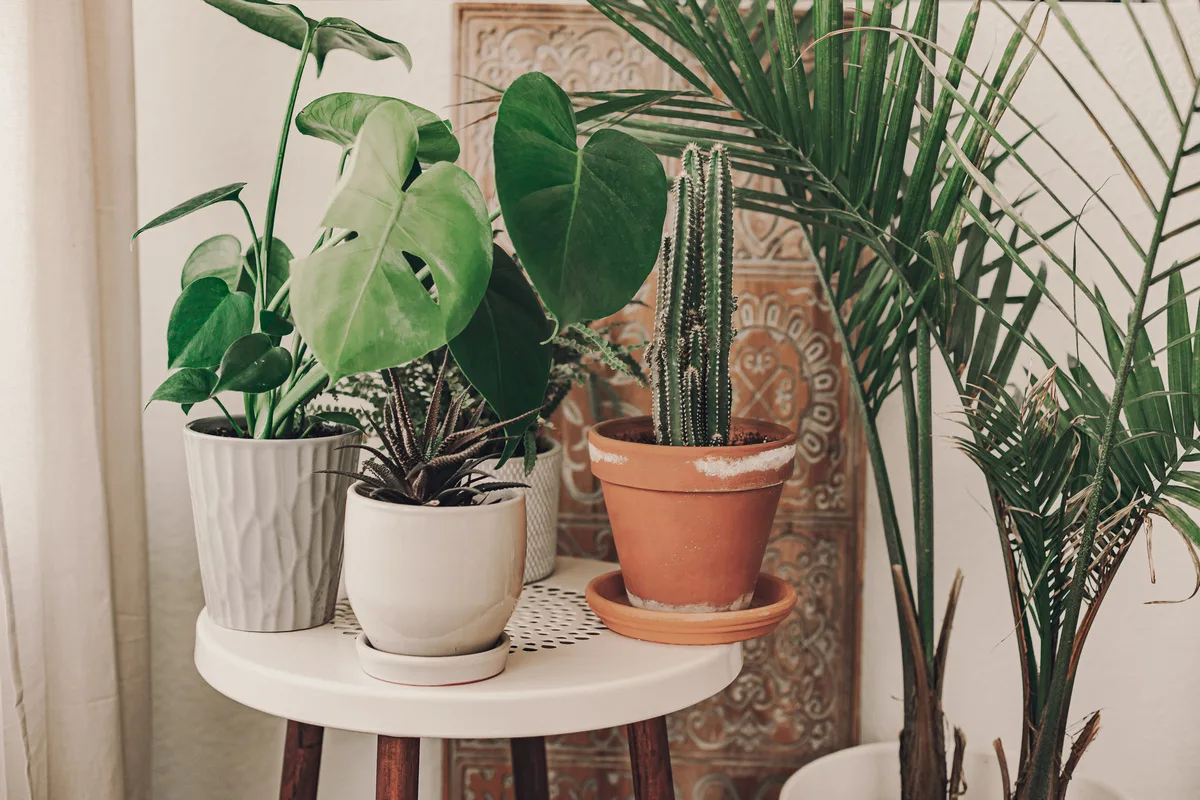
My five safest choices
ZZ plant
The best choice if you sometimes forget to water and want uncomplicated care.
Snake plant
A good choice if you want very easy care and a drier watering routine.
Aspidistra
Suitable for a cooler room that does not receive much natural light.
Aglaonema
A good option when you want more interesting leaves and a little extra color.
Pothos
A practical choice for a shelf, plant stand, or hanging pot.
Not because these plants are indestructible, but because they leave a little more room for ordinary mistakes.
And that may be the most useful quality an easy houseplant can have.