
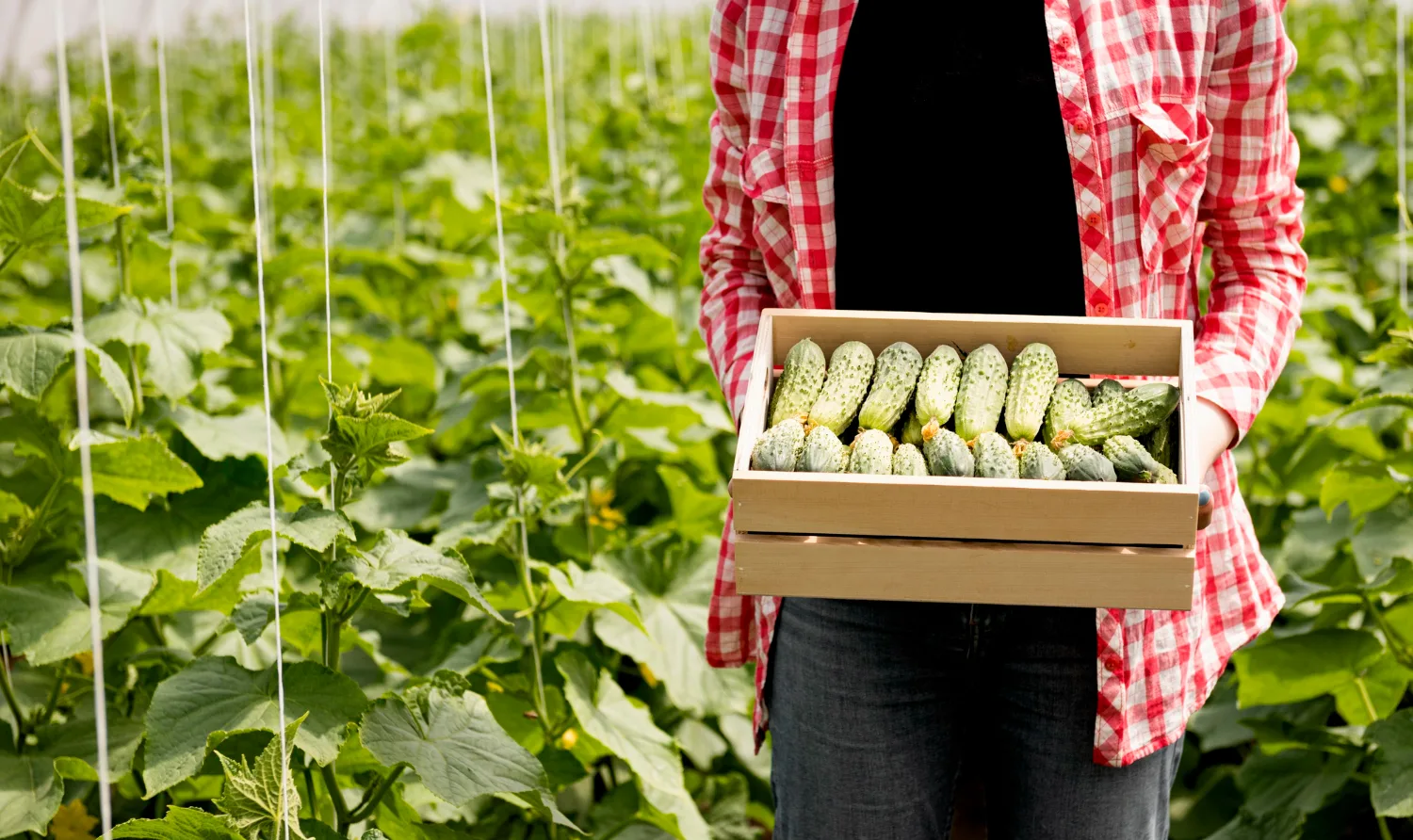
Cucumbers are among the most popular vegetables in the home garden. They grow quickly, produce generously and, under good conditions, can keep yielding for many weeks.
They are also sensitive to sudden changes: cold soil, prolonged drought, waterlogged conditions and large fluctuations in soil moisture.
With cucumbers, success rarely comes from complicated care. Warm soil, consistent moisture, enough space and regular harvesting matter much more.
Cucumbers grow quickly, but that also means they react quickly when growing conditions are not quite right.
Choose a Warm and Sunny Location
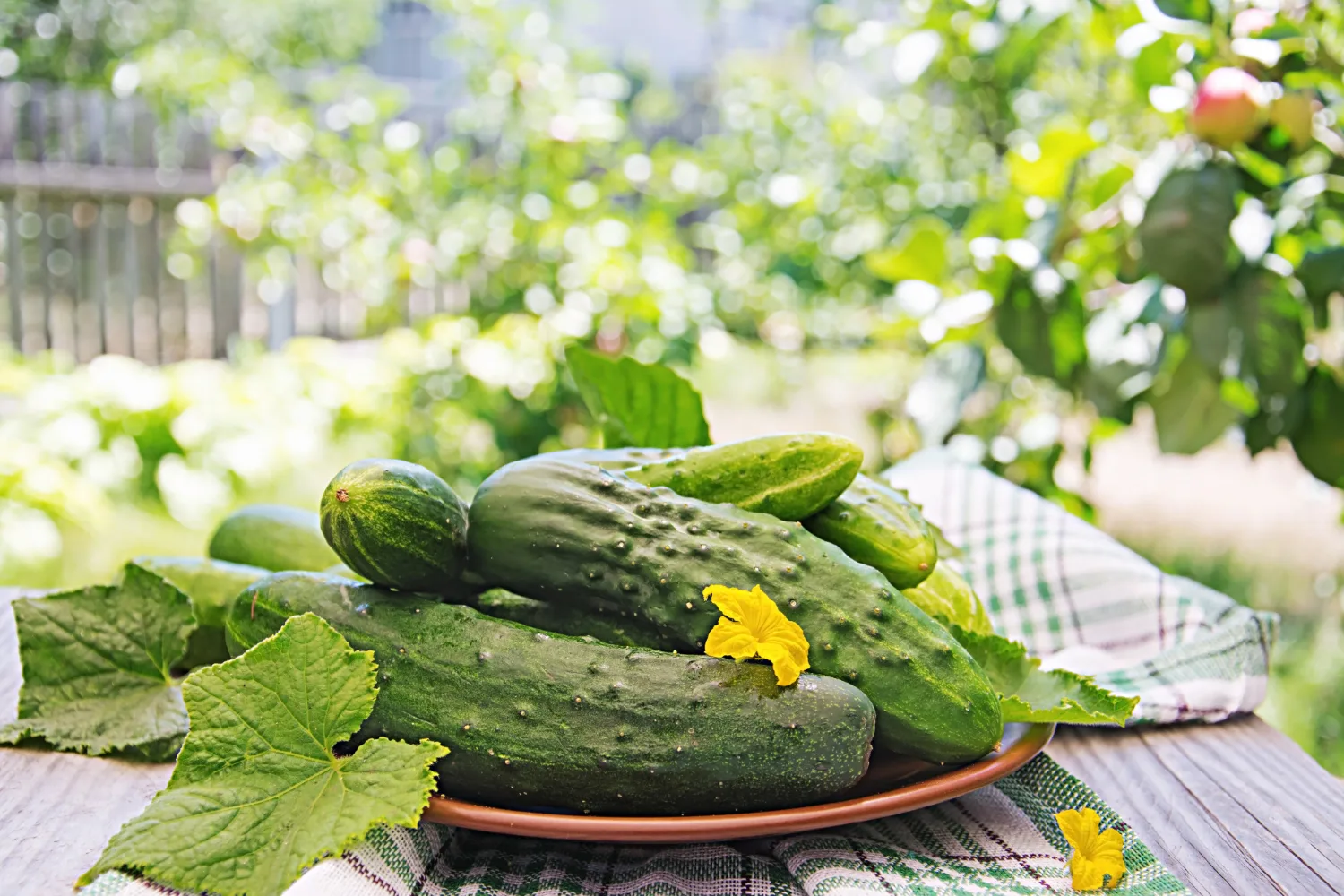
Cucumbers are warm-season plants and grow best in a sunny, sheltered location.
Too little light usually results in weaker growth and fewer fruits. At the same time, the site should have enough airflow to help foliage dry reasonably quickly.
The Soil Should Hold Moisture but Drain Well
Cucumbers prefer loose, fertile soil with plenty of organic matter and good drainage.
The balance matters: the soil should retain enough moisture, but the roots should not remain in constantly saturated conditions.
Well-finished compost can improve both soil structure and water-holding capacity.
| Soil condition | Why it matters | What helps |
|---|---|---|
| Good drainage | Reduces the risk of water remaining around the roots. | Loose structure and properly prepared beds. |
| Organic matter | Supports moisture retention and soil structure. | Compost and well-decomposed organic materials. |
| Warm soil | Helps young plants establish quickly. | Wait until the soil has warmed sufficiently before planting. |
| Consistent moisture | Reduces stress during growth and fruit production. | Regular watering and mulch. |
When and How to Plant Cucumbers
Cucumbers should be planted outdoors after the risk of late frost has passed and the soil is adequately warm.
When planted too early, young plants often stall, turn pale and recover slowly.
Avoid crowding the plants. Adequate spacing improves light, harvesting access and air circulation.
- Plant after the danger of frost has passed.
- Wait until the soil has warmed.
- Avoid planting too closely.
- Water thoroughly after planting.
- Install support early if you plan to grow the vines vertically.
For cucumbers, soil temperature matters more than a particular date. During a cold spring, waiting a few extra days is often better than planting too early.
Grow Them Vertically or Let Them Trail
Cucumbers can be grown along the ground or trained vertically on netting, a trellis or another support.
Vertical growing is especially useful in smaller gardens because it saves space and makes harvesting easier.
Watering Is the Most Important Regular Task
Cucumbers have a relatively shallow root system and react quickly when water becomes limited.
During flowering and fruit development, sharp swings between dry and saturated soil can stress the plants.
The aim is not to keep the soil constantly wet, but to maintain reasonably even moisture.
With cucumbers, consistent soil moisture is usually more important than simply giving a large amount of water at once.
- Water directly around the root zone.
- During hot weather, check the soil more frequently.
- Avoid prolonged waterlogged conditions.
- Mulch to reduce evaporation.
- When possible, water in the morning.
How to Feed Cucumbers During Fruiting
Cucumbers grow quickly and can produce a large number of fruits, so their nutrient requirements increase during the season.
If the soil was well prepared with organic matter, plants have a strong start. During active fruiting, additional feeding may be useful depending on plant condition and soil fertility.
Excess nitrogen can encourage large amounts of foliage at the expense of flowering and fruiting. Feed moderately and according to the product label.
- Begin with soil rich in organic matter.
- Feed moderately during active fruiting.
- Avoid excessive nitrogen.
- Watch leaf color and overall plant growth.
- Check watering first before assuming the plant needs fertilizer.
Flowering, Pollination and Poor Fruit Set
Some cucumber varieties produce separate male and female flowers. Early in the season, plants may produce more male flowers, which does not automatically mean something is wrong.
In varieties that depend on pollination, limited pollinator activity can lead to poor fruit set or misshapen cucumbers.
There are also parthenocarpic varieties that can form fruit without pollination and are often used in protected growing systems.
Why Cucumbers Sometimes Taste Bitter
Bitterness in cucumbers is associated with compounds called cucurbitacins. Genetics plays a role, but environmental stress can also contribute in sensitive varieties.
Prolonged drought, very high temperatures, large temperature swings and other stressful conditions may increase the problem.
Irregular watering can contribute to plant stress, but variety, temperature and overall growing conditions also matter.
Common Cucumber Problems
Some cucumber problems are caused by disease, but many symptoms can also appear when growing conditions are out of balance.
| Problem | Possible cause | What to check first |
|---|---|---|
| Bitter fruit | Stress, variety sensitivity, drought or temperature extremes. | Watering, temperatures and recent weather conditions. |
| Yellowing leaves | Nutrient imbalance, waterlogged soil, aging leaves or disease. | Which leaves are affected and how wet the soil is. |
| Poor growth | Cold soil, insufficient light or root problems. | Temperature, sunlight and drainage. |
| Many flowers, few cucumbers | Poor pollination, temperature stress or a variety-related issue. | Variety type, pollinator activity and temperatures. |
| Rotting | Excessive moisture or disease. | Drainage, watering frequency and visible symptoms. |
Harvest Regularly to Keep Plants Producing
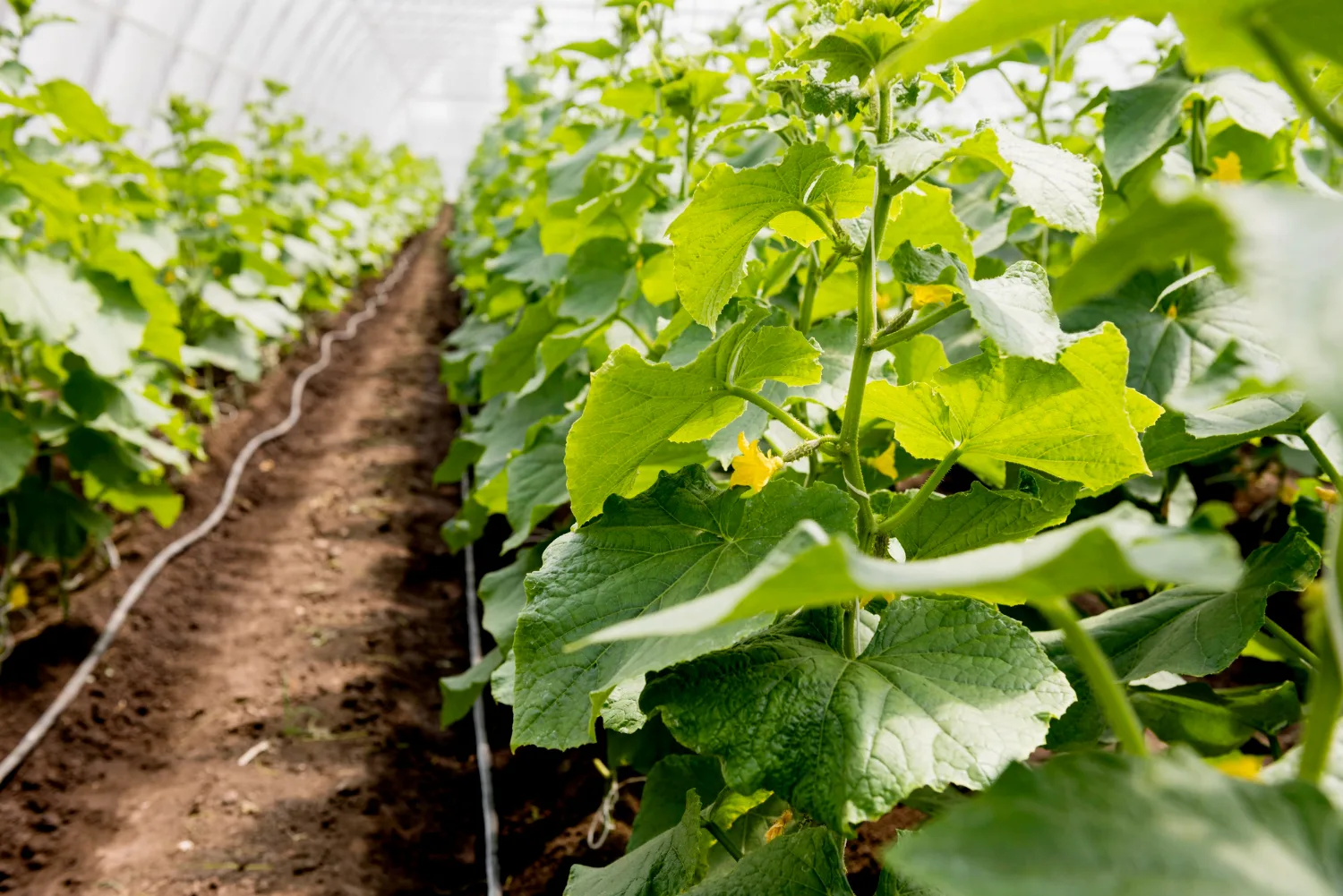
Cucumbers grow quickly, and during active production plants should be checked often.
If fruits are left on the vine too long and become overmature, this can reduce continued fruit production.
Frequent harvesting is one of the simplest ways to keep cucumber plants productive.
Common Growing Mistakes
Cucumbers are productive plants, but they perform best under consistent conditions.
Plant them in warm, well-drained soil, provide plenty of sunlight, maintain even moisture and avoid overcrowding.
Feed moderately, watch the foliage and harvest regularly. With these basic habits, cucumber plants can produce for a long period and give an excellent harvest even in a relatively small garden.