
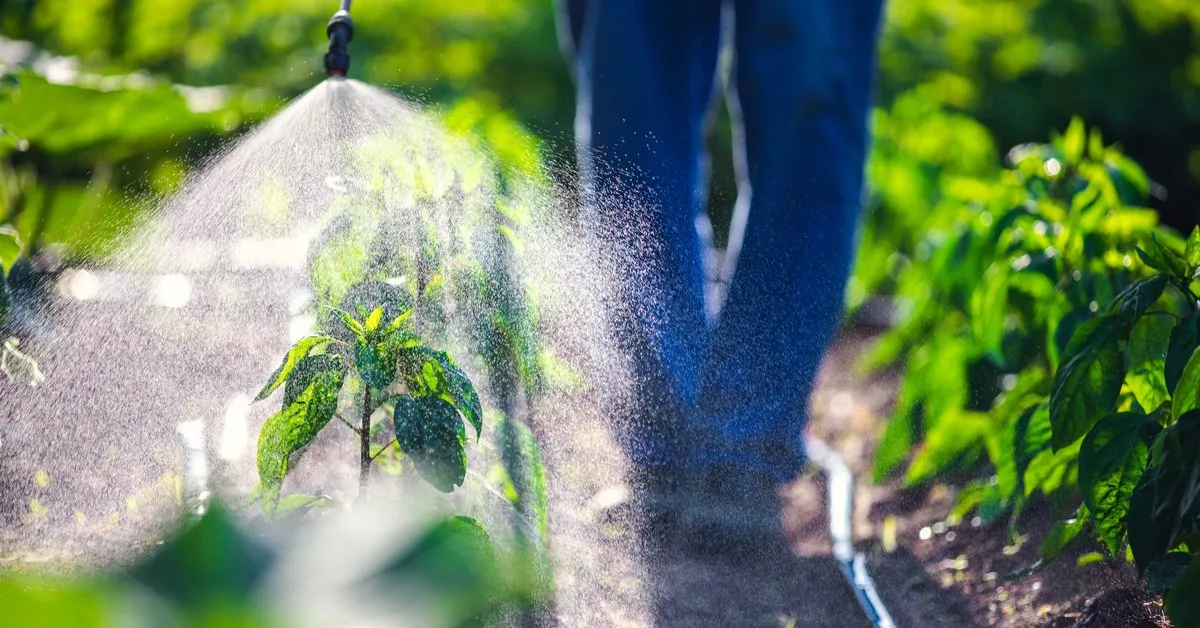
How to Spray Garden Plants Correctly: A Practical Guide for Home Gardeners
Spraying garden plants can be useful when it is done for the right reason, at the right time and with the right technique. But many problems in home gardens are not caused by the product itself. They are caused by how the product is used.
Spraying in strong sun, using too much product, choosing the wrong type of spray or missing the underside of leaves can make a treatment ineffective. In some cases, it can even stress or damage the plant.
The goal is not to spray more. The goal is to spray only when needed, with good coverage, correct timing and full respect for the product label.
“The effect of spraying depends less on the strongest product and more on the right technique.”
When Should You Spray Garden Plants?
Timing is one of the most important parts of plant protection. The best results usually come when you act preventively during high-risk conditions or at the earliest visible stage of a pest or disease problem.
Spraying too late often gives disappointing results. A fungal disease that has already spread through the plant, or a pest colony that has multiplied for weeks, is much harder to manage than a small early problem.
Best time of day:
Spray early in the morning or in the evening, when temperatures are lower, sunlight is weaker and wind is calm. This reduces evaporation, improves coverage and lowers the risk of leaf burn.
When Not to Spray
Knowing when not to spray is just as important as knowing when to spray. Poor timing can reduce the effect of the treatment and increase the risk to plants, pollinators and the surrounding environment.
- do not spray in strong sun or high heat;
- do not spray when plants are drought-stressed or wilting;
- do not spray in windy weather;
- do not spray before heavy rain unless the label specifically allows it;
- avoid spraying open flowers when pollinators are active;
- do not mix products unless the labels clearly allow it.
Main Types of Spraying in the Home Garden
In a home garden, spraying usually falls into three broad categories: prevention, treatment and foliar feeding. Each has a different purpose and should be used with a different mindset.
| Type of spray | Purpose | Important note |
|---|---|---|
| Preventive spraying | reducing the risk of disease or pest outbreaks | used before serious symptoms appear, usually during high-risk conditions |
| Corrective treatment | controlling an existing pest or disease problem | requires correct identification and early action |
| Foliar feeding | supplying nutrients through the leaves | requires careful dilution to avoid leaf burn |
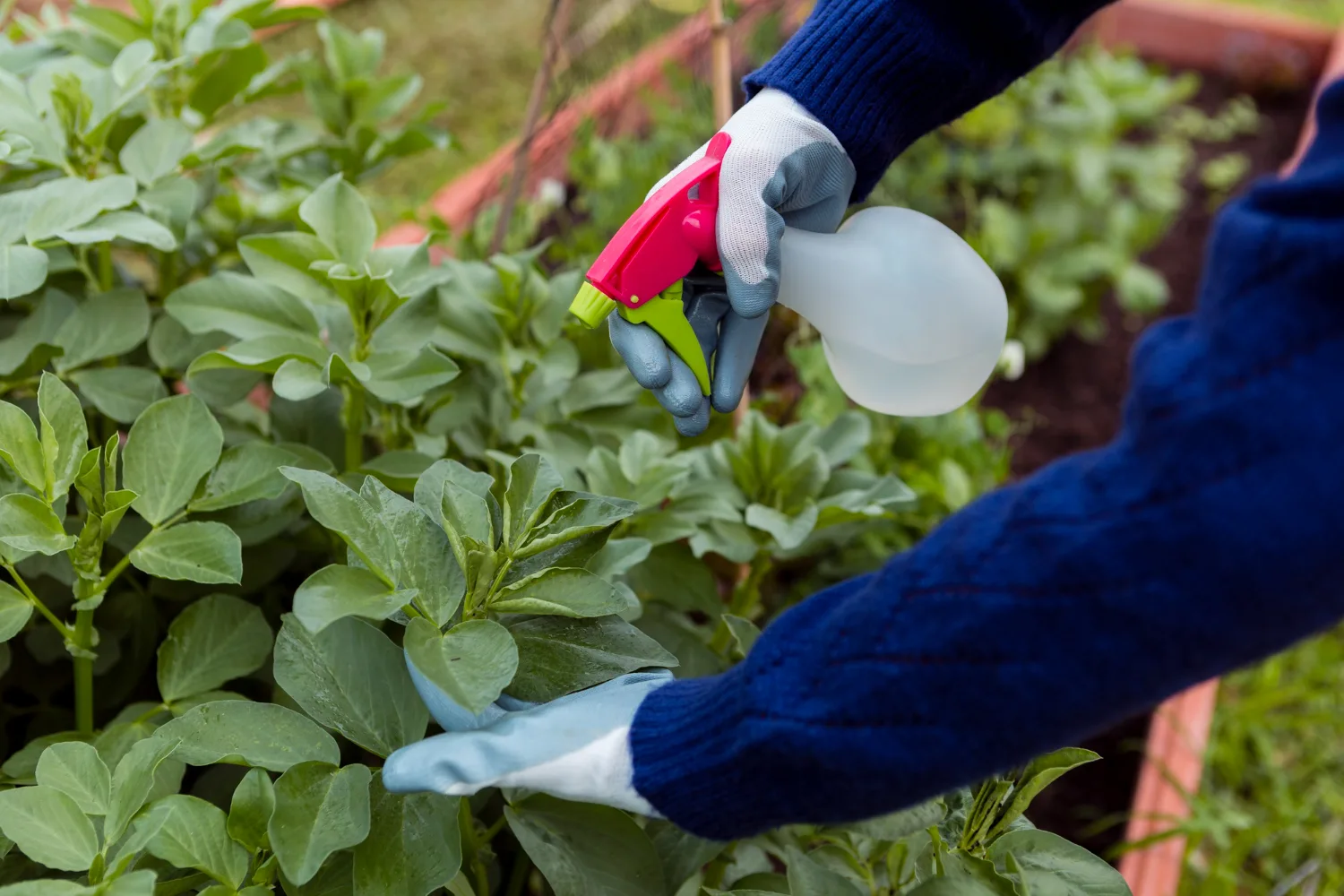
The Most Common Spraying Mistakes
Many garden problems become worse because of poor spraying technique, not because a gardener failed to choose a strong enough product.
One of the most common mistakes is increasing the dose because “more must work better.” In reality, too much product can burn leaves, stress the plant, harm beneficial insects or leave residues above what the label allows.
- spraying during heat or strong sunlight;
- using more product than the label allows;
- mixing incompatible products;
- spraying only the top of the leaves;
- not reaching the growing tips or inner canopy;
- spraying without identifying the problem;
- expecting one treatment to solve every pest or disease.
How to Spray Correctly
Correct spraying means applying an even, fine layer of solution to the parts of the plant where the pest, disease or deficiency is actually present. In many cases, that means the underside of leaves, new shoots, stems, buds or the inner canopy.
The aim is usually good coverage, not dripping runoff. Excessive runoff wastes product and can increase the risk of contamination around the plant.
Always measure carefully. Use the dose and dilution rate on the label. Do not estimate by eye, and do not assume that a stronger mixture is more effective.
Choosing the Right Sprayer
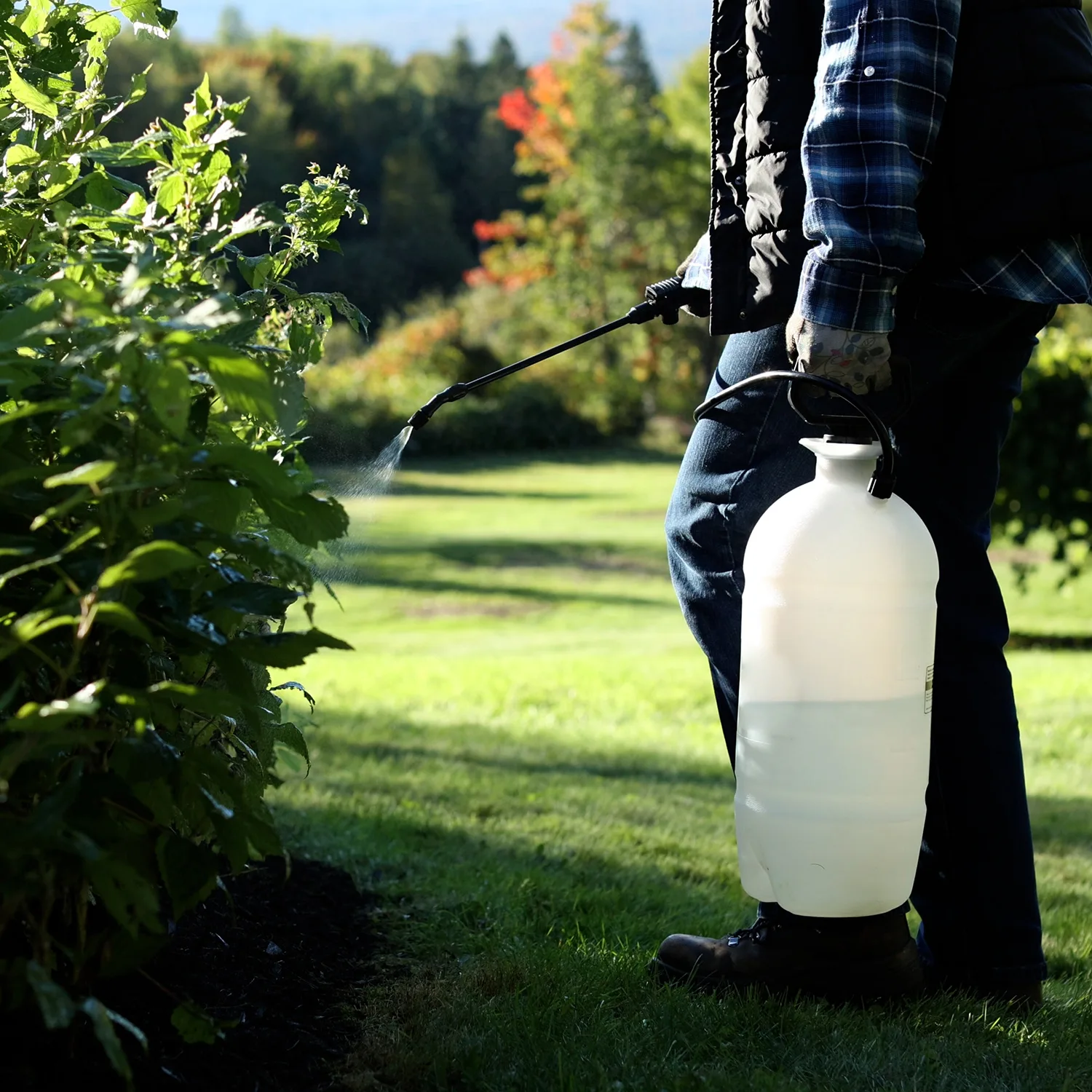
For a few pots or small plants, a simple hand sprayer may be enough. For larger borders, vegetable beds, fruit trees or repeated seasonal treatments, a backpack sprayer or battery-powered sprayer can make the work easier and more consistent.
Battery-powered sprayers are useful because they keep a more stable pressure than manual pumping. This helps create a more even spray pattern and reduces fatigue, especially in medium-sized gardens.
A practical option for this type of work is a battery-powered garden sprayer, especially if you regularly treat fruit trees, vegetable beds or ornamental borders. See a suitable battery-powered garden sprayer.
Safety Before Spraying
Safety matters as much as effectiveness. Even products sold for home gardens can cause problems if they are used incorrectly. This applies to synthetic products, organic-approved products, oils, soaps, foliar feeds and homemade mixtures.
Before spraying, read the label carefully. Check the crop or plant, pest or disease, dose, dilution rate, timing, protective equipment, re-entry period, pre-harvest interval and any warnings about pets, children, water, wildlife or pollinators.
Read the Label First
The label is the main authority for safe and legal use. A product must be labelled for the plant, pest or disease, application method and timing you plan to use.
If you are unsure, ask a local garden centre, extension office, master gardener programme or qualified horticultural adviser before applying anything.
Fungicide Sprays
Fungicides are used for plant diseases such as powdery mildew, scab, blight, rust and leaf spots. They are usually most effective when used preventively or at the earliest stage of disease development.
Insecticidal Sprays
Insecticides, insecticidal soaps and horticultural oils may be used against pests such as aphids, whiteflies, caterpillars or thrips. Correct pest identification is essential before choosing a product.
Mite Treatments
Spider mites are not insects, so they may require specific mite products, horticultural oils or soaps labelled for mite control. General insect sprays are not always effective and can sometimes reduce natural predators.
Foliar Feeds
Foliar feeding is not pest control, but it is often applied with a sprayer. Use it only when appropriate, because over-concentrated nutrient sprays can burn leaves.
Horticultural Oils and Soaps
Oils and soaps can help with some soft-bodied pests, but they rely on direct contact and good coverage. Avoid applying them in hot sun or to drought-stressed plants unless the label says it is safe.
Biological Products
Some biological products contain beneficial organisms or naturally derived active ingredients. They still need correct timing, proper storage and label-compliant use to work well.
Practical Spraying Table
Correct spraying does not depend only on the product. It depends on timing, coverage, diagnosis, weather and the condition of the plant. The table below summarises the most common situations and the safest approach.
| Problem | Best approach |
|---|---|
| Spraying in hot weather or direct sun | Avoid it. Spray early in the morning or in the evening when temperatures are lower and sunlight is weaker. This reduces leaf burn, evaporation and stress. |
| Poor coverage on the plant | Spray evenly and reach the parts where the problem is active, including the underside of leaves, new shoots and inner canopy. Do not simply wet the top surface of the plant. |
| Using too much product | Always follow the label. A higher dose does not mean better control and may cause leaf burn, plant stress, residues or environmental harm. |
| No effect after spraying | Check whether the problem was identified correctly, whether the product was labelled for it, whether coverage was good and whether repeat timing is required by the label. |
| Spraying edible crops | Check the pre-harvest interval before applying any product. Do not harvest or eat treated crops until the required waiting period has passed. |
| Spraying near flowering plants | Avoid spraying when bees and other pollinators are active. Choose timing and products carefully, especially around open flowers. |
| Prevention during high-risk conditions | Preventive spraying may be useful during high-risk periods, but it should be combined with pruning, airflow, correct watering and regular observation. |
Key principle
The most effective spray is not the strongest one. It is the one used at the right time, for the right problem, with the right coverage and according to the label.
After Spraying
After spraying, clean the equipment according to the product label. Do not pour leftover solution into drains, ponds, streams or soil where it may contaminate water or harm wildlife.
Store products in their original containers, away from children, pets, food and animal feed. Never transfer garden chemicals into unlabelled bottles or household containers.
Conclusion
Correct spraying in the home garden is a combination of timing, diagnosis, dosage, technique and safety. When these factors are balanced, treatments are more effective and less stressful for the plants.
The most important habit is to think preventively, not reactively. A healthy garden with good airflow, balanced nutrition and regular observation needs fewer interventions.
When spraying is necessary, do it carefully, legally and with respect for the living system around the plant.
Related Plant Protection Topics in Biogardn
- Plant Protection in the Home Garden: Diseases, Pests and Prevention
- Powdery Mildew: How to Recognize and Control It
- Aphids: Natural and Conventional Solutions
- Spider Mites on Plants: Why They Appear During Hot Weather
- Apple and Pear Scab: How to Identify and Prevent It
- Slugs in the Garden: How to Control Them Safely

