Wood ash in the garden: when it helps and when it can harm
Wood ash is one of the oldest natural materials used in gardening. Long before modern fertilizers existed, people used ash from stoves and fireplaces to improve soil and feed plants.
Today many gardeners still use it, but the question often arises whether it is truly beneficial for all crops. The answer is more complex. Ash can be a valuable source of potassium and minerals, but improper use can disrupt soil balance.
“Wood ash is not a universal fertilizer. It is a useful helper when we know where, when, and how much to use.”
What wood ash contains
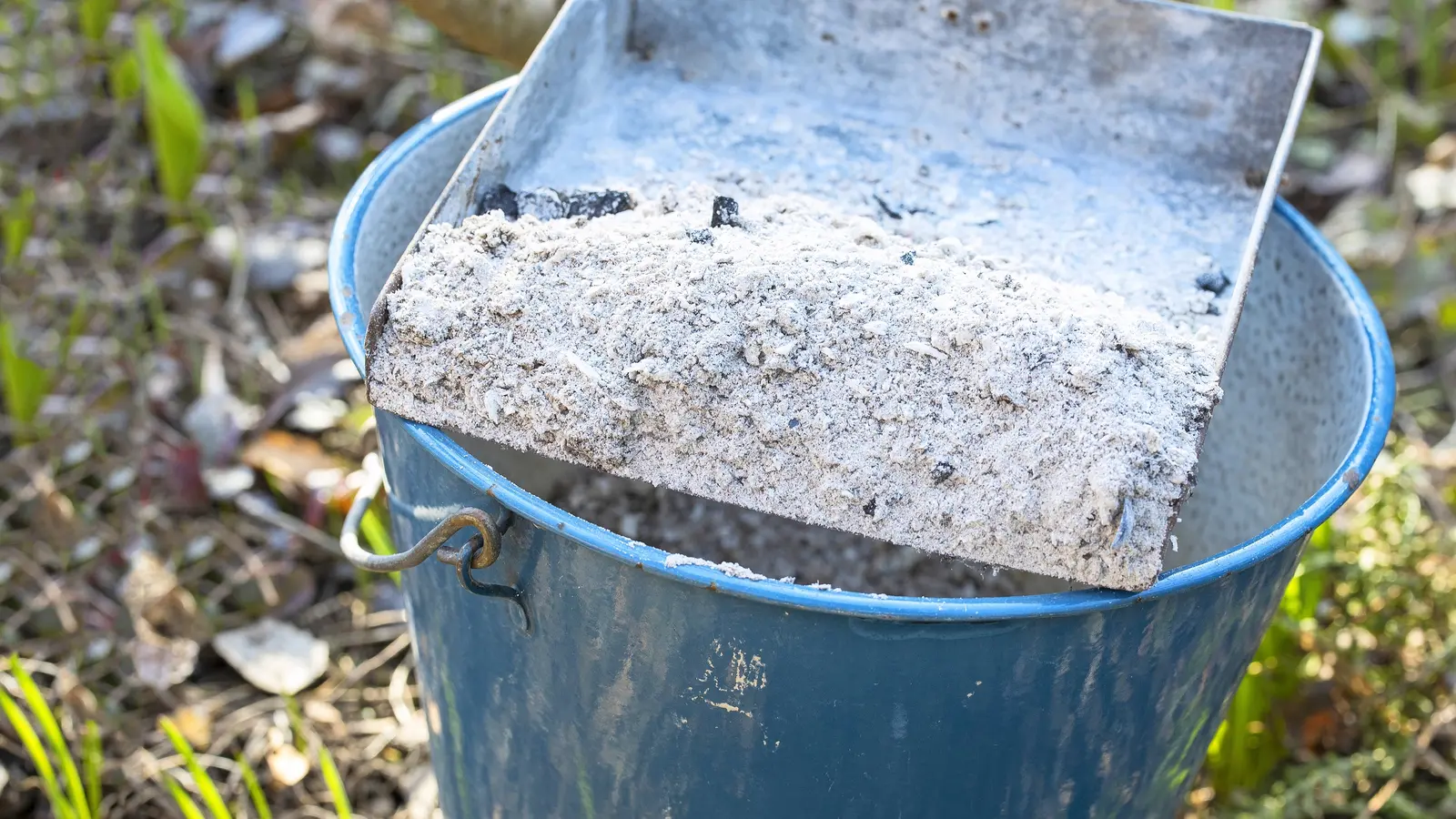
After wood is burned, only the mineral substances accumulated during the tree’s growth remain. That is why ash contains valuable elements for the garden.
Main elements in ash
- potassium;
- calcium;
- magnesium;
- phosphorus in small amounts;
- trace elements.
Unlike many organic fertilizers, wood ash contains virtually no nitrogen, as it is lost during burning.
Which plants it is suitable for
Ash is especially useful for crops that prefer neutral or slightly alkaline soils.
Suitable crops
- tomatoes;
- peppers;
- cucumbers;
- onions and garlic;
- fruit trees.
Crops that require caution
- blueberries;
- azaleas;
- rhododendrons;
- other acid-loving plants.
How to properly use wood ash
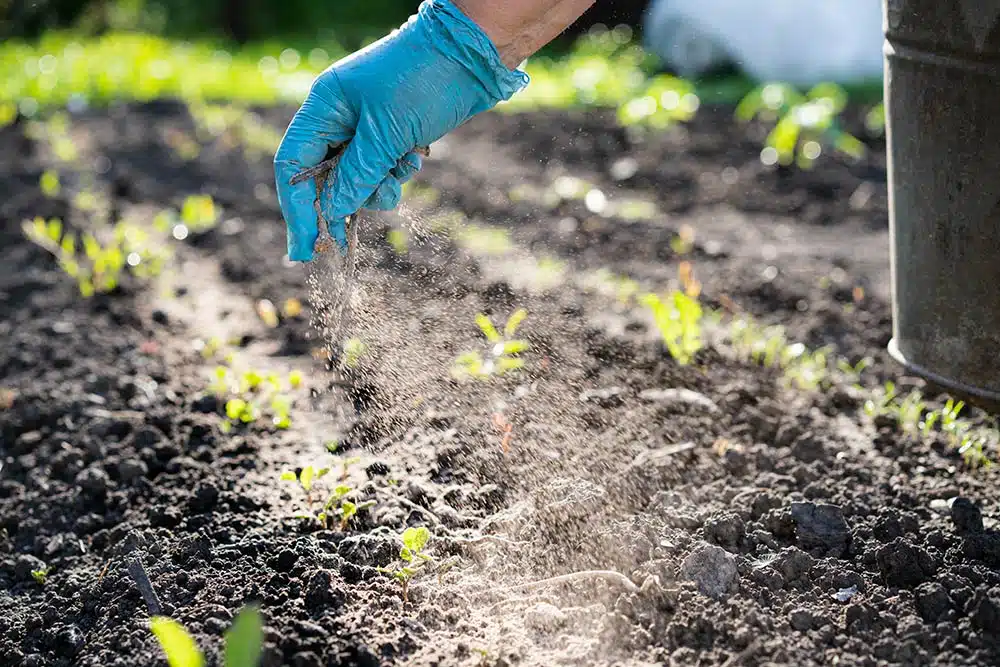
Best results are achieved when ash is used moderately and evenly distributed over the soil.
| Application | Method of use |
|---|---|
| Vegetable beds | light spreading and mixing into the soil |
| Fruit trees | around the tree base area |
| Compost | small amounts between layers |
What NOT to do
The most common problems do not come from ash itself, but from excessive use.
- do not use ash from painted or treated wood;
- do not mix directly with nitrogen fertilizers;
- do not overapply;
- do not use for acid-loving plants;
- do not rely on ash as the main fertilizer.
Soil pH and ash
One of the most important properties of wood ash is that it raises soil pH. This can be beneficial in acidic soils, but problematic in already alkaline ones.
That is why it is important to have at least a basic understanding of your garden soil before regular use.
Conclusion
Wood ash is a valuable natural resource that can be successfully used in home gardening. It is not a replacement for compost or organic matter, but it can be a useful addition to overall soil care.
As with any fertilizer, balance is key. Small, well-measured amounts often give better results than excessive feeding.
Related Topics in Biogardn
- Soil and Fertilizing in the Garden: How to Feed Plants Without Stressing Them
- How to Determine What Type of Soil You Have
- Compost in the Garden: How to Make and Use It
- Manure: When It Helps and When It Can Harm
- Liquid Nettle Fertilizer
- Yellow Leaves on Plants: Nutrient Deficiency or Watering Problem?
Sources and Further Reading
- Agricultural University – Plovdiv
- Institute of Fruit Growing – Plovdiv
- Soil Science and Agrochemistry Materials (Agricultural University – Plovdiv)
- Soil Analysis and Agronomic References
- Educational and practical guides on soil science, soil structure, and fertility

