
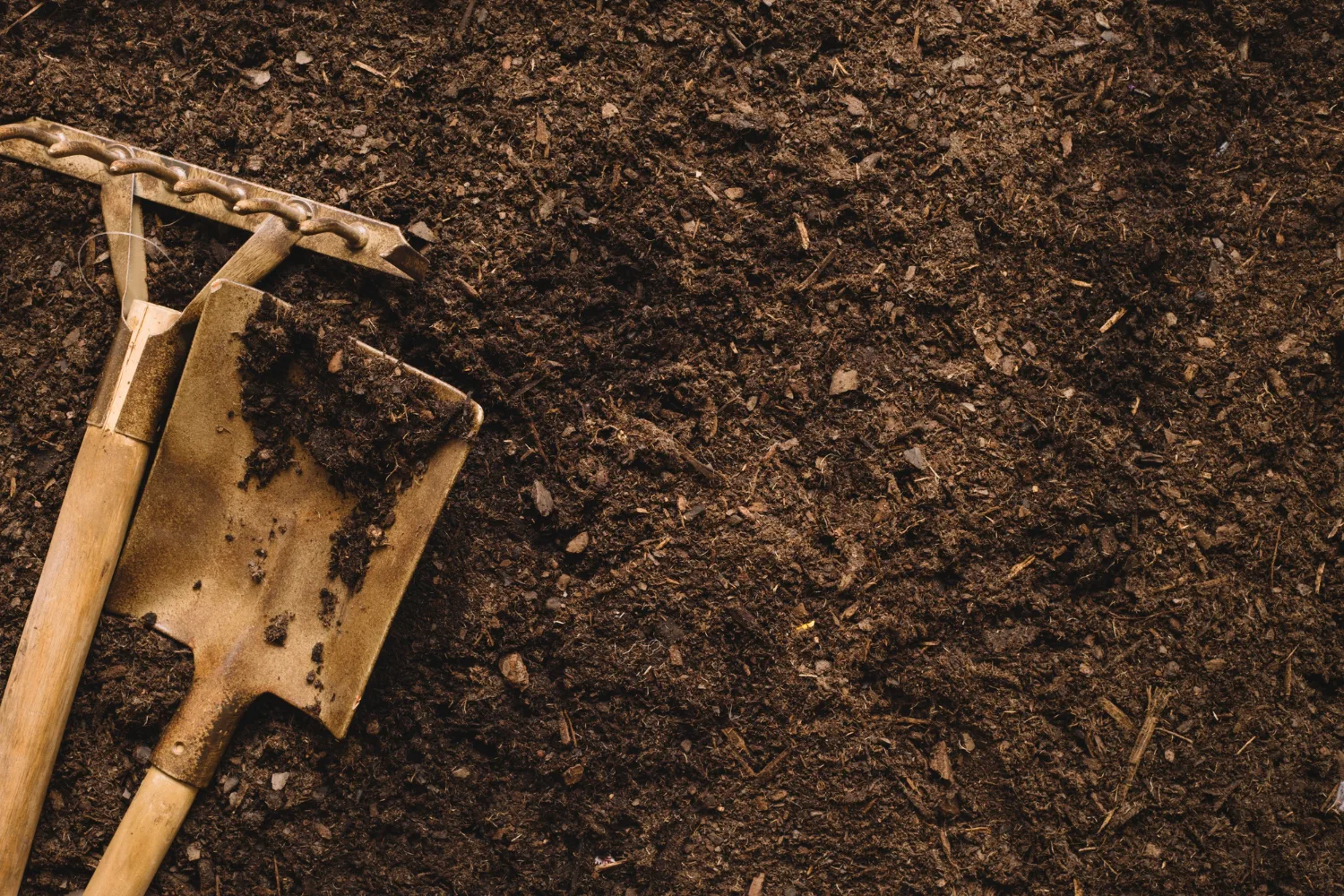
Manure is one of the oldest ways to add organic matter and nutrients to garden soil.
But “natural” does not automatically mean safe or suitable in every situation. The result depends on the type of manure, how well it has decomposed, the amount applied, the soil and the crop.
Well-rotted or properly composted manure can significantly improve soil. Fresh manure or excessive amounts, however, can create more problems than benefits.
With manure, the question is not simply whether it is “natural,” but what condition it is in, how much we use and where we apply it.
What Is Manure?
Manure is usually a mixture of animal feces, urine and bedding materials, such as straw or other plant-based materials.
Its composition can vary considerably depending on the animal, its diet, the bedding used, storage conditions and the stage of decomposition.
That means there is no single universal value for its nitrogen, phosphorus or potassium content.
Different Types of Manure Are Not the Same
Cow, horse, sheep, goat and poultry manure differ in composition and concentration.
That is one reason why the same application rate should not be used for every type.
| Type | General characteristics | What to consider |
|---|---|---|
| Cow manure | Usually higher in moisture and relatively moderate in nutrient concentration. | Useful for improving soil once it is well decomposed. |
| Horse manure | Often contains more bedding material and tends to be looser. | Composition depends heavily on the type and amount of bedding. |
| Sheep and goat manure | Usually drier and may be more concentrated. | Avoid applying large amounts directly around plant roots. |
| Poultry manure | Can be significantly more concentrated, particularly in nitrogen. | Requires much more careful application and dosing. |
Different manures contain different amounts of moisture and nutrients. The amount used should therefore depend on the material, the soil and the crop.
Fresh, Partially Decomposed or Well-Rotted?
The stage of decomposition matters much more than many gardeners realize.
Fresh manure can contain high levels of ammonium nitrogen, soluble salts, viable weed seeds and potentially undesirable microorganisms.
As decomposition progresses, the material becomes more stable and better suited for garden use.
| Condition | What it looks like | Practical use |
|---|---|---|
| Fresh | Original materials are still visible, odor is strong and decomposition is active. | Not suitable for direct placement around the roots of actively growing vegetables. |
| Partially decomposed | Materials have begun to lose their original form. | Better suited for further composting and aging. |
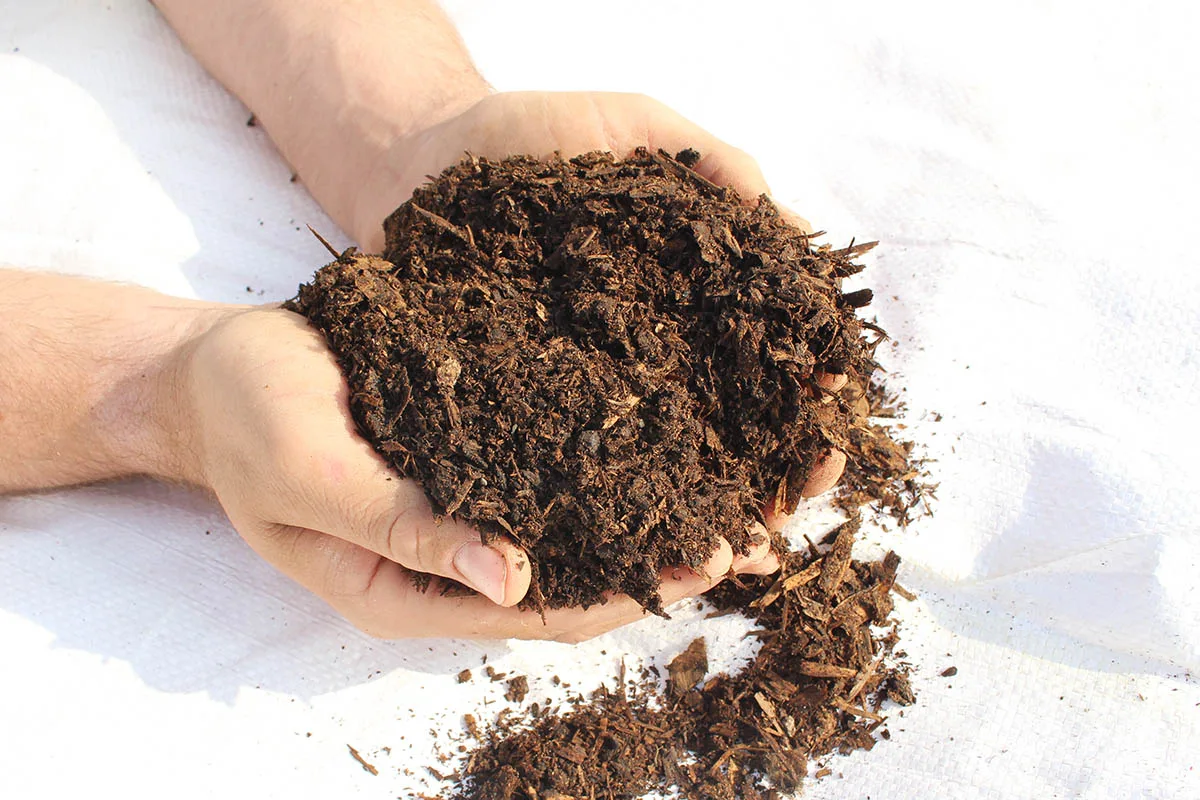
| Well-rotted | Darker, more crumbly and much less odorous. | Far more suitable for soil preparation and garden use. |
When Manure Is Useful
Well-rotted or composted manure is especially useful when the goal is to increase organic matter and improve soil structure.
It can benefit both heavier and lighter soils, although for different reasons.
In heavy soil, organic matter can help improve structure. In sandy soil, it can improve water and nutrient retention.
- in soils low in organic matter;
- as part of vegetable-bed preparation;
- to gradually improve soil structure;
- when restoring long-cultivated or depleted soil;
- as one part of long-term soil management.
When Manure Can Cause Problems
The most common problems come from fresh manure, excessive amounts or application without considering existing soil conditions.
Too much nitrogen can encourage excessive leafy growth at the expense of flowering and fruiting.
High levels of soluble salts can also cause problems, particularly for young plants and sensitive roots.
Food Safety in the Vegetable Garden
With edible crops, it is important to think not only about nutrients, but also about hygiene.
Raw animal manure can contain undesirable microorganisms. For vegetable gardens, well-composted or thoroughly aged material is generally the safer choice.
Do not place fresh animal manure on leaves, fruit or other edible plant parts. For home vegetable gardens, properly composted manure is a much more suitable option.
How to Use Manure in Garden Soil
Manure is most useful as part of soil preparation, rather than as a quick fix for a plant that already looks unhealthy.
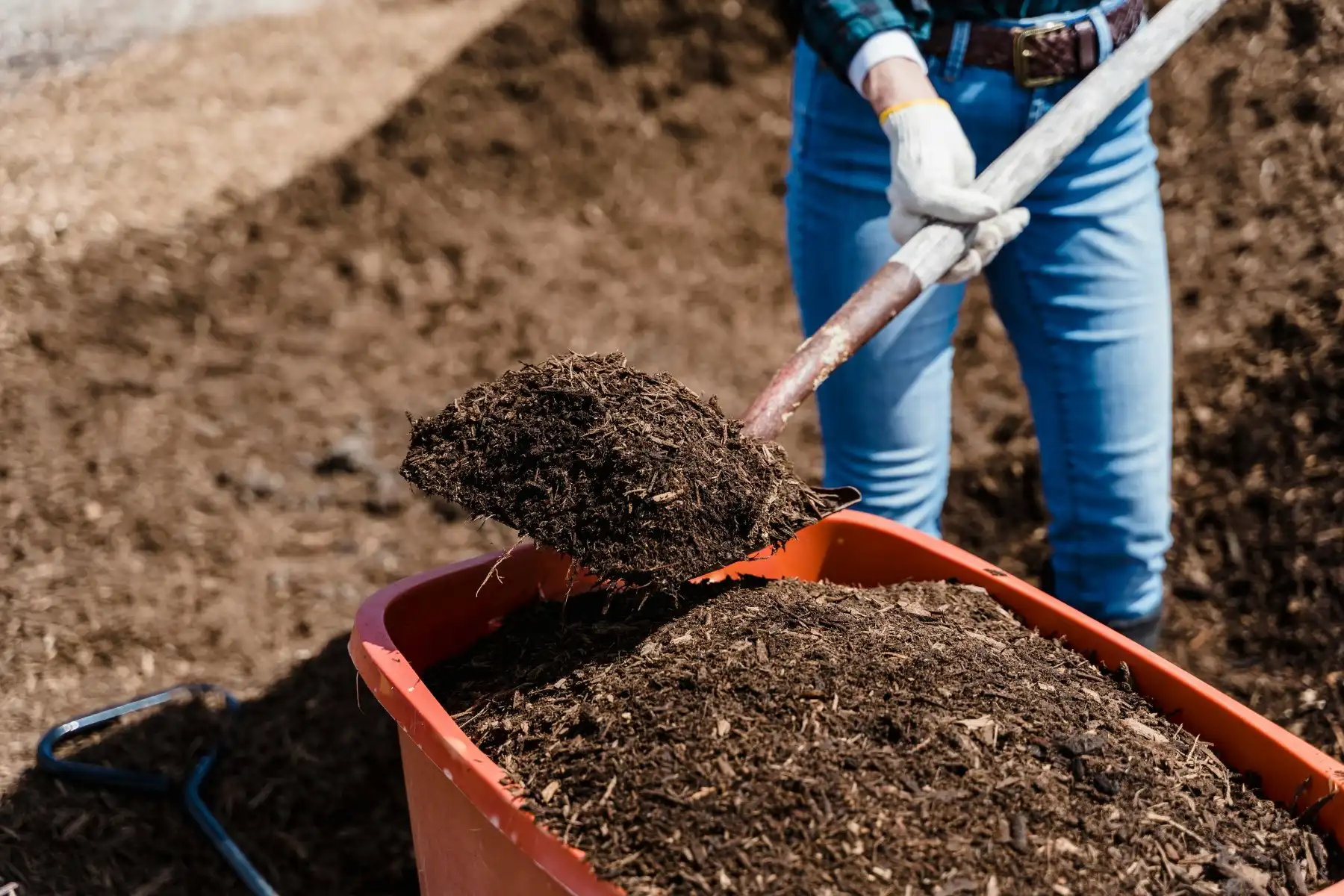
Well-rotted manure can be spread over the soil and incorporated into the upper layer.
There is usually no need to place concentrated piles directly beneath roots.
- use well-rotted or properly composted material;
- spread it relatively evenly;
- avoid piling it directly around stems;
- adjust the amount to the fertility of the existing soil;
- do not assume that more manure means a larger harvest.
Manure works best when it improves the soil, not when it is used as a concentrated dose around a single plant.
Manure or Compost?
The two materials are not completely interchangeable.
Mature compost is usually a more stable form of organic matter with a gentler and more predictable effect.
Manure can contribute more nutrients, but its composition is much more variable.
| Compost | Well-rotted manure | |
|---|---|---|
| Main role | Improving soil structure and organic matter. | Organic matter plus a stronger nutrient contribution. |
| Concentration | Usually more moderate. | Varies considerably depending on type and source. |
| Risk of overuse | Possible, but usually lower. | Higher, particularly with concentrated materials. |
| General use | Can be used regularly to maintain soil quality. | Application rate should be considered more carefully. |
Common Mistakes When Using Manure
Manure can be an excellent soil amendment and nutrient source, but only when it is used carefully.
Prefer well-rotted or properly composted material, especially in the vegetable garden. Do not use the same application rate for every type of manure or every soil.
The best results come when manure is part of broader soil care, together with compost, organic matter, mulch and balanced fertilizing.