
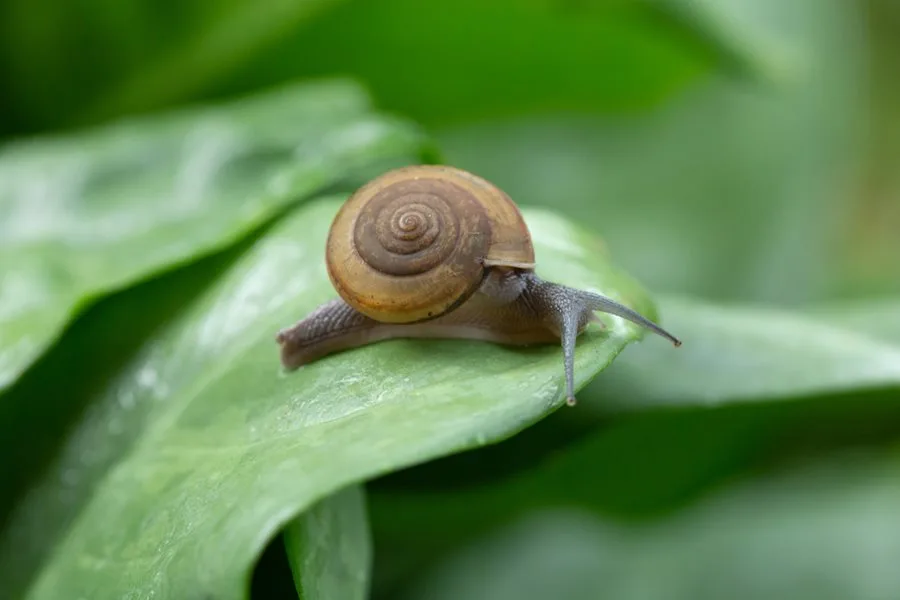
Slugs and snails are among the most persistent pests in the home garden, especially where moisture remains high and there are plenty of cool, sheltered places.
They feed on tender leaves, stems, flowers and fruit, and young seedlings can be badly damaged in a single night.
The most effective control is rarely one single measure. It usually combines monitoring, moisture management, removal of hiding places, physical protection and bait only when it is genuinely needed.
Slugs and snails are easiest to control when vulnerable plants are protected early, rather than after serious damage has already occurred.
Why Slugs and Snails Become a Problem
Slug and snail activity is closely linked to damp and sheltered conditions.
They need enough moisture to move efficiently and are generally much less active in hot, dry conditions.
In irrigated gardens, raised beds and densely planted borders, favorable conditions can persist even when the weather is relatively dry.
When They Are Most Active
Slugs and snails are usually most active at night and during cool, damp weather.
They often emerge after rain or irrigation, when the soil surface and vegetation remain moist.
This is why damage is often discovered in the morning, when the pests themselves have already returned to shelter.
The best times are after rain, during a damp evening or early in the morning. Looking only in the middle of a dry day can seriously underestimate the problem.
How to Recognize the Damage
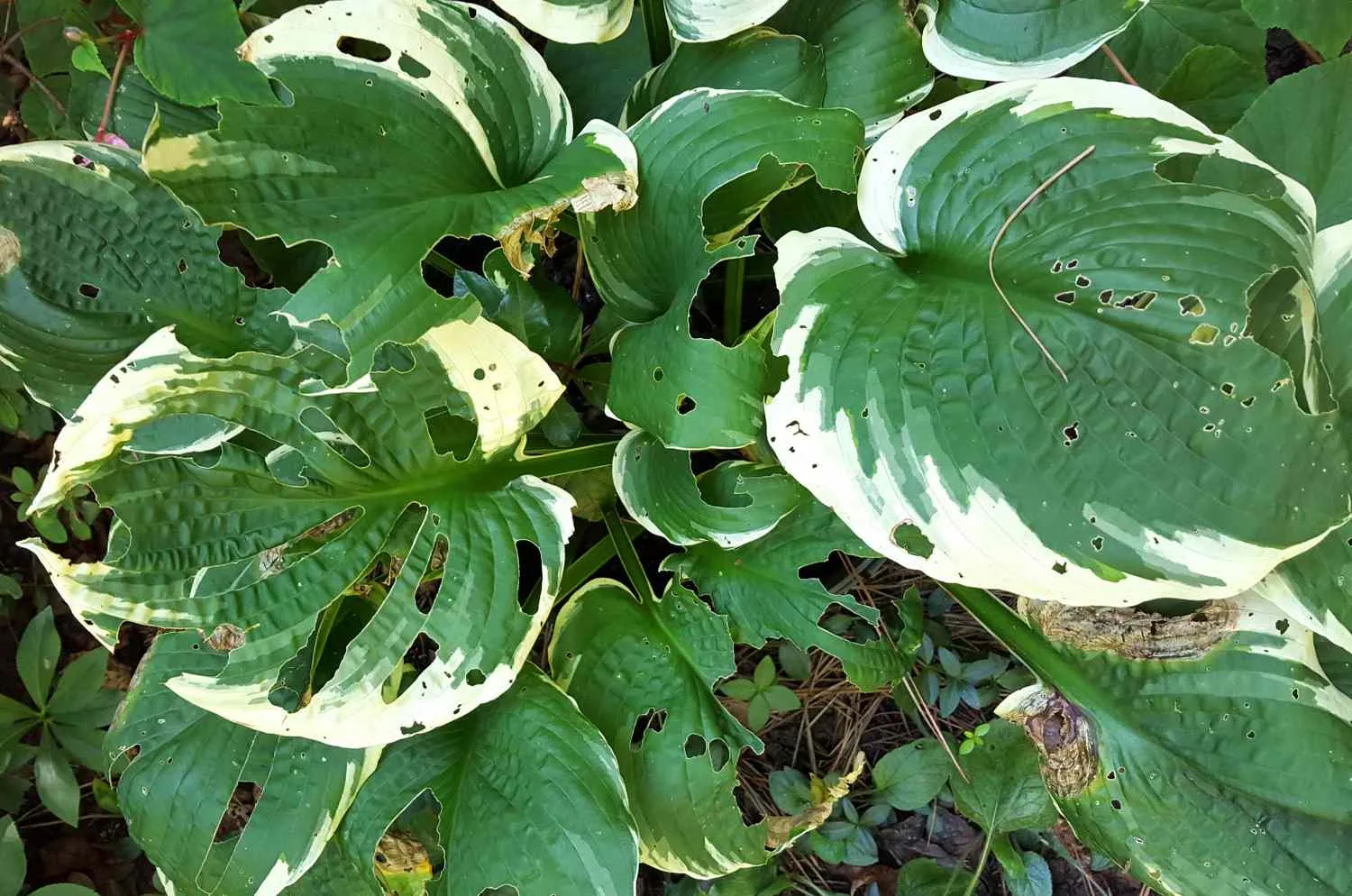
The feeding damage is often fairly distinctive.
Leaves develop irregular holes, edges may be chewed, and young seedlings can sometimes disappear almost completely.
Shiny slime trails on leaves, containers, soil or paths are another useful clue.
- irregular holes in leaves;
- damaged or missing seedlings;
- shiny slime trails;
- feeding damage that appears overnight;
- damaged flowers and tender shoots;
- chewed fruit close to the ground.
Which Plants Are Most Vulnerable?
Slugs and snails feed on many different plants, but young and tender tissues are especially vulnerable.
Recently transplanted seedlings are at greatest risk because even relatively limited feeding can remove a large proportion of their foliage.
| Plant group | Common examples | Typical risk |
|---|---|---|
| Young vegetables | Lettuce, brassica seedlings, beans, basil and other transplants. | They can be severely damaged before becoming well established. |
| Ornamental plants | Hostas, dahlias and other plants with soft foliage. | Leaves and young shoots can be heavily chewed. |
| Fruit close to the soil | Strawberries and other soft fruit. | Ripe fruit may be damaged directly. |
Start by Changing the Conditions
In the home garden, the first step should usually be to reduce the conditions that make the area convenient for slugs and snails.
This does not mean depriving the garden of water. Plants still need normal irrigation.
The goal is to avoid creating unnecessarily wet and sheltered surfaces directly around the most vulnerable plants.
Hand-Picking Can Be Very Effective
In a small garden, hand-picking can quickly reduce the active population.
The method works best when repeated over several damp evenings, rather than done only once.
Check underneath pots, boards, dense vegetation and other protected areas.
A few minutes of checking over several damp evenings can sometimes protect seedlings better than reacting after serious damage has already occurred.
Do Physical Barriers Work?
Barriers can help around individual plants, containers or raised beds, but their effectiveness varies.
They work best when they completely surround the protected area and do not have gaps that allow slugs or snails to pass through.
| Method | Possible benefit | Important limitation |
|---|---|---|
| Protective collars | Can protect individual young plants during the first vulnerable weeks. | They must actually prevent access to the plant. |
| Copper barriers | May discourage some slugs and snails around pots and raised beds. | The effect is not absolute, and the barrier needs to be continuous and reasonably clean. |
| Removing hiding places | Reduces protected places used during the day. | Requires regular checking. |
| Drier surface around seedlings | Makes movement less favorable. | It should not cause drought stress to the plant itself. |
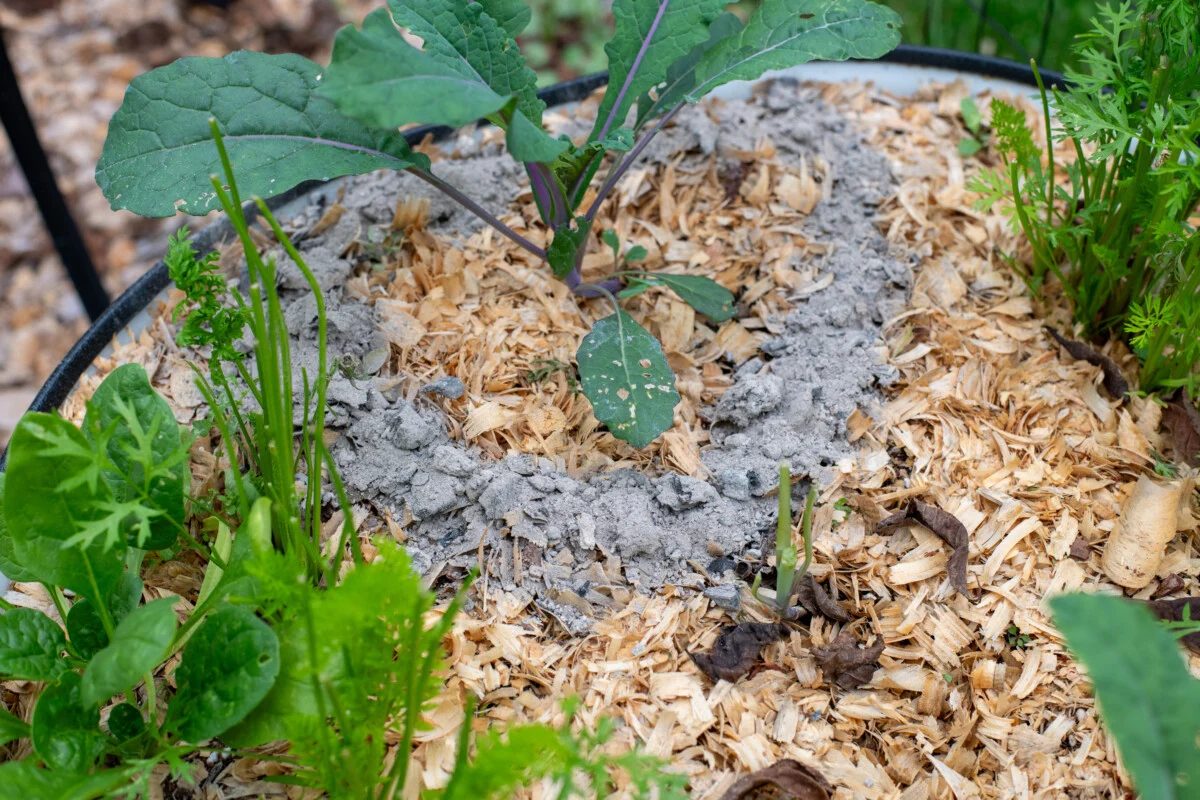
Their effect is short-lived, especially after rain or irrigation. Repeated use can also alter soil chemistry and soil pH, so they are not a good primary method for slug control.
When Slug and Snail Bait May Be Needed
If young plants continue to be destroyed or the population remains high, a labeled granular bait may be necessary.
Even then, it is usually better to use the product in a targeted way, rather than spreading it automatically throughout the garden.
Choose only a product labeled for the specific area, crop and intended use, and follow the current label.
| Approach | How it is used | Important point |
|---|---|---|
| Iron phosphate baits | Some products are labeled for slug and snail control in home gardens. | They still need to be used exactly according to the label. |
| Other molluscicide baits | Active ingredients and legal uses vary by market. | Some products may pose greater risks to pets, wildlife and children if misused. |
| Beneficial nematodes | Certain products use nematodes for biological control of some slug species. | Results depend on the product, slug species, soil temperature and soil moisture. |
Bait should be distributed only in the way described on the label. More product does not mean better control and may increase the risk to non-target organisms.
Pets, Wildlife and Safety
Safety is especially important with granular baits, because animals other than slugs may also reach them.
Check all label warnings concerning pets, children, wildlife and edible crops.
Keep unused product in its original container and store it securely out of reach of children and animals.
Do not assume that a product described as “natural” or “lower impact” is automatically risk-free.
Practical Decisions in Different Situations
| Situation | First response | When stronger control may be needed |
|---|---|---|
| Fresh damage on young seedlings | Check at night, hand-pick slugs and snails, remove nearby hiding places and use physical protection. | If plants continue to disappear, targeted use of labeled bait may be justified. |
| Damage after every rainfall | Inspect damp hiding places, reduce unnecessary shelter and monitor more frequently. | Use bait only in areas with genuinely high activity. |
| Raised bed with young transplants | Use protective collars or a continuous barrier and avoid constantly wet mulch around stems. | Localized bait may be suitable if labeled for that use. |
| Fruit damaged close to the soil | Keep fruit away from damp soil, harvest promptly and remove damaged fruit. | Use only a product labeled for edible crops and the specific area. |
| Problem every wet season | Review irrigation, drainage, mulch depth and permanent hiding places. | Targeted seasonal control may be useful during periods of highest risk. |
Can Natural Predators Help?
Slugs and snails are eaten by a range of garden animals, including some birds, predatory beetles, amphibians and other organisms.
A more diverse garden can therefore support some natural control of the population.
However, natural predators should not be expected to protect every young seedling during a severe outbreak.
Prevention During Wet Periods
The best time to prevent damage is before young plants are heavily chewed.
During rainy weather or frequent irrigation, inspect vulnerable areas more regularly.
Common Slug and Snail Control Mistakes
Slugs and snails are most troublesome where moisture, shelter and tender young growth occur together.
Start with regular monitoring, hand-picking, physical protection of seedlings and reducing unnecessarily damp hiding places.
If bait is needed, choose only a product labeled for the specific area and intended use, and follow all instructions for quantity, placement, pets, wildlife and edible crops.