
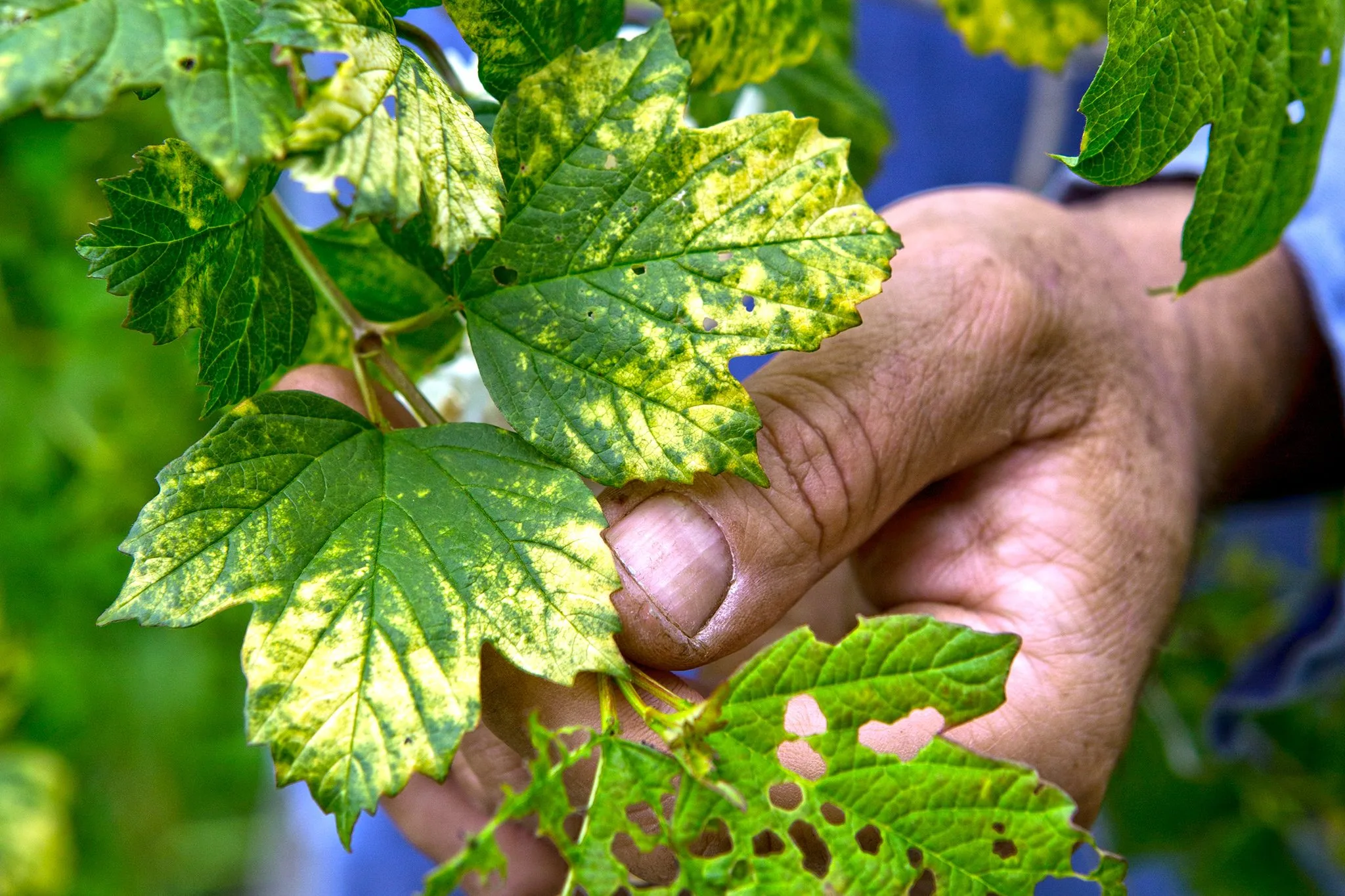
Yellow leaves on plants: deficiency or watering problem
Yellowing of leaves is one of the most common signals that something is wrong in plant development. Whether it concerns vegetables, flowers, fruit trees or ornamental shrubs, changes in leaf color almost always indicate stress.
Many gardeners automatically assume the problem is a lack of fertilizer, but the truth is that the causes can vary. Overwatering, nutrient deficiencies, unsuitable soil, or even temporary climate conditions can lead to yellowing.
“Leaves often show the problem long before the plant starts to suffer seriously.”
What yellow leaves mean
Yellowing, also known as chlorosis, is a condition in which the plant cannot produce enough chlorophyll. As a result, leaves lose their green color and gradually start to fade.
It is important to observe whether old or young leaves are turning yellow, and whether the veins remain green. These details often point to a specific cause.
Most common causes
- improper watering;
- nutrient deficiency;
- poor soil drainage;
- damaged roots;
- temperature stress.
Nutrient deficiencies
Different nutrients cause different symptoms. That is why it is important not to fertilize blindly.
| Element | Symptoms |
|---|---|
| Nitrogen | yellowing of older leaves |
| Iron | yellow young leaves with green veins |
| Magnesium | yellowing between veins |
| Potassium | yellowing and edge burn |

Watering problems
Overwatering is one of the most common causes of yellow leaves. When soil stays constantly wet, roots do not get enough oxygen and begin to weaken.
Underwatering can also cause yellowing, especially during hot summer months.
Overwatering
- constantly wet soil;
- soft and yellow leaves;
- slow growth;
- risk of root rot.
Underwatering
- dry soil;
- wilting leaves;
- dry edges;
- slower growth.
How to identify the cause
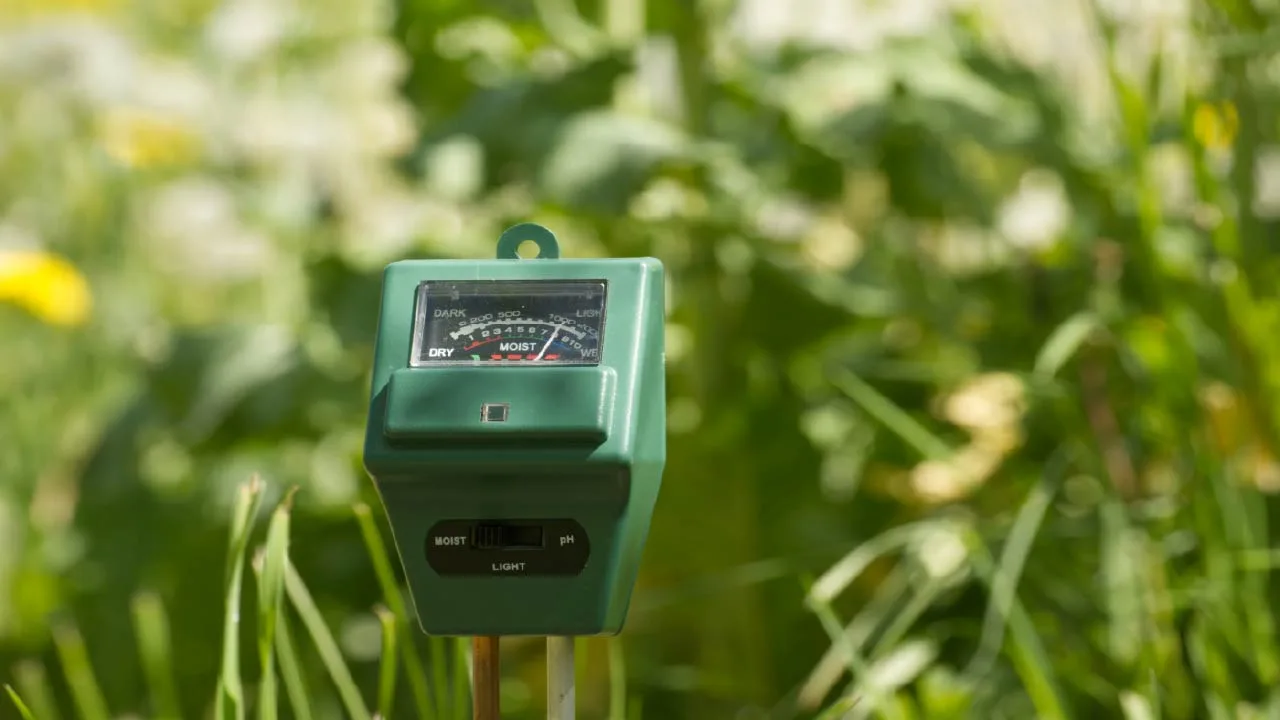
Before applying fertilizer, it is important to first check soil moisture and overall plant condition. In many cases, the problem is not nutrient deficiency but incorrect watering.
Observing symptoms and gradually eliminating possible causes is the best approach.
Common mistakes
Yellow leaves often cause gardeners to react too quickly. This can sometimes worsen the problem.
- fertilizing without identifying the cause;
- daily watering without need;
- using overly strong fertilizers;
- ignoring drainage.
Conclusion
Yellow leaves are not a disease themselves, but a warning that the plant is under stress. The most common causes are watering problems and nutrient deficiencies.
The sooner the cause is identified, the easier it is for the plant to recover normal growth.
Related Topics in Biogardn
- Soil and Fertilizing in the Garden: How to Feed Plants Without Stressing Them
- How to Determine What Type of Soil You Have
- Compost in the Garden: How to Make and Use It
- Manure: When It Helps and When It Can Harm
- Liquid Nettle Fertilizer
- Wood Ash in the Garden
Sources and Further Reading
- Agricultural University – Plovdiv
- Institute of Fruit Growing – Plovdiv
- Soil Science and Agrochemistry Materials (Agricultural University – Plovdiv)
- Soil Analysis and Agronomic References
- Educational and practical guides on soil science, soil structure, and fertility

