
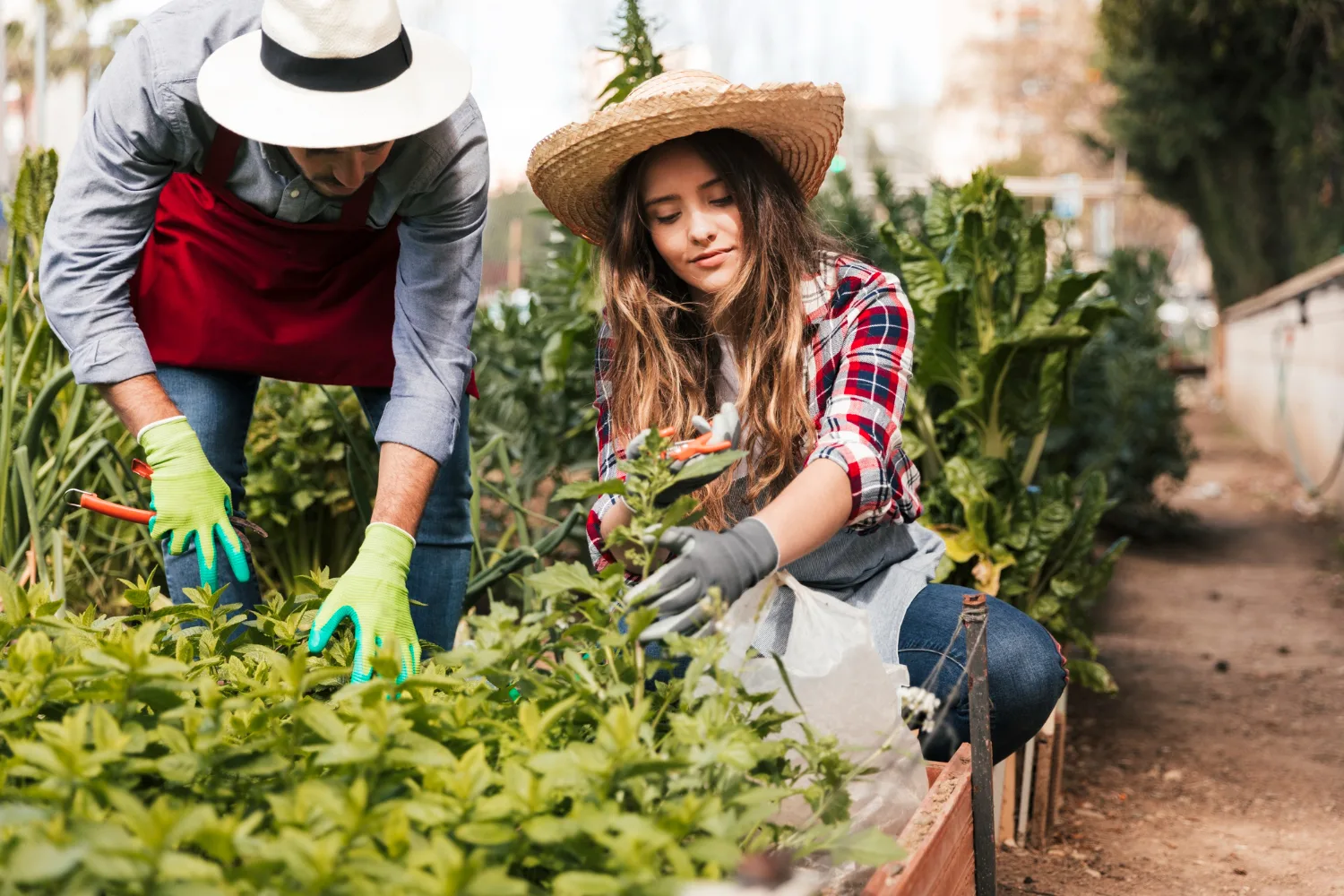
Vegetable garden: where to start and how to maintain it throughout the season
The vegetable garden is one of the most natural extensions of our connection with nature. Whether we have a large yard, a small space next to the house, or just a few raised beds, growing our own vegetables brings not only a harvest but also a sense of satisfaction and independence.
Many people start with the idea that it is enough to simply plant a few vegetables and wait for results. In reality, a good vegetable garden does not start with seeds, but with planning. Soil, sunlight, watering, and proper plant placement are often more important than the choice of variety itself.
In vegetable growing practice, a seasonal approach is very important. Each part of the year brings different tasks for the gardener – preparation, planting, maintenance, protection, and harvesting.
The approaches described in this article are based on basic agronomic principles used in Bulgarian vegetable production and adapted for home garden conditions.
“A good vegetable garden is not created in a single season. It is built gradually, year after year.”
What is a vegetable garden
A vegetable garden is a system of different crops grown together that influence one another. That is why successful vegetable growing is not about individual plants, but about the overall management of the space.
When properly planned, different vegetables can complement each other, use soil more efficiently, and reduce the risk of diseases and pests.
- better control over product quality;
- lower long-term costs;
- ability to grow different crops;
- better use of available space;
- closer connection with natural processes.
Choosing a location
The location is one of the most important factors for success. Most vegetables require plenty of light, good air circulation, and easy access to water.
Even the best varieties can hardly compensate for an unsuitable location. That is why the choice should be made before the first planting.
- at least 6–8 hours of sunlight per day;
- easy access to water;
- good air circulation;
- avoid constantly wet areas;
- sufficient space for plant development.
Soil and preparation
Soil is the foundation on which the entire garden is built. Soil rich in organic matter and well-drained ensures better root development and more stable yields.
Preparation usually begins before the active season. Adding compost and improving soil structure is an investment that pays off for years.
| Factor | Importance |
|---|---|
| Good drainage | Prevents root rot |
| Organic matter | Improves fertility |
| Loose structure | Supports root development |
| Regular feeding | Maintains stable growth |
How to plan the beds
The arrangement of crops affects both convenience and plant health. A well-organized garden makes watering, weeding, and monitoring much easier.
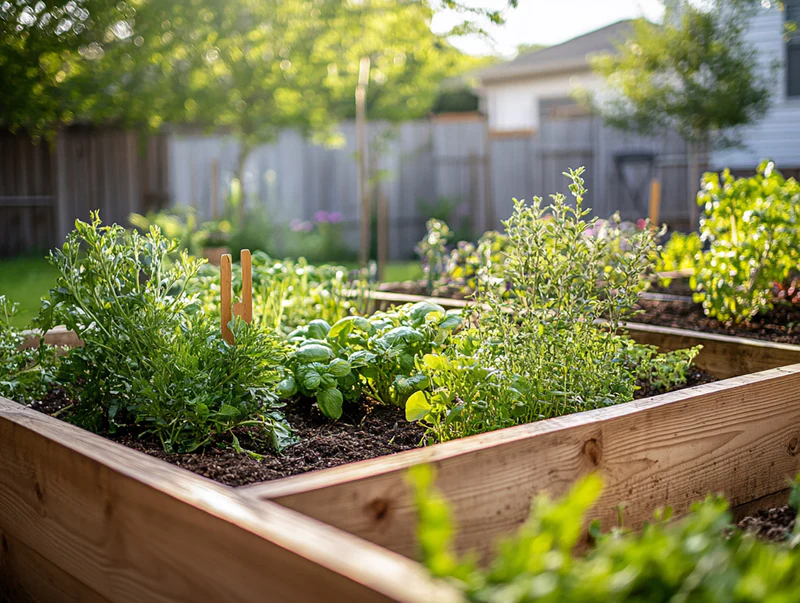
More and more gardeners use raised beds, which improve drainage and make work more comfortable.
- leave enough space between beds;
- group crops according to their needs;
- avoid excessive crowding;
- ensure easy access for maintenance.
Main vegetables for beginners
When creating the first vegetable garden, it is not necessary to start with many crops. A more reasonable approach is to gradually build experience with plants that are relatively easy to grow and perform well in local conditions.
Tomatoes, cucumbers, peppers, and garlic are among the most popular vegetables for home gardens. They are well-known, widely grown, and can be successfully combined in one garden.
| Crop | Advantages | Specifics |
|---|---|---|
| Tomatoes | High yield and long fruiting period | Require regular care |
| Cucumbers | Fast growth | Need more water |
| Peppers | Long fruiting period | Prefer warmth |
| Garlic | Easy to grow | Requires correct planting time |
Each of these vegetables has its own specific requirements, so it is best to study each crop separately in detail.
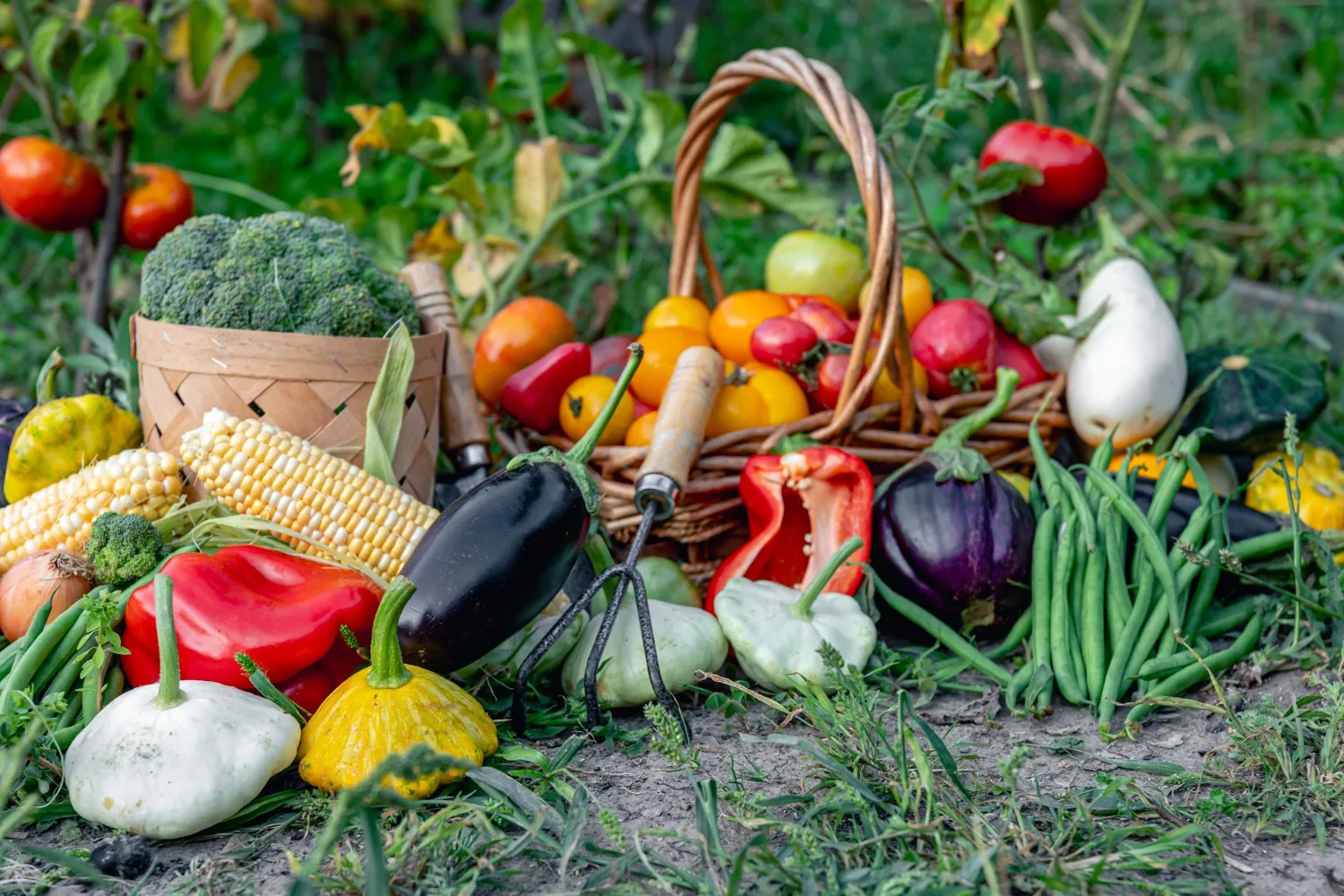
Watering and maintenance
Water management is one of the most important factors affecting vegetable development. Water shortage can slow growth and reduce yields, while overwatering often creates conditions for disease.
Best results are achieved with regular and balanced watering, adjusted to climate conditions and the needs of each crop.
- water deeply, not superficially;
- avoid constant overwatering;
- use mulch to retain moisture;
- monitor soil condition;
- adjust frequency according to weather and season.
“Most problems in the vegetable garden do not come from lack of fertilizer, but from lack of consistency and observation.”
Seasonal approach throughout the year
The vegetable garden changes constantly, and each season brings different tasks. Successful gardening requires adaptation to these changes.
| Season | Main activities |
|---|---|
| Spring | Preparation and planting |
| Summer | Watering, maintenance, and harvesting |
| Autumn | Cleaning and preparation for next season |
| Winter | Planning and soil improvement |
Common beginner mistakes
Many problems in the vegetable garden are not related to varieties, but to poor organization and rushed decisions.
- planting too many crops at once in the beginning;
- lack of planning;
- excessive watering;
- plants placed too densely;
- neglecting the soil;
- lack of regular observation.
Conclusion
The vegetable garden is not just a place for food production. It is a process that teaches patience, observation, and understanding of nature.
Success does not depend on the size of the garden, but on consistency and the right decisions. Even a small space can provide a rich harvest when properly organized.
Over time, every garden develops together with its gardener, and the experience gained often becomes the most valuable resource.
Related topics in Biogardn
- Tomatoes in the garden: planting, care and maintenance
- Tomato blight: symptoms, prevention and treatment
- Cucumbers in the garden: planting, watering and care
- Peppers in the garden: how to grow them healthy and productive
- When and how to plant garlic
- Raised beds for vegetables: benefits, sizes and maintenance
Sources and useful literature
- Institute of Vegetable Crops “Maritsa” – Plovdiv
- Agricultural University – Plovdiv
- Agri.bg
- Sinor.bg
- Educational and agronomic materials on vegetable production