
Apricot in the Garden: Care, Diseases, and Growing Characteristics
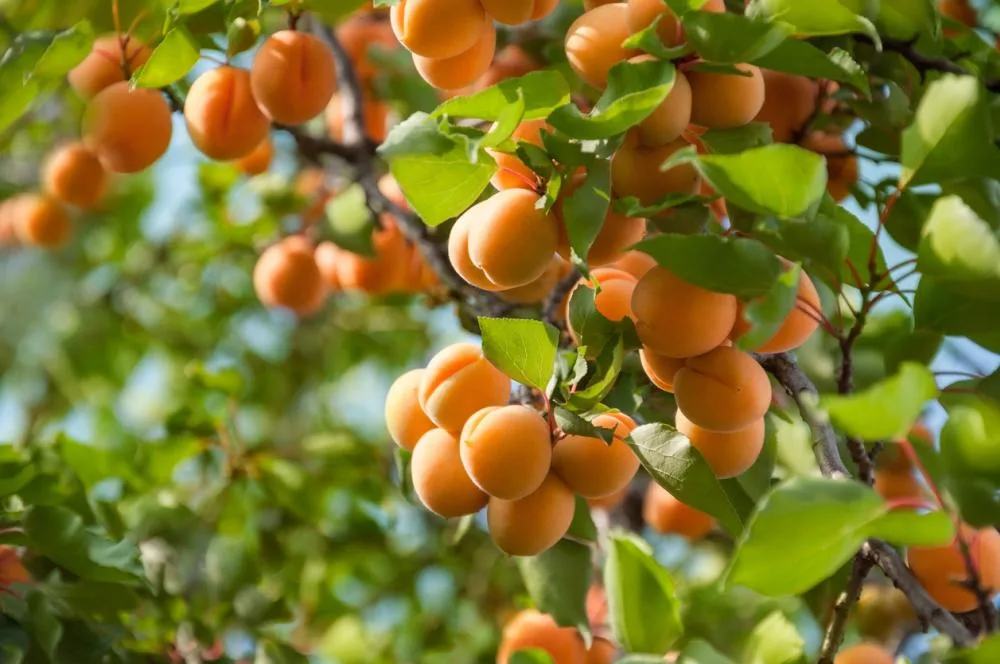
The apricot is one of the most beloved fruit trees in Bulgarian home gardens. It combines early spring flowering, aromatic fruits, and relatively easy cultivation, but at the same time it is also one of the most sensitive species when it comes to climate and diseases.
Many gardeners plant it expecting quick results, but reality often includes late frosts, sensitivity to fungal diseases, and the need for careful site selection. That is why the apricot is not just “another tree”, but a crop that requires understanding.
Characteristics of the Apricot Tree
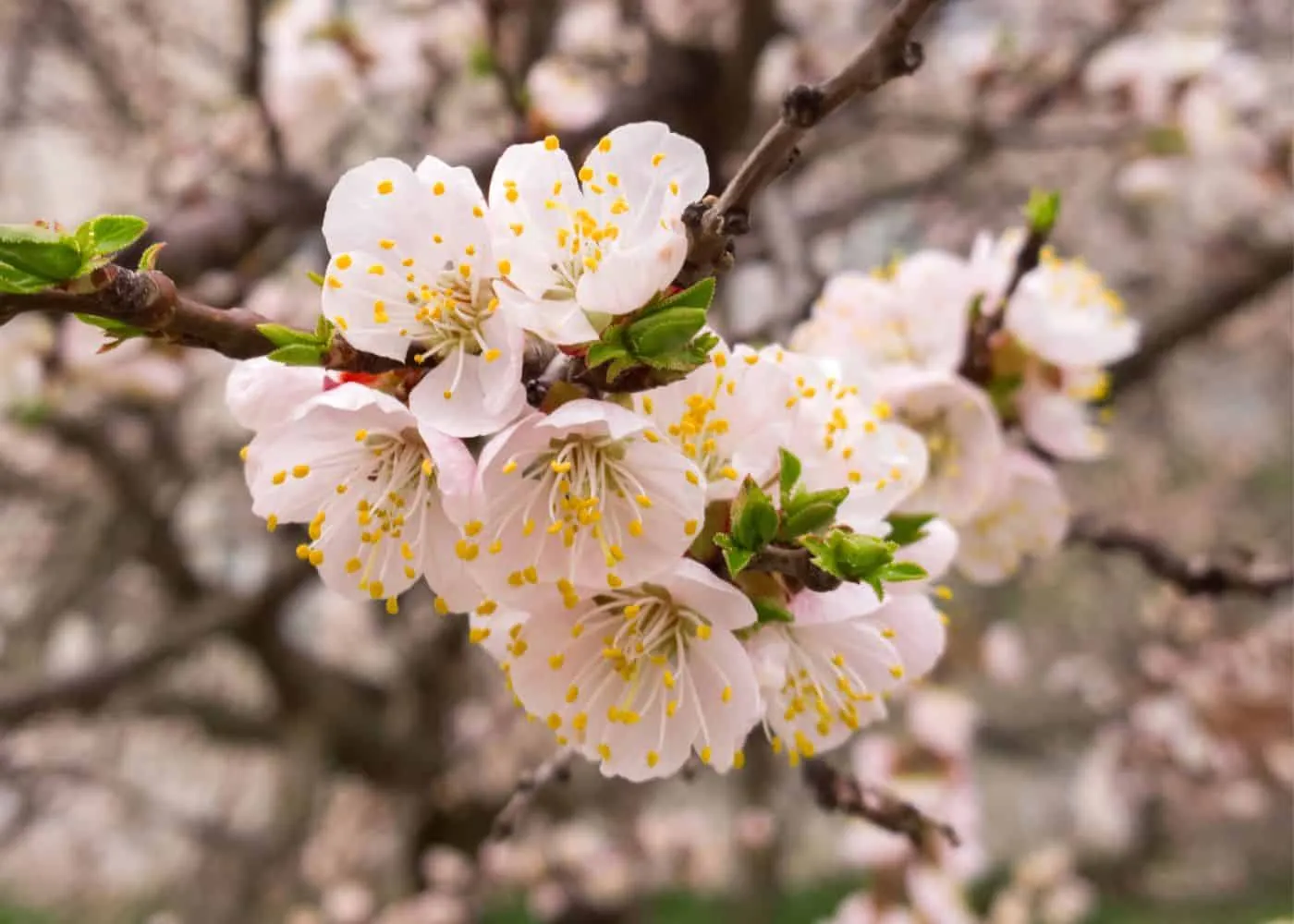
The apricot begins its growing season very early in spring, often before most other fruit trees. This makes it highly vulnerable to late frosts that can destroy blossoms and reduce the entire year’s yield.
However, when conditions are right, apricots produce exceptionally aromatic and sweet fruits that are difficult to match.
- early flowering and frost risk
- high sensitivity to humidity and fungal diseases
- thrives in warm and well-ventilated locations
- excellent fruit aroma and taste quality
Choosing a Planting Location
Location is critical for apricots. They prefer warm, sunny, and well-ventilated areas. Cold air accumulation in low spots significantly increases the risk of frost damage.
Best results are achieved on gentle slopes or open areas with good air circulation.
- at least 6–8 hours of direct sunlight
- good air circulation
- avoid low frost-prone areas
- no constant shade from buildings or trees
Soil and Conditions
Apricots do not tolerate heavy, water-retentive soils. They grow best in light to medium-textured, well-drained soils with moderate organic matter content.
Prolonged moisture around the roots weakens the tree and increases disease risk.
Key Points
- good drainage is essential
- avoid waterlogging
- soil should be moderately fertile
- organic matter improves structure
Planting Apricots
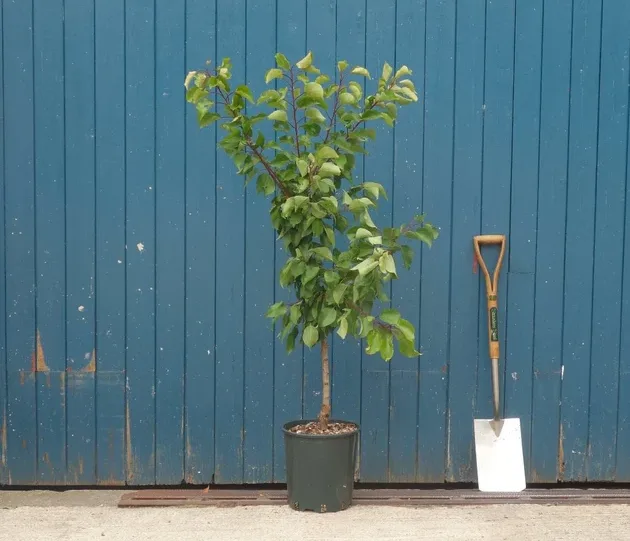
Planting is usually done in autumn or early spring. Autumn planting is preferred because the root system begins adapting before active growth starts.
"The graft union must remain above soil level, and roots should be placed freely in a well-prepared planting hole."
- wide and loose planting hole
- avoid direct contact of roots with fresh manure
- deep watering after planting
- mulching to retain moisture
Watering and Care
Apricots do not require constant watering, but young trees are sensitive to drought. In the first years, water balance is crucial for proper development.
It is better to water less frequently but deeply rather than often and superficially.
- regular watering during the first summer
- avoid drought stress during active growth
- mulching to retain moisture
- no waterlogging
Pruning Apricots
Apricots require moderate and careful pruning. Excessive cutting can lead to strong vegetative growth and reduced fruiting.
The main goal is to maintain a well-ventilated and properly illuminated canopy.
- remove dry and diseased branches
- avoid heavy pruning at once
- maintain a balanced canopy structure
Apricot Diseases
Apricots are susceptible to several major diseases that can significantly affect yield and tree health.
| Disease | Description | Effect |
|---|---|---|
| Monilia | Fungal disease affecting blossoms and fruit | Rotting and fruit drop |
| Leaf curl | Leaf deformation | Weakened growth |
| Shot hole disease | Small holes in leaves | Reduced photosynthesis |
"Prevention includes proper pruning, good air circulation, and regular monitoring, especially in humid periods."
Pollination
Most modern apricot varieties are self-fertile, meaning they can produce fruit without a pollinator. However, favorable weather during flowering and frost-free conditions remain essential for good yields.
Common Mistakes
- planting in low and cold areas
- overwatering
- excessive pruning
- ignoring early disease signs
- expecting stable yields too early
Conclusion
The apricot is a tree with character. It can be extremely rewarding, but only when conditions are right. The most important factors are proper site selection and careful management of moisture and pruning.
With the right approach, the apricot becomes one of the most valuable trees in the fruit garden, both for its taste and its early seasonal importance.
Related Topics on Biogardn
This article serves as the foundation of our orchard section. From here, you can continue to more specific topics:
- Fruit Orchard: How to Choose, Plant and Maintain Fruit Trees
- When and How to Plant Fruit Trees
- Pruning Fruit Trees for Beginners
- Fruit Tree Spraying Calendar
- Peach Tree: Planting and Leaf Curl
- Apple Tree: Varieties and Care
Sources and Further Reading
- Fruit Growing Institute – Plovdiv
- Fruit Nursery of the Fruit Growing Institute – Plovdiv
- Agricultural University – Plovdiv
- Department of Viticulture and Pomology – Agricultural University – Plovdiv
- Educational and technical materials on fruit growing used in agronomic practice.