Apple in the Home Garden: Varieties, Care and Diseases
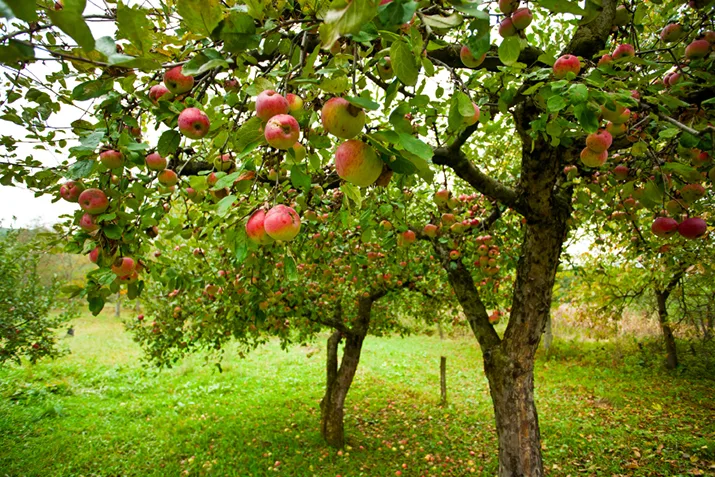
The apple tree is perhaps the most resilient and most widespread fruit tree in Bulgarian gardens. It is present almost everywhere – not because it is the easiest crop, but because it is one of the most adaptable. At the same time, the apple tree can be misleading with this “ease”.
Many gardeners start with apples because they expect a stable and reliable harvest. The truth is that apple trees can be extremely rewarding, but only if the right decisions are made from the very beginning – location, variety, rootstock and pollination.
In professional practice and in the academic materials of fruit growing in Bulgaria, the apple is one of the main crops used to study pruning, plant protection and varietal combinations. The data and approaches in this article are based on established agronomic principles applied under Bulgarian conditions.
“An apple tree is not just a fruit tree. It is a test of how well an orchard has been designed.”
How the apple tree grows and why it matters
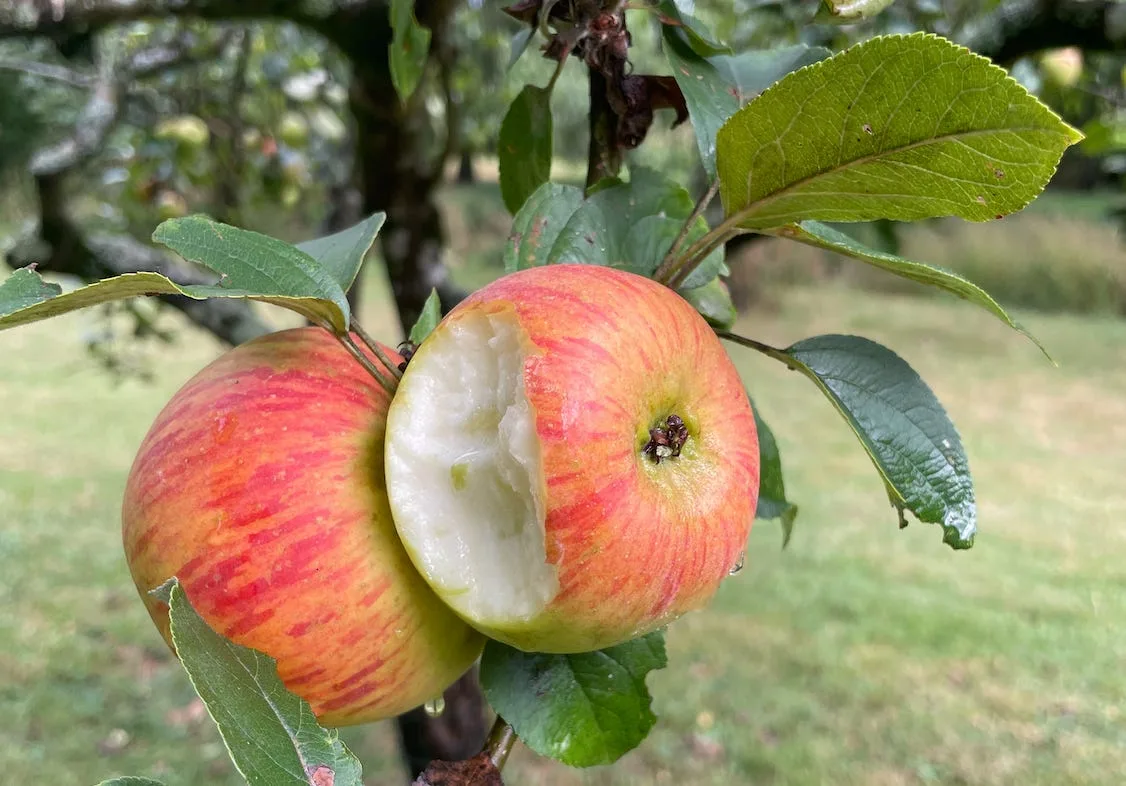
The apple is a pome fruit species that develops a stable but management-sensitive crown. It reacts strongly to pruning, rootstock choice and crop load. This means that two apple trees planted in different conditions can develop in completely different ways.
One of the most common mistakes is to assume that apples are “universally easy”. In reality, they require continuous balance – between growth and fruiting, between foliage and fruit, between light and shade.
- strong dependence on pruning and training;
- sensitivity to fungal diseases;
- different behavior depending on rootstock;
- strong dependence on pollination for many varieties;
- long productive life under proper care;
Choosing a location for apple trees
Apple trees are not as demanding in terms of climate as stone fruits like apricots or peaches, but location is still critical for fruit quality and tree health.
A well-lit site ensures better ripening, better fruit coloration and lower disease pressure. In shade, apple trees survive, but rarely produce high-quality results.
- choose a sunny site with at least 6 hours of light;
- ensure good air circulation;
- avoid low, humid areas;
- do not plant too close to buildings or large trees;
Apple varieties and how to choose the right one
Variety selection is one of the most important factors for apples. Different varieties have different resistance, ripening times and climate requirements.
In Bulgarian conditions, varieties adapted to a temperate climate and with good resistance to diseases such as scab are most commonly used.
| Variety | Ripening | Characteristics |
|---|---|---|
| Golden Delicious | autumn | Good taste, needs pollinator |
| Granny Smith | late autumn | sour, suitable for storage |
| Florina | autumn | more resistant to scab |
| Idared | late autumn | high yield, needs pruning |
When choosing a variety, pollination must also be considered, as many apple trees do not fruit well on their own.
Pollination and fruiting
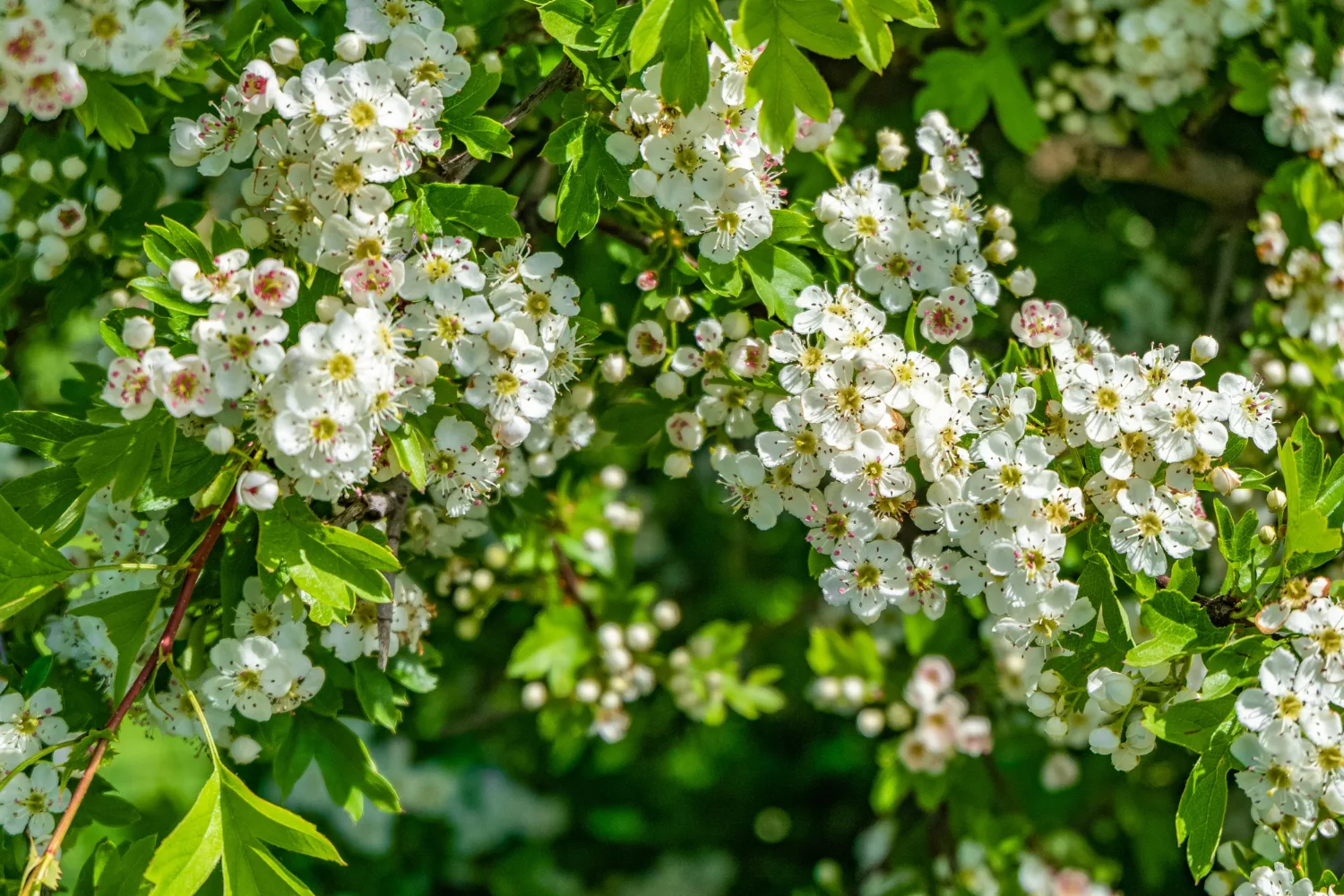
One of the most common reasons for poor apple yield is incorrect pollination. Even if the tree blooms abundantly, this does not guarantee fruit.
Most apple varieties are partially or fully dependent on another variety flowering at the same time. This means a well-planned orchard always includes at least two compatible varieties.
- check whether the variety is self-fertile;
- ensure at least one pollinator nearby;
- blooming period overlap is critical;
- bees are essential for successful pollination;
Watering and development
Apple trees do not like extremes. They do not perform well under prolonged drought or constant waterlogging.
In the first years, water management is especially important because the root system is still forming. Later, the tree becomes more resilient but still responds to drought with smaller fruits and weaker growth.
- deep watering, not surface watering;
- regular watering during early years;
- mulching to retain moisture;
- avoid standing water around roots;
Apple diseases
Apple trees are relatively resilient, but under improper conditions they can be affected by serious diseases.
| Disease | Description | Effects |
|---|---|---|
| Apple scab | Fungal disease affecting leaves and fruits | fruit deformation and loss |
| Powdery mildew | white coating on leaves and shoots | reduced growth |
| Gray rot | affects fruits in humid conditions | fruit decay |
Pruning and training
Pruning is a key tool for controlling growth and yield in apple trees. Without proper pruning, the crown quickly becomes dense, diseases increase and fruit size decreases.
The goal is not just to “cut”, but to create a structure that allows light to penetrate the canopy.
More techniques can be found in Fruit Tree Pruning for Beginners.
Conclusion
The apple tree is one of the most rewarding yet underestimated trees in the home garden. It can produce stable yields for many years, but only if the right decisions are made from the start.
The most important thing is not simply to plant an apple tree, but to understand what we expect from it in five, ten or fifteen years.
Then the apple tree stops being just a tree and becomes part of the garden.
Related Topics on Biogardn
This article serves as the foundation of our orchard section. From here, you can continue to more specific topics:
- Fruit Orchard: How to Choose, Plant and Maintain Fruit Trees
- When and How to Plant Fruit Trees
- Pruning Fruit Trees for Beginners
- Fruit Tree Spraying Calendar
- Apricot Tree: Care and Diseases
- Peach Tree: Planting and Leaf Curl
Sources and Further Reading
- Fruit Growing Institute – Plovdiv
- Fruit Nursery of the Fruit Growing Institute – Plovdiv
- Agricultural University – Plovdiv
- Department of Viticulture and Pomology – Agricultural University – Plovdiv
- Educational and technical materials on fruit growing used in agronomic practice.