Potassium soap and neem-based products are among the most popular lower-impact options used against certain small garden pests.
But they are not the same thing, they do not work in the same way, and neither is a universal solution for every type of leaf damage.
The best results come from correct diagnosis, early detection, good coverage and following the label of the specific product.
Potassium soap and neem are not a magic combination. They are tools that work best when they are chosen for the right problem.
What Is Potassium Soap?
In plant protection, “potassium soap” usually refers to soaps made from potassium salts of fatty acids.
When a product is intended for pest control, its action is mainly contact-based.
This means the spray needs to actually reach the pest. It does not move systemically through the plant.
Products of this type are commonly used against certain soft-bodied pests, such as aphids, whiteflies and similar pests, when the label permits that use.
Household soap, cleaning products and a labeled insecticidal soap are not automatically interchangeable. Use a product that is clearly intended for application to plants.
What Are Neem-Based Products?
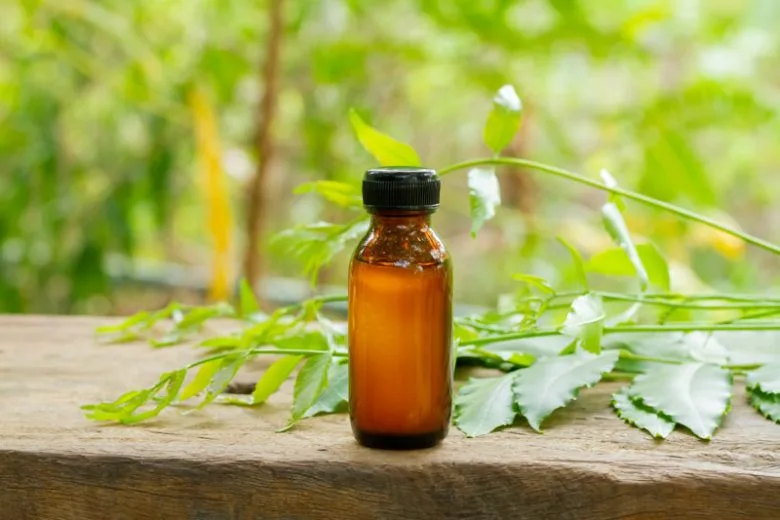
Neem comes from the tree Azadirachta indica.
But in plant protection, it is important to distinguish between different types of neem products.
Neem oil, purified azadirachtin products and different commercial formulations are not identical.
Azadirachtin can affect feeding, development and the life cycle of certain pests. The actual effect, however, depends on the formulation, concentration, target pest and labeled use.
“Neem” is not a precise enough instruction by itself. Always check what the product contains and what it is intended to control.
Potassium Soap vs. Neem: The Main Difference
Potassium soap and azadirachtin-based products may sometimes be used against some of the same pests, but their modes of action are different.
| Product type | Main action | What matters most |
|---|---|---|
| Insecticidal potassium soap | Mainly contact activity against certain soft-bodied pests. | Good coverage and direct contact with the pest. |
| Azadirachtin product | May affect feeding, development or reproduction of certain pests. | The specific formulation, target pest and labeled use. |
| Neem oil | Action depends on composition and formulation. | It should not automatically be treated as equivalent to a product containing a defined amount of azadirachtin. |
Which Pests May They Help Control?
They generally have the best chance of working when the pest is detected early, the population is still small and colonies are accessible to treatment.
Spider mites require more caution. They are not insects, and not every product used against insect pests will control mites.
If the label of the specific product does not list mites, do not rely on it as the main treatment for a mite infestation.
Good Coverage Is Critical
With contact products, it is not enough for the plant simply to look wet.
The spray needs to reach the places where the pest is actually present.
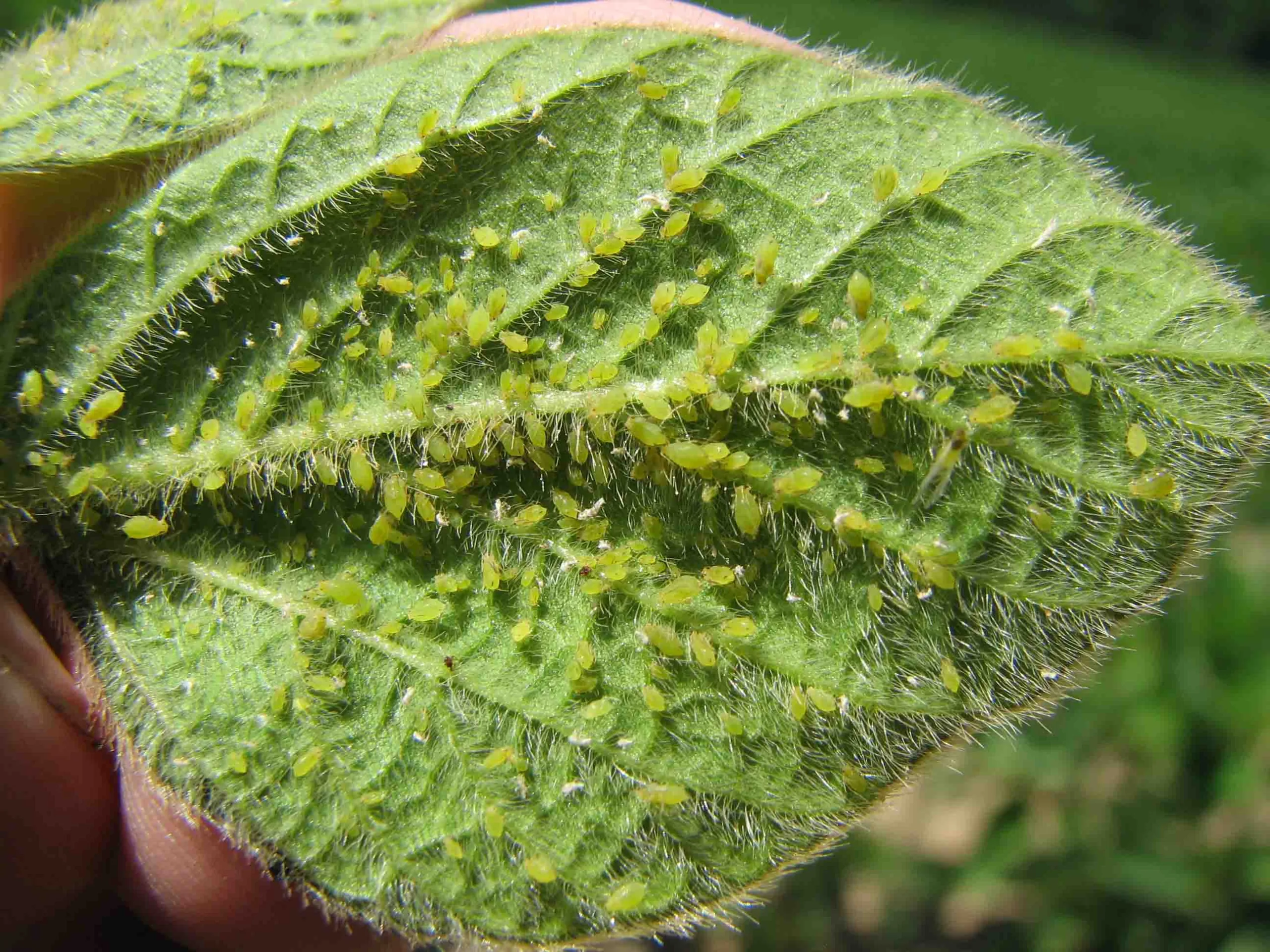
With aphids, whiteflies and many other small pests, this often means the undersides of leaves, young shoot tips and sheltered parts of the plant.
Follow the application instructions on the label. Excessive spray volume may increase the risk of plant injury without improving pest control.
When and Under What Conditions Should You Spray?
There is no universal time of day that applies to every product.
Cooler parts of the day are often preferable to extreme heat, but the specific label remains the main guide.
- check temperature restrictions;
- avoid treating stressed plants if the label warns against it;
- avoid strong wind;
- check the rain forecast;
- pay attention to restrictions during flowering and when pollinators are active;
- repeat treatment only according to product directions.
With contact products, good application technique can matter just as much as the choice of product.
Can Potassium Soap and Neem Be Mixed?
Homemade recipes often combine potassium soap and neem in the same sprayer.
This should not be treated as a universally safe combination.
Different products can contain different formulations, surfactants and concentrations.
Mixing them may change the behavior of the solution or increase the risk of injury to sensitive foliage.
If the labels do not provide clear compatibility information, it is safer not to combine the products using a homemade recipe.
Not All Plants React the Same Way
Soaps, oils and plant extracts can cause phytotoxicity on sensitive plants or under unsuitable conditions.
Risk may be higher with young seedlings, stressed plants, strong sunlight, high temperatures or an overly concentrated solution.
If the label recommends a test application, treat a small area and observe the plant's response before spraying the entire plant.
What to Do About Aphids
With a small colony, the first step may simply be a strong stream of water, provided the plant is sturdy enough.
Also check for lady beetles, lacewings or hoverfly larvae, which may already be reducing the aphid population.
| Situation | First response | Next step |
|---|---|---|
| Small colony | Wash off aphids, remove them mechanically and check for beneficial predators. | Use a labeled insecticidal soap if needed. |
| Curled leaves | Inspect inside the curled foliage and underneath the leaves. | A contact product will work only if it reaches the colony. |
| Heavy honeydew and ants | Reduce ant access and lower the aphid population. | Monitor whether the colony continues to increase. |
What to Do About Whiteflies
Whiteflies are often found on the undersides of leaves.
When a plant is disturbed, adults may fly up like a small white cloud, while many immature stages remain attached to the leaves.
This is why a single spray aimed at flying adults rarely solves the entire problem.
Yellow sticky traps can be useful for monitoring and for catching some flying adults, but they should not be considered a complete control method during a heavy infestation.
What to Do About Spider Mites
With spider mites, first confirm the diagnosis.
Typical signs can include fine pale stippling, bronzing and, in heavier infestations, delicate webbing.
Inspect the undersides of leaves with a hand lens.
If mites are confirmed, use only a product that is actually labeled for that pest on the specific crop.
A product that works against aphids or whiteflies will not necessarily control mites.
When Potassium Soap and Neem Will Not Solve the Problem
These products can be useful against certain pests, but they cannot correct every symptom.
They will not solve:
- nutrient deficiencies;
- waterlogged or oxygen-starved roots;
- viral diseases;
- advanced fungal disease requiring a different approach;
- heat, cold or chemical injury.
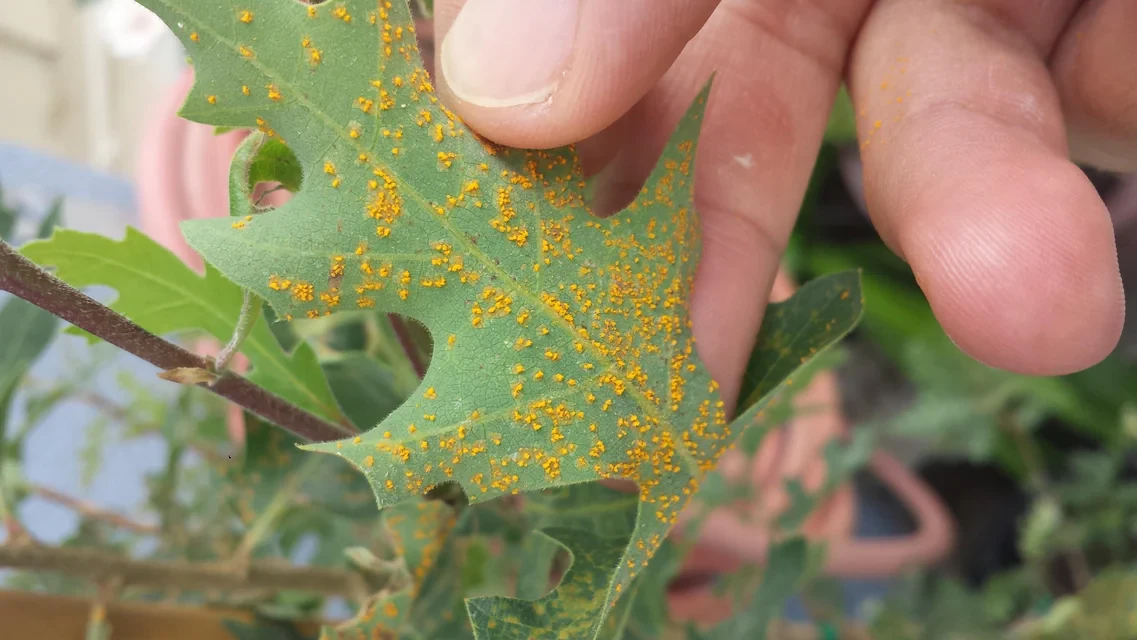
Before spraying, first make sure you are actually dealing with a pest, rather than a symptom that only resembles pest damage.
How to Protect Beneficial Insects
“Organic” does not automatically mean harmless to every insect.
Contact products can also affect beneficial organisms if they are sprayed directly.
Extra care is needed around flowering plants visited by bees, hoverflies and other pollinators.
Check the specific label restrictions and avoid treatment when there is no real need.
Common Mistakes With Potassium Soap and Neem
Potassium soap and neem-based products can be useful tools against certain garden pests.
Potassium soap acts mainly through direct contact, while different neem-based products may have different compositions and modes of action.
Do not use them as a universal recipe, and do not automatically mix them together. Check the specific product, target pest, crop, concentration and label restrictions.
With early detection, good coverage and accurate diagnosis, they can be a valuable part of lower-impact plant protection.