Leonardite and Rock Dust: Differences, Uses and Real Benefits
Leonardite and rock dust are often mentioned in the same conversation — improving the soil in a natural way. And this is exactly where the confusion begins. Both can be useful in the garden, both are used as soil improvers, and both sound “natural” enough to appear in organic gardening discussions. But they are not the same thing.
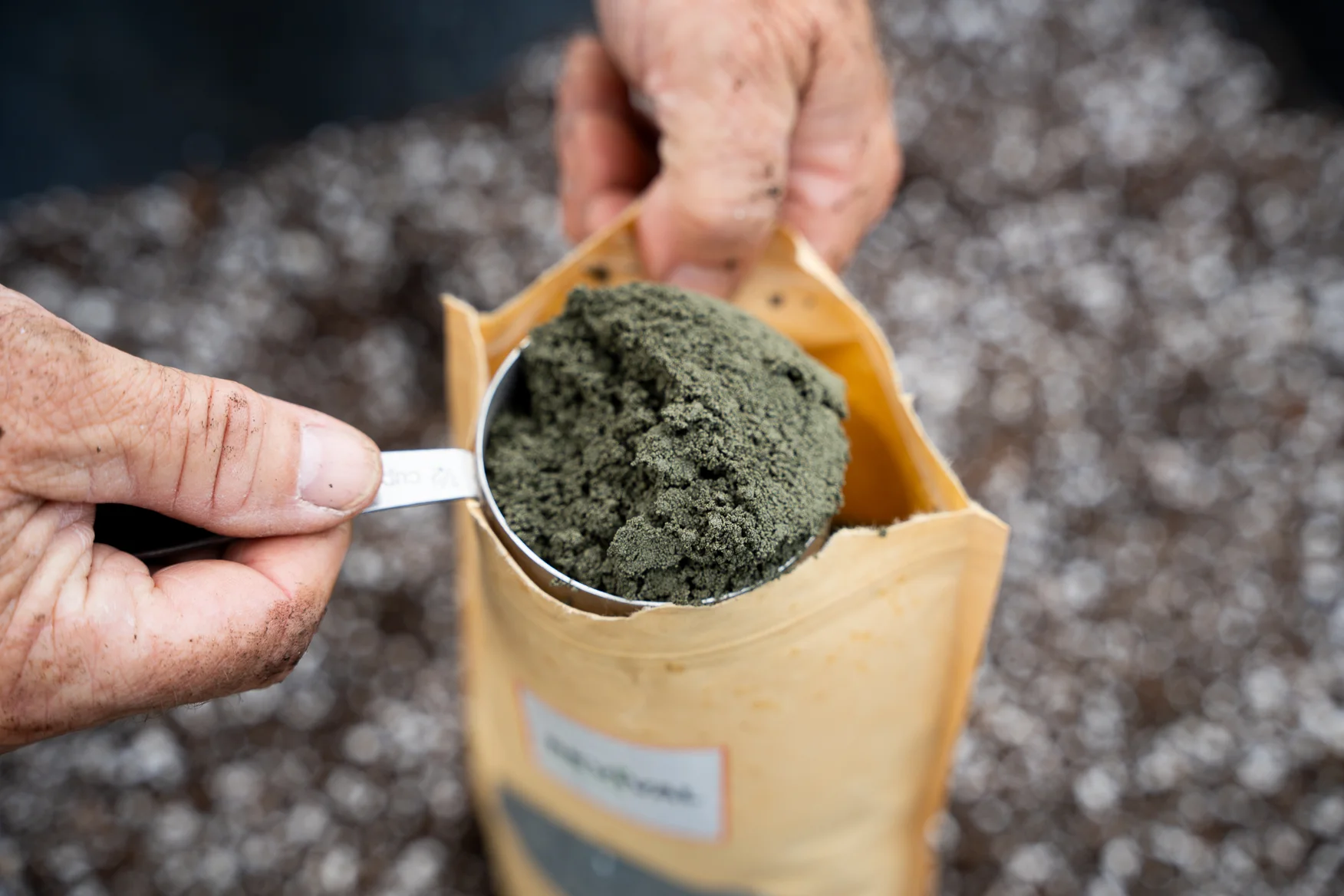
Leonardite is an organic-mineral material rich in humic and fulvic acids. It works mainly on the soil environment, nutrient uptake, root activity and the overall condition of the plants. Rock dust, on the other hand, is a finely ground mineral material — most often from basalt, volcanic rock, granite or other rock sources. It is used to add minerals and trace elements and to improve the soil in the long term.
Simply put: leonardite is more connected with humus and the chemical-biological activity of the soil, while rock dust is connected with its mineral composition. Both are interesting, but if we use them as interchangeable products, we lose the point.
“Leonardite feeds the soil environment. Rock dust brings back the mineral memory of the soil.”
What is leonardite
Leonardite is a naturally oxidized form of lignite deposits, rich in humic substances. In gardening, it is used mainly as a source of humic and fulvic acids. These are organic compounds that influence soil structure, nutrient uptake and root activity.
It is important to understand that leonardite is not a regular fertilizer in the sense of an NPK product. It is not used mainly to add large amounts of nitrogen, phosphorus or potassium directly. Rather, it supports the way plants absorb the nutrients that are already present in the soil or have been added through fertilization.
In practice, this means that leonardite can be useful for tired soils, soils poor in organic matter, when planting new plants, after transplanting stress and as part of a program for improving soil fertility.
What is rock dust
Rock dust is finely ground rock. Depending on its origin, it may contain different minerals and trace elements — silicon, magnesium, calcium, iron, manganese, zinc and other elements in small quantities. Most often, people talk about basalt dust, volcanic rock dust or another type of mineral powder.
It does not act quickly like a soluble fertilizer. Rock dust is a slower, long-term solution. Some of the minerals gradually become available through soil moisture, organic acids, microorganisms and weathering processes. That is why we should not expect to add rock dust today and see the plants looking like an advertisement for a miracle product three days later.
Its benefit lies in building a mineral base and improving soil diversity. It is especially interesting in gardens that have been fertilized one-sidedly for a long time or in soils poor in trace elements.
“Rock dust is not fast food for plants. It is a slow mineral investment in the soil.”
The main difference between leonardite and rock dust
The biggest difference is in the mechanism of action. Leonardite influences soil organic activity and nutrient uptake through humic substances. Rock dust adds a mineral matrix and trace elements that are released gradually.
| Feature | Leonardite | Rock dust |
|---|---|---|
| Origin | Oxidized lignite, rich in humic substances | Finely ground rock — basalt, volcanic rock, granite and others |
| Main role | Supports nutrient uptake and soil activity | Adds minerals and trace elements in the long term |
| Speed of action | More noticeable effect in stress and feeding, but not instant | Slow and cumulative action |
| Suitable for | Poor, tired, weakly active soils | Soils that need mineral enrichment and trace elements |
| Main mistake | Treating it as a complete fertilizer | Expecting a fast effect like from a soluble fertilizer |
How leonardite helps plants
The humic substances in leonardite can improve the cation exchange capacity of the soil — in other words, its ability to hold and release nutrients. This is especially important in sandy soils that easily lose nutrients, and in poor soils where organic matter is low.
Fulvic acids are more soluble and more mobile. They can support the transport of nutrients and the interaction between roots and the soil environment. That is why products with humic and fulvic acids are often used when transplanting, during stress, when planting new fruit trees, ornamental plants and vegetables.
Leonardite is especially useful when we already have basic soil care in place: compost, organic matter, proper watering and sensible fertilization. On its own, it cannot completely repair poor soil that has been exhausted for years, but it can be a very good helper in the recovery process.
Practical conclusion
Leonardite is not a substitute for compost, but it can work very well together with it. Compost adds organic matter and life, while leonardite supports humic activity and nutrient uptake.
How rock dust helps the soil
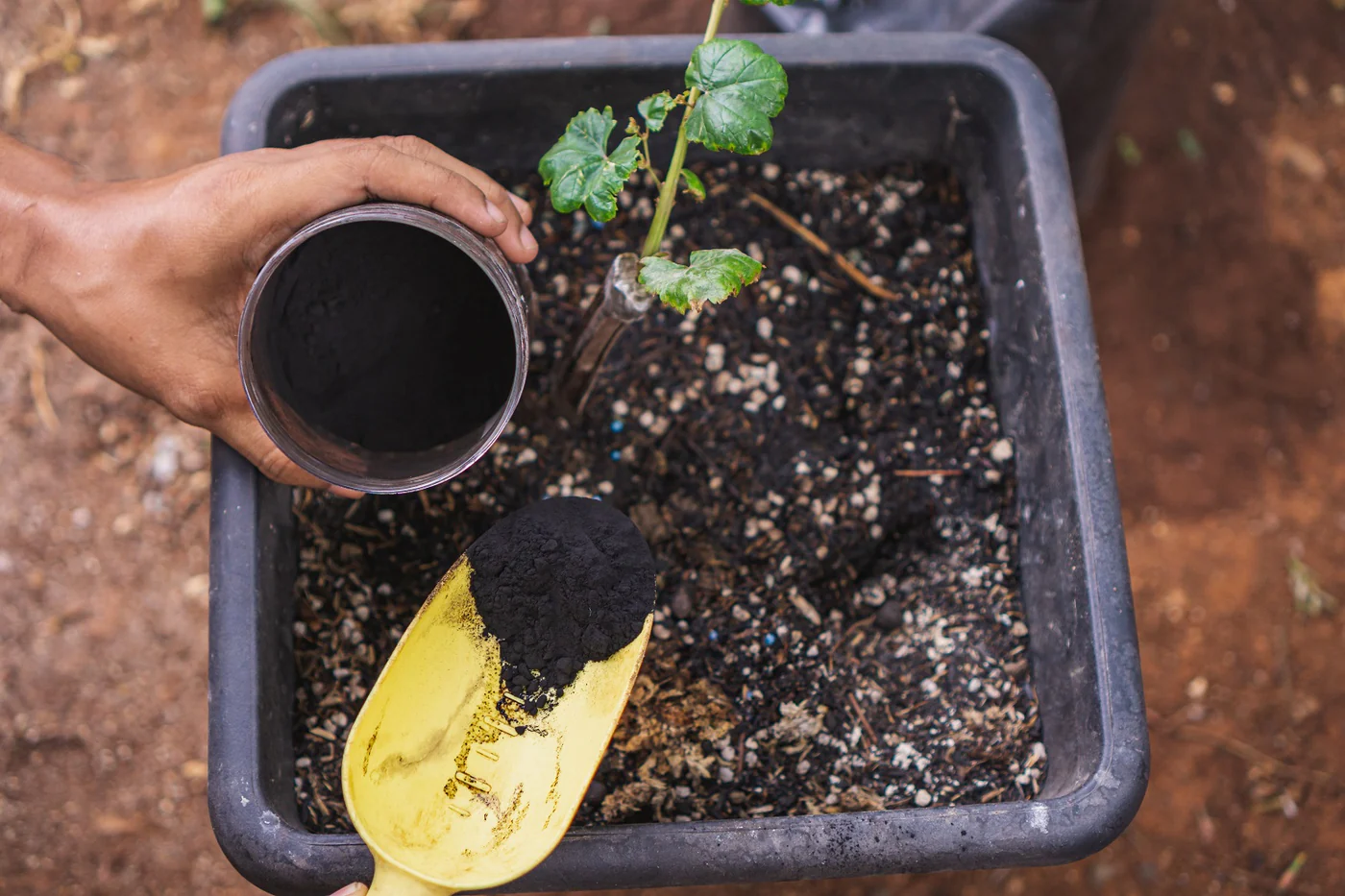
Rock dust is used to remineralize the soil. In natural ecosystems, rocks gradually weather and release minerals. In the garden, this process can be supported by adding finely ground rock material. The finer the dust, the larger the surface area for interaction with the soil.
It can be useful in composting because it mixes with organic matter and microorganisms help gradually release the minerals. Added to compost, rock dust can enrich the final material and reduce the loss of some nutrients.
In the vegetable and ornamental garden, rock dust is usually used as a soil amendment, not as a main fertilizer. It will not replace compost, manure or balanced feeding, but it can contribute to a richer mineral environment.
“Rock dust is most useful when we think about the soil in years, not in days.”
When to use leonardite
Leonardite is suitable when we want to improve the overall nutrient environment, support the roots and increase the efficiency of fertilization. It is especially interesting in soils with low organic content, in plants after transplanting and in crops that show weak growth despite regular care.
- when planting new fruit trees, shrubs and ornamental plants;
- for vegetables during active growth;
- in poor, tired or heavily cultivated soils;
- after stress from transplanting, heat or temporary nutritional imbalance;
- together with compost, organic fertilizers or a balanced feeding program.
When to use rock dust
Rock dust is more suitable as a long-term mineral amendment. It makes sense in soils poor in trace elements, during composting, when creating new beds and in organic gardens where a richer mineral profile is desired.
- when preparing new vegetable beds;
- as an addition to the compost pile;
- in soils that have been fertilized one-sidedly for a long time;
- in organic gardens focused on long-term soil fertility;
- when mixed with organic matter for better gradual action.
Can they be used together
Yes, leonardite and rock dust can be used in one general soil improvement program because they work differently. Leonardite supports the humic part and nutrient uptake, while rock dust contributes to the mineral side. The best results come when they are combined with compost, mulching and a living soil environment.
But this does not mean they should be added without measure. As with all soil improvers, more is not always better. Excessive addition of any material can disturb the balance, especially in small beds, pots or soils with a specific pH.
| Goal | More suitable solution | Addition |
|---|---|---|
| Better nutrient uptake | Leonardite | Combines well with compost and organic fertilizers |
| Mineral enrichment of the soil | Rock dust | Works best in living soil with organic matter |
| Restoring a tired garden | Combination | Compost, mulch, crop rotation and gradual improvement |
| Quick correction of an acute deficiency | They are not the first choice | Accurate diagnosis and a suitable fertilizer are needed |
Common mistakes
The most common mistake is expecting too fast an effect. Leonardite can support plants in a relatively noticeable way, but it is still not a magic injection. Rock dust is even slower — it works within the soil system, not like a soluble fertilizer.
The second mistake is using them without understanding the soil. If the pH is unsuitable, if there is serious waterlogging, compaction or lack of organic matter, neither leonardite nor rock dust will solve the problem on its own.
- do not use them as a substitute for compost and organic matter;
- do not expect an instant effect on severely suffering plants;
- do not add large quantities without need;
- do not use them as treatment against diseases and pests;
- do not mix many amendments at once without a clear reason.
Warning before use
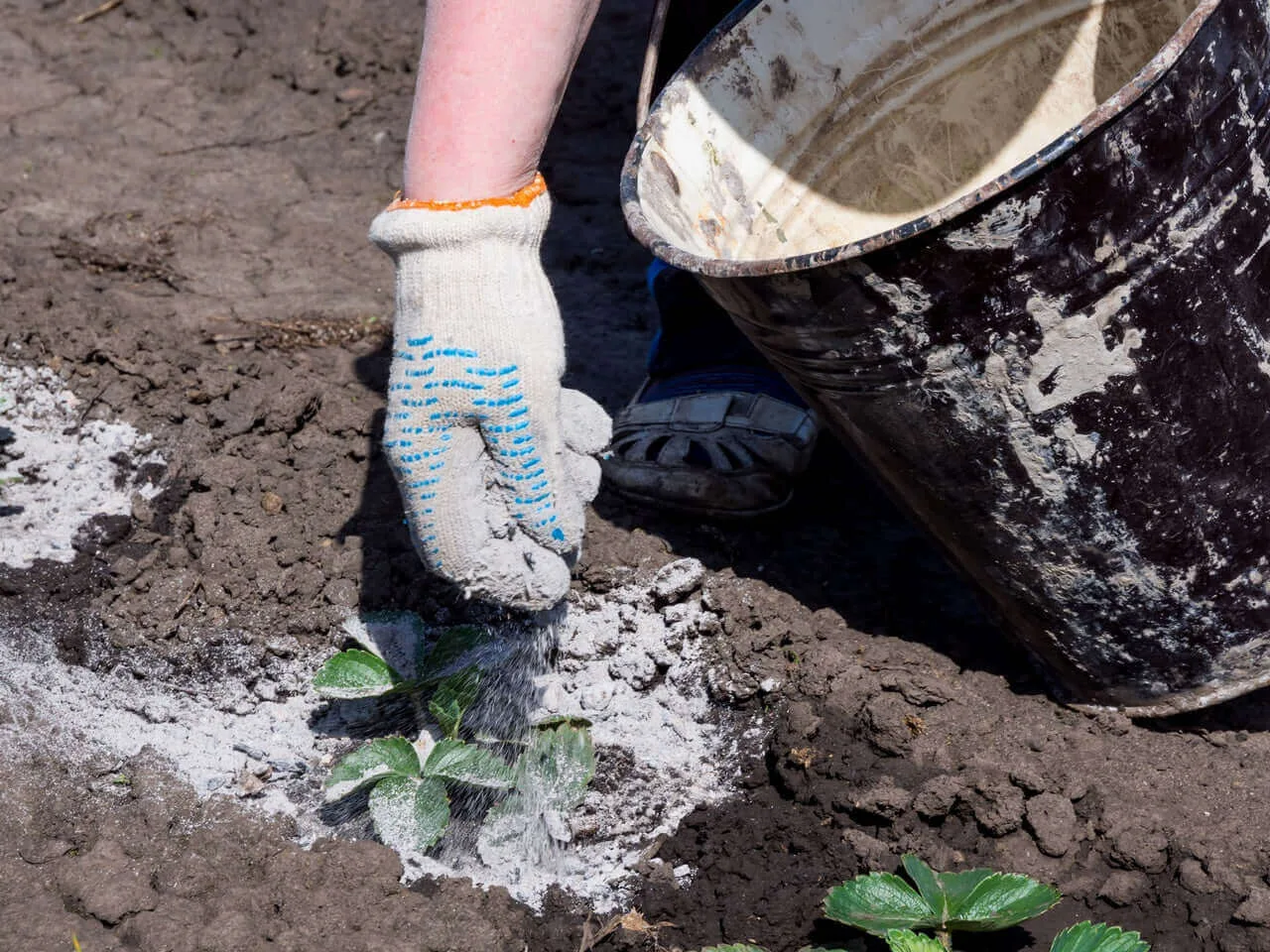
When using leonardite, humic products or rock dust, follow the manufacturer’s instructions. Doses may differ depending on the form of the product, the crop, the soil type and the method of application. If you suspect a nutritional deficiency, a pH problem or severely exhausted soil, it is best to do a soil test or seek advice from a specialist.
Conclusion
Leonardite and rock dust are useful but different tools for improving the soil. Leonardite works through humic substances and supports nutrient uptake, root activity and the soil environment. Rock dust adds a mineral base and trace elements that are released gradually.
Their best use is not as a “secret recipe”, but as part of overall care: compost, mulch, moderate fertilization, good structure, crop rotation and observation. Soil is not improved with one product. It is built — season after season.
Related articles from the organic plant garden series
- Organic Garden: Natural Solutions, Homemade Extracts and Smart Prevention
- Organic Plant Protection Products: What Really Works
- Potassium Soap and Neem: How to Use Them Against Pests
- Horsetail and Nettle Extract: Homemade Prevention for Healthier Plants
- Beneficial Insects in the Garden: The Best Allies Against Pests
- Lunar Calendar for the Garden: When to Sow, Plant, Prune and Harvest